Used as a filling for soft, steamed dumplings
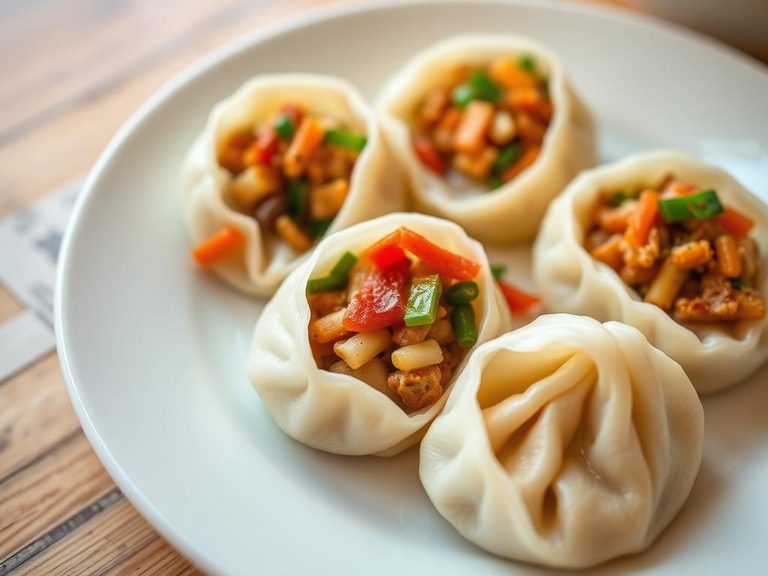
This refers to a classic Chinese filling for soft, steamed dumplings, most commonly known as 'jiu cai xian' (chive filling). It's a savory mixture typically made from finely chopped Chinese chives, scrambled eggs, and sometimes dried shrimp or glass noodles, seasoned with soy sauce, sesame oil, and ginger. This combination is a staple in Northern Chinese cuisine, especially for jiaozi (dumplings) and baozi (steamed buns).
🍽️ Nutrition at a glance
This filling is a balanced source of protein and carbohydrates, with moderate fat. It provides a good amount of dietary fiber, vitamin K from the chives, and protein from the eggs. A typical serving of the filling (without the wrapper) contains roughly 150-200 calories.
Nutrition breakdown
| Calories | 180 kcal |
| Protein | 12 g |
| Carbs | 10 g |
| Fat | 11 g |
| Fiber | 4 g |
| Sugar | 2 g |
| Sodium | 450 mg |
| Vitamin K | 120 mcg |
| Vitamin A | 300 RAE |
| Vitamin C | 15 mg |
| Iron | 2.5 mg |
| Calcium | 80 mg |
| Potassium | 250 mg |
| Phosphorus | 150 mg |
| Selenium | 15 mcg |
💡 What's interesting
Culturally, this filling is a symbol of good fortune and is especially popular during Chinese New Year celebrations. Nutritionally, the combination of eggs and chives creates a complete protein profile, and the use of chives offers a unique, pungent flavor that is both appetizing and digestive.
🍽️ Related dishes
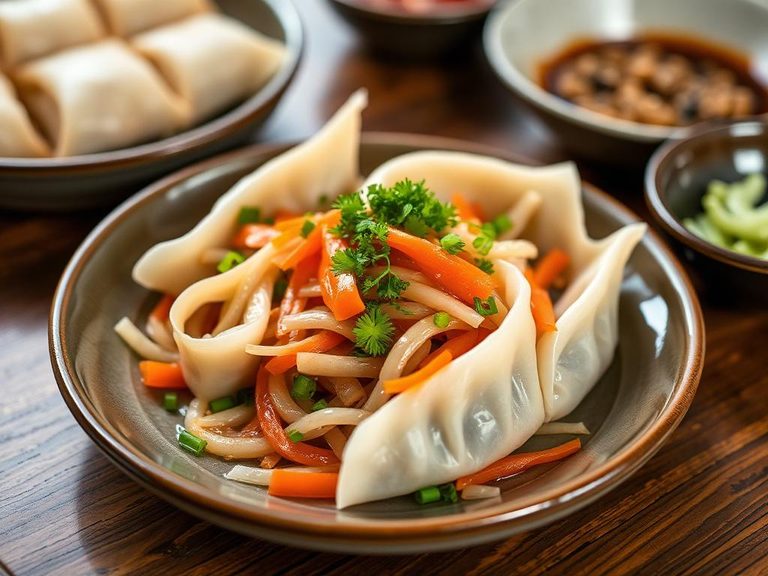 Used as a filling for dumplings or spring rolls
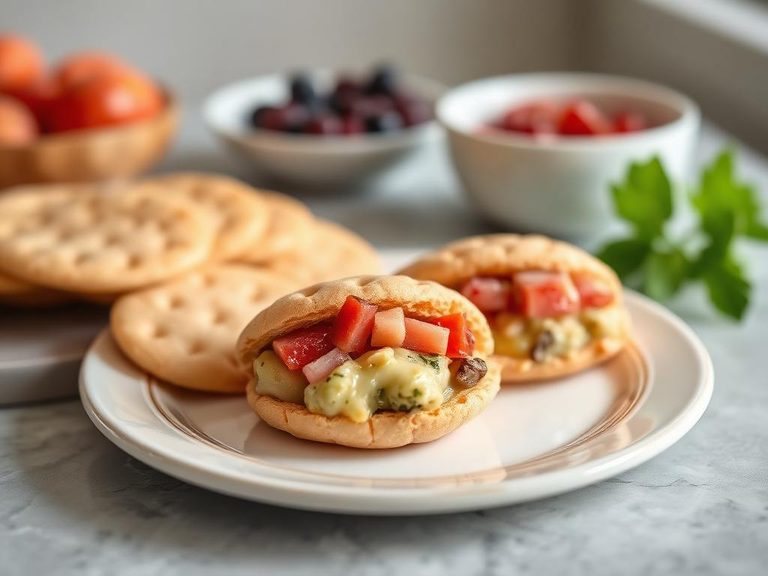 Used as a filling for soft teething wafers
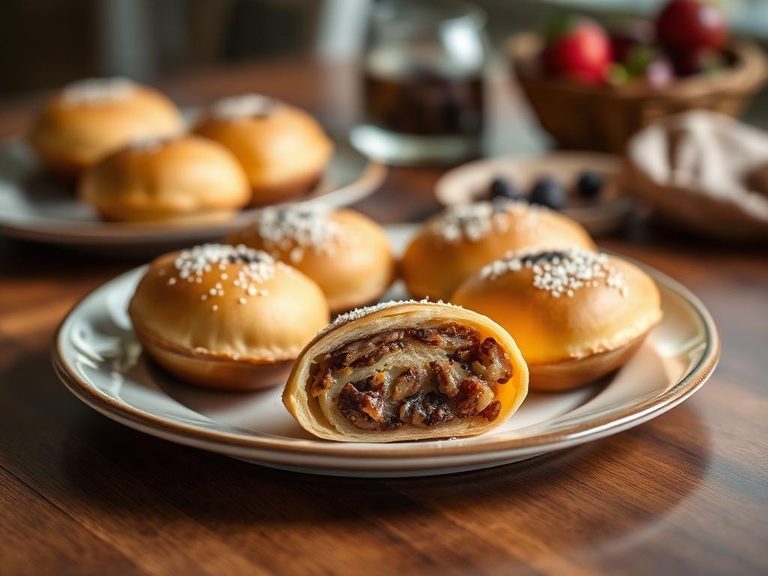 Used as a filling for soft, baked pastries.
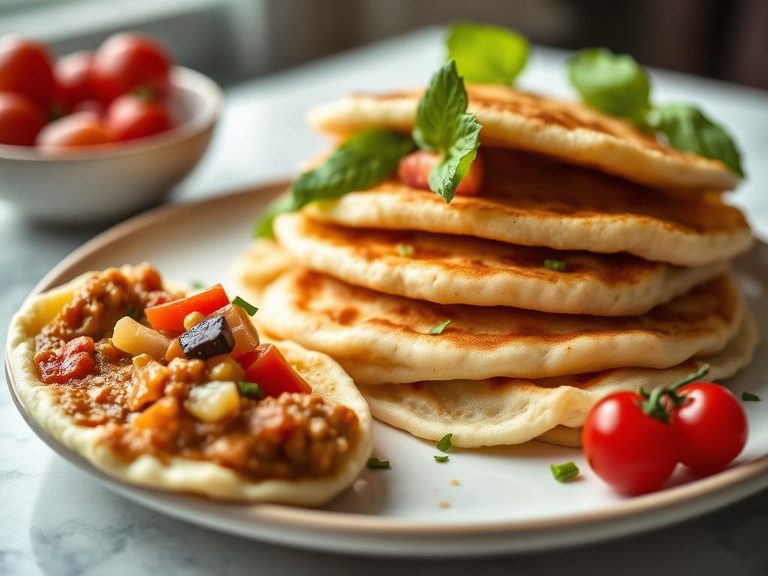 Used as a filling for soft baby pancakes
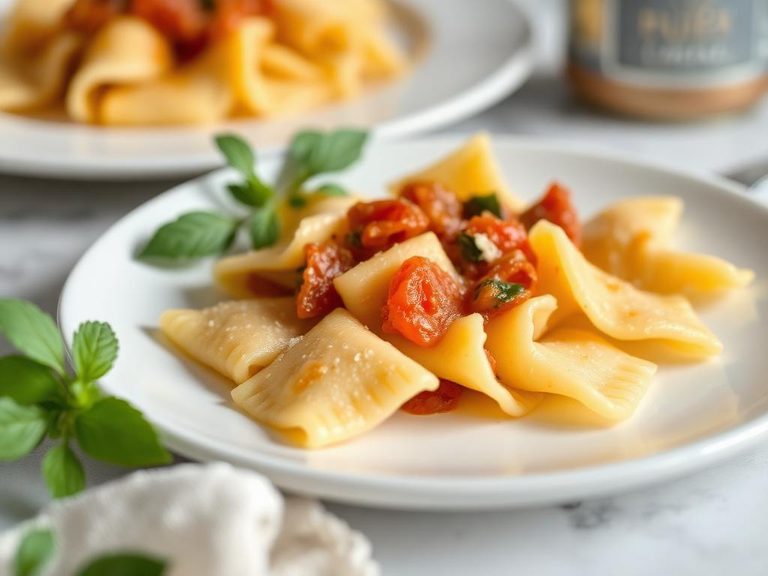 Used as a filling for small, soft pasta shapes
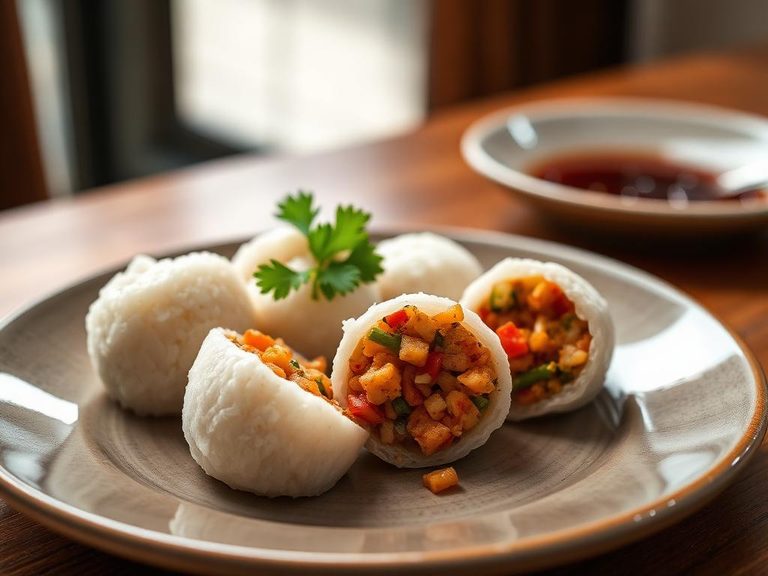 Used as a filling for soft rice balls
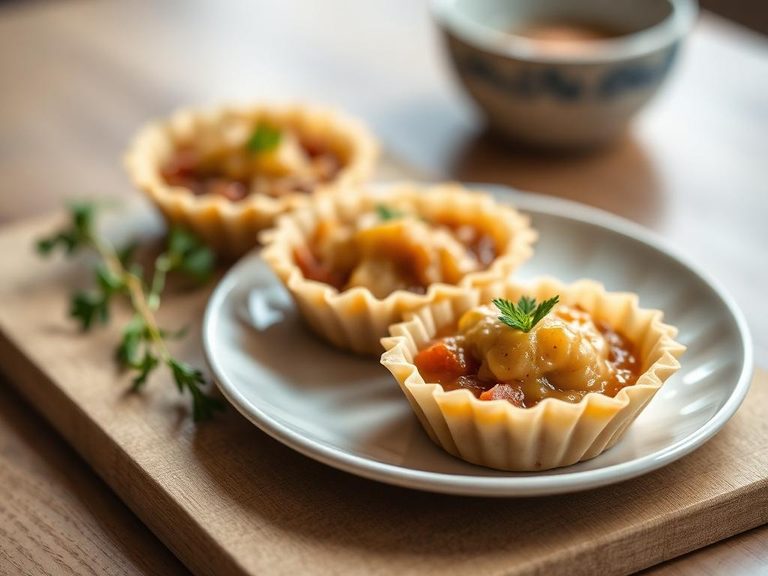 Filling for pastries like tarts or dumplings
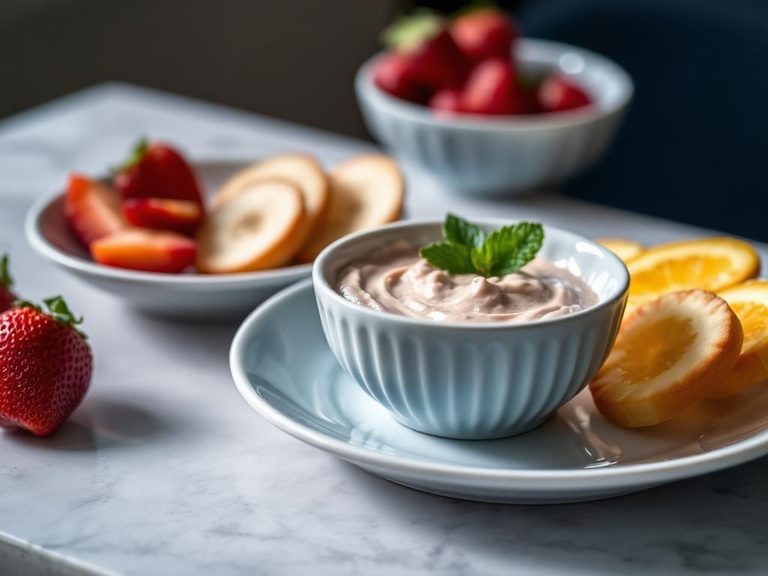 Used as a dip for soft fruits or biscuits