Used as a sauce for soft pasta shapes
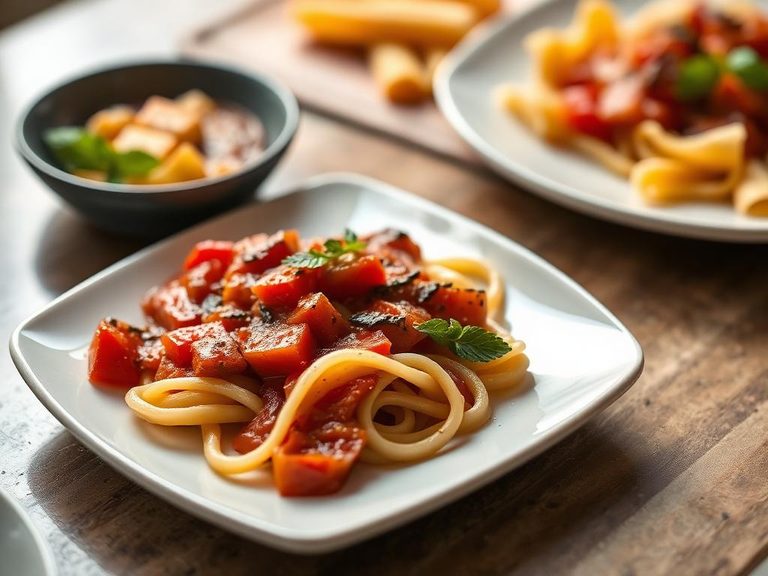
This is a rich, creamy sauce traditionally served with soft, stuffed pasta shapes like ravioli, tortellini, or agnolotti. It typically features a base of butter, cream, and Parmesan cheese, often enhanced with sage or nutmeg for depth. Originating from the Emilia-Romagna region of Italy, it's a classic example of Northern Italian cuisine that prioritizes simplicity and high-quality dairy.
🍽️ Nutrition at a glance
The sauce is high in fat and calories, primarily from butter and cream, with a moderate amount of protein from the cheese. A typical serving provides a good source of calcium and phosphorus, but is relatively low in fiber and vitamins, with a calorie count often ranging from 300 to 500 kcal per half-cup serving.
Nutrition breakdown
| Calories | 420 kcal |
| Protein | 8 g |
| Carbs | 3 g |
| Fat | 42 g |
| Fiber | 0 g |
| Sugar | 1 g |
| Sodium | 380 mg |
| Calcium | 220 mg |
| Phosphorus | 150 mg |
| Vitamin A | 450 IU |
| Vitamin D | 1.2 mcg |
| Potassium | 120 mg |
| Cholesterol | 130 mg |
| Vitamin B12 | 0.4 mcg |
| Selenium | 6 mcg |
Per 1/2 cup (120 g) · estimated, varies by recipe
💡 What's interesting
Culturally, this sauce embodies the Italian principle of 'cucina povera' (peasant cooking) by transforming a few humble, high-quality ingredients into a luxurious dish. Nutritionally, it's a dense source of energy and fat-soluble vitamins like Vitamin A, but is traditionally balanced by being served with nutrient-rich fillings like spinach or ricotta in the pasta.
🍽️ Related dishes
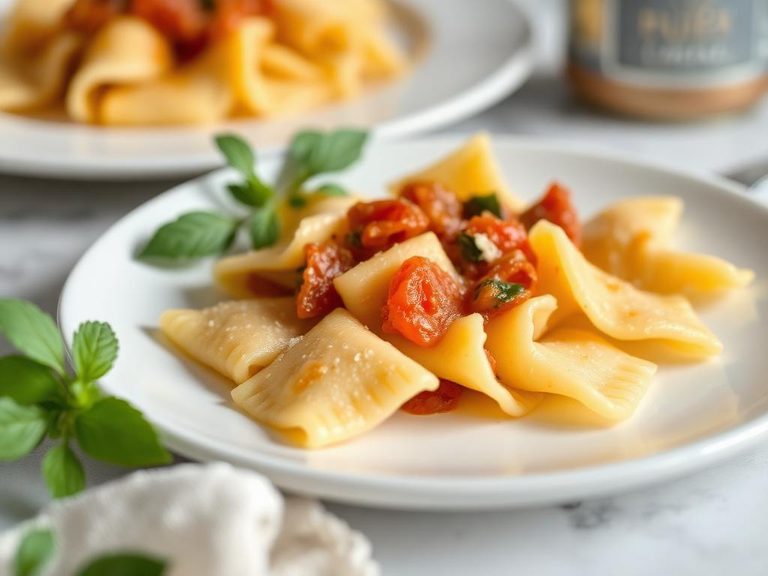 Used as a filling for small, soft pasta shapes
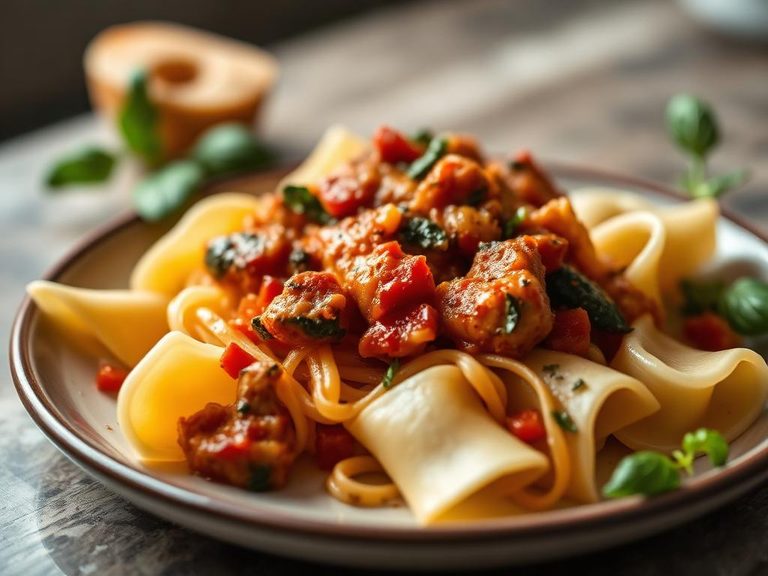 Stirred into soft pasta shapes
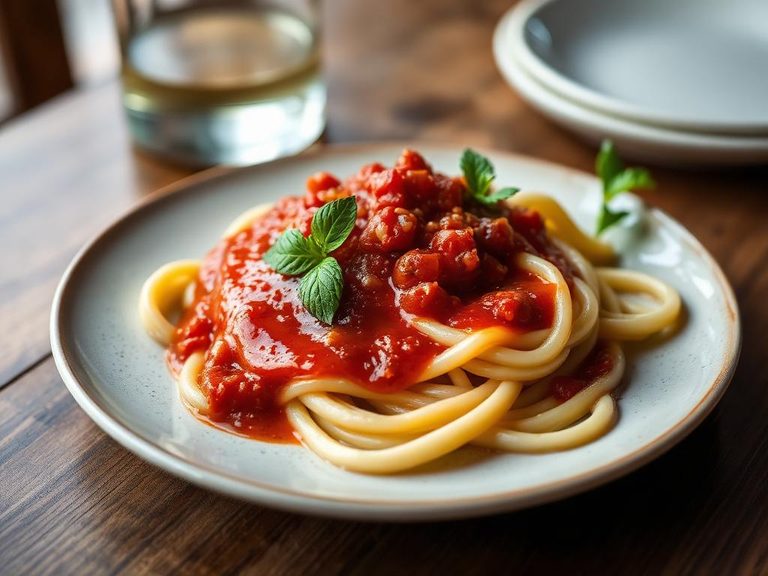 Used as a sauce for soft-cooked pasta
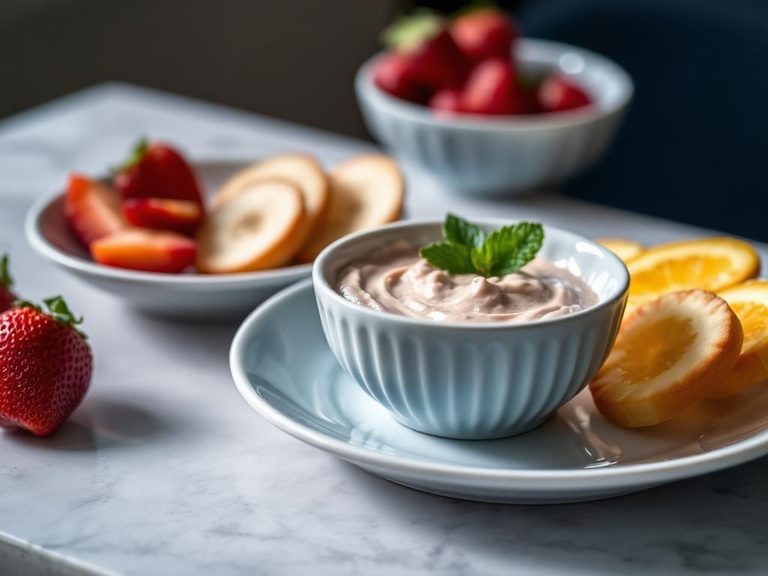 Used as a dip for soft fruits or biscuits
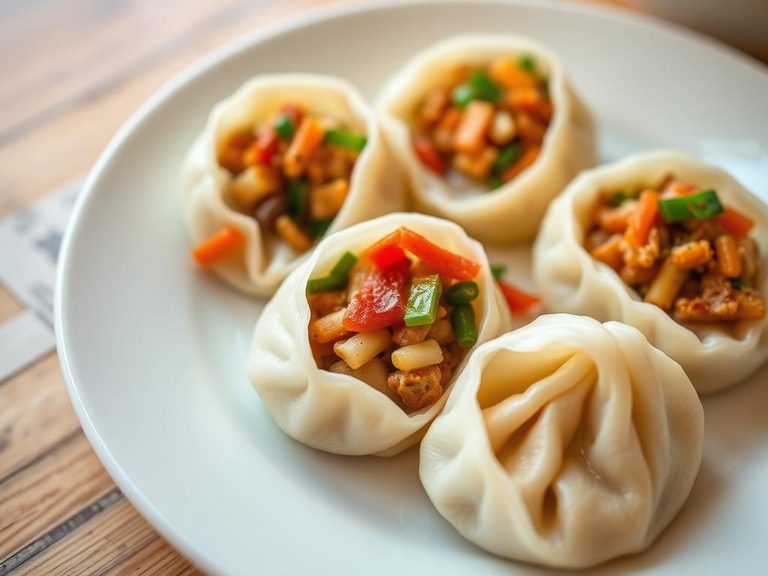 Used as a filling for soft, steamed dumplings
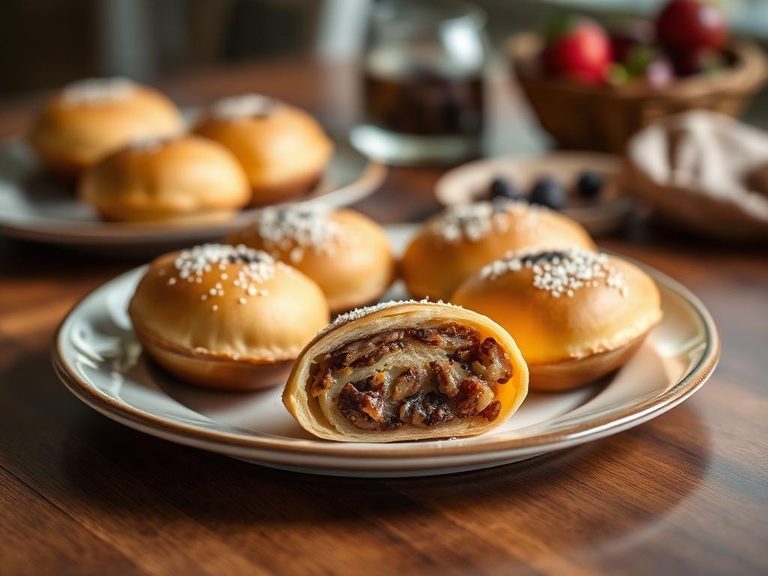 Used as a filling for soft, baked pastries.
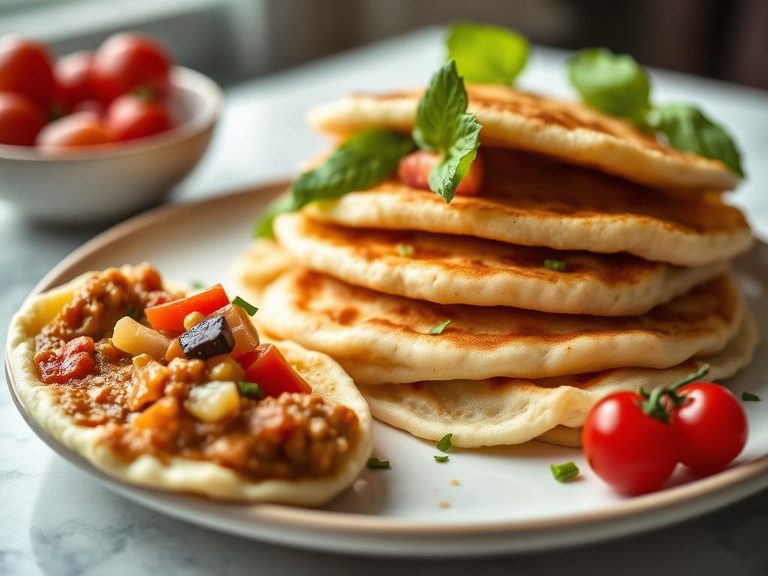 Used as a filling for soft baby pancakes
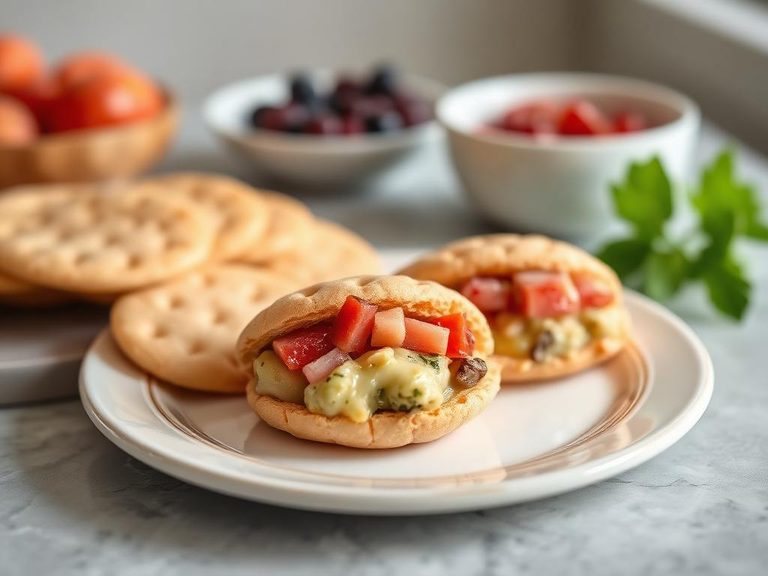 Used as a filling for soft teething wafers