Used as a sweet filling in small pastries

This refers to a sweet paste filling commonly used in small pastries, most famously red bean paste (anko) in East Asian cuisine. Made from boiled and sweetened azuki beans, it has a smooth or chunky texture and is a staple in treats like dorayaki, taiyaki, and mooncakes. It originates from China and is deeply embedded in Japanese, Korean, and other Asian culinary traditions.
🍽️ Nutrition at a glance
Red bean paste is high in carbohydrates, primarily from complex carbs and added sugar, with a moderate amount of plant-based protein and dietary fiber. A typical serving provides around 250-300 kcal, offering minerals like iron, magnesium, and potassium.
Nutrition breakdown
| Calories | 270 kcal |
| Protein | 8 g |
| Carbs | 55 g |
| Fat | 0.5 g |
| Fiber | 7 g |
| Sugar | 35 g |
| Sodium | 15 mg |
| Iron | 2.5 mg |
| Magnesium | 70 mg |
| Potassium | 450 mg |
| Phosphorus | 120 mg |
| Folate | 60 mcg |
| Zinc | 1.5 mg |
| Manganese | 0.8 mg |
| Thiamin (B1) | 0.15 mg |
Per 1/2 cup (130 g) · estimated, varies by recipe
💡 What's interesting
Culturally, red bean paste is considered an auspicious food in many Asian festivals and ceremonies, symbolizing good fortune and happiness. Nutritionally, despite its sweetness, azuki beans are one of the highest-fiber legumes, which can help moderate blood sugar spikes compared to other sugary fillings.
🍽️ Related dishes
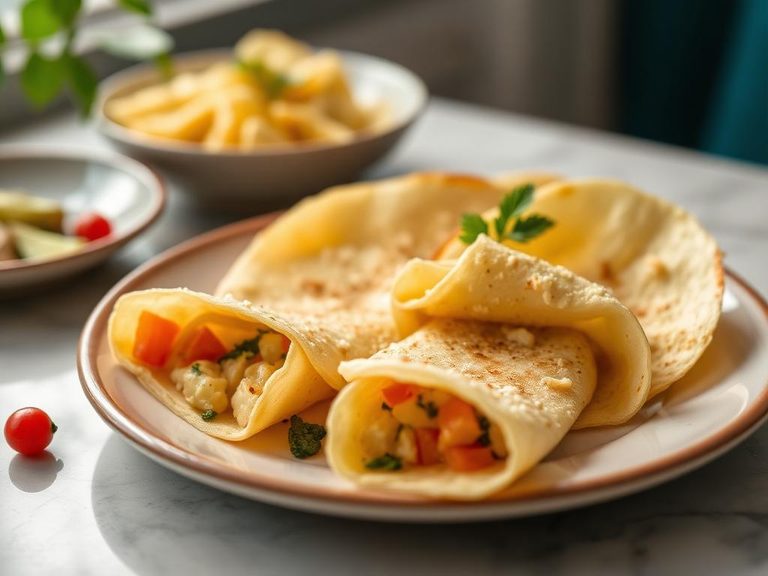 Used as a filling for small pancakes or crepes
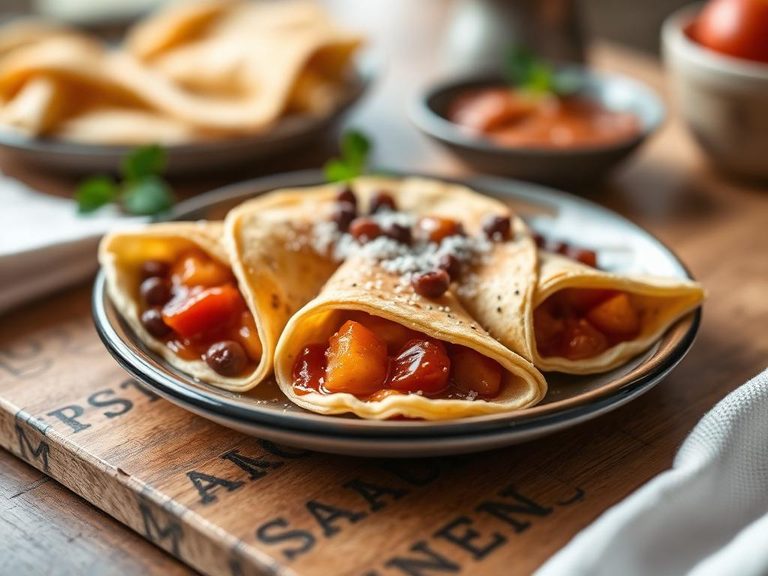 Used as a sweet filling in small pancakes or crepes
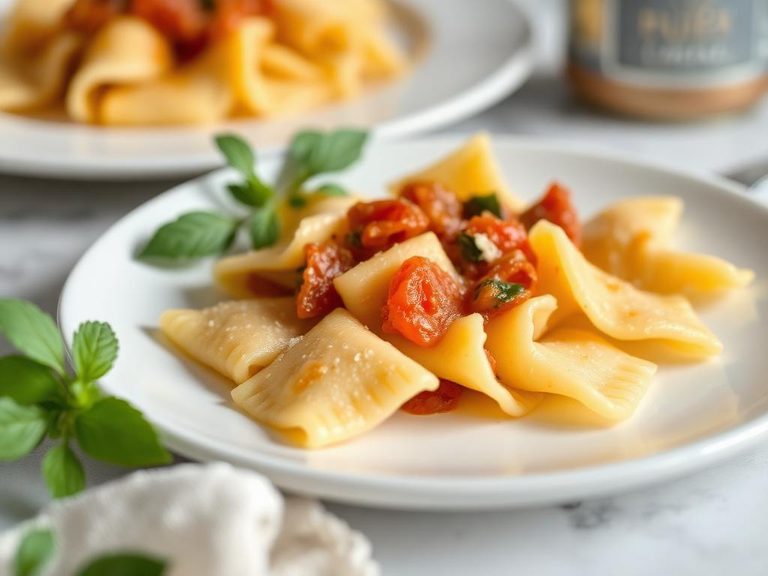 Used as a filling for small, soft pasta shapes
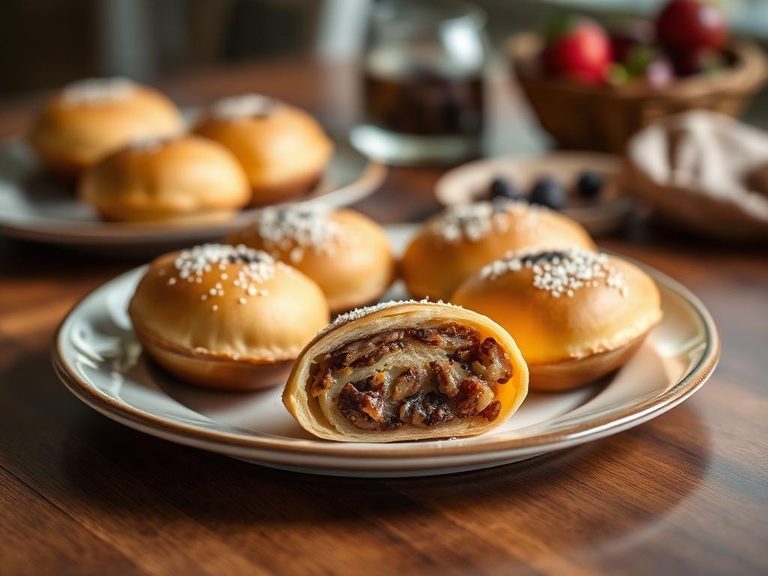 Used as a filling for soft, baked pastries.
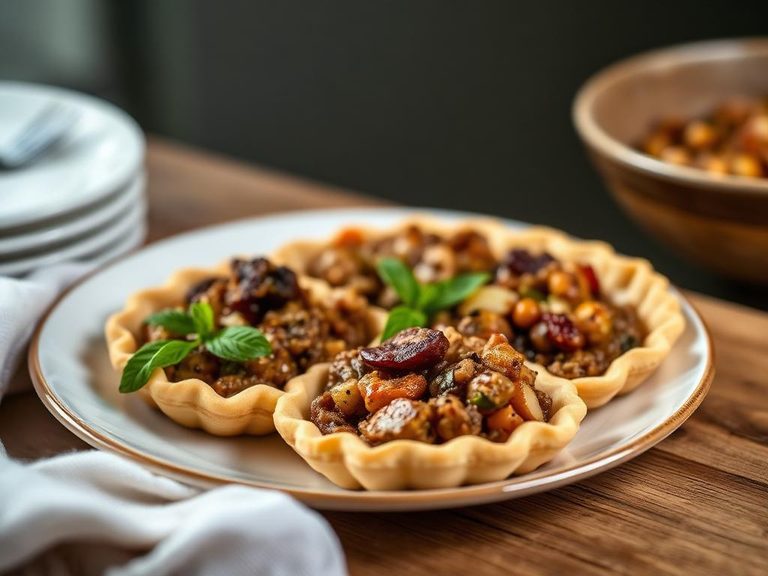 Used as a filling for savory pastries or pies
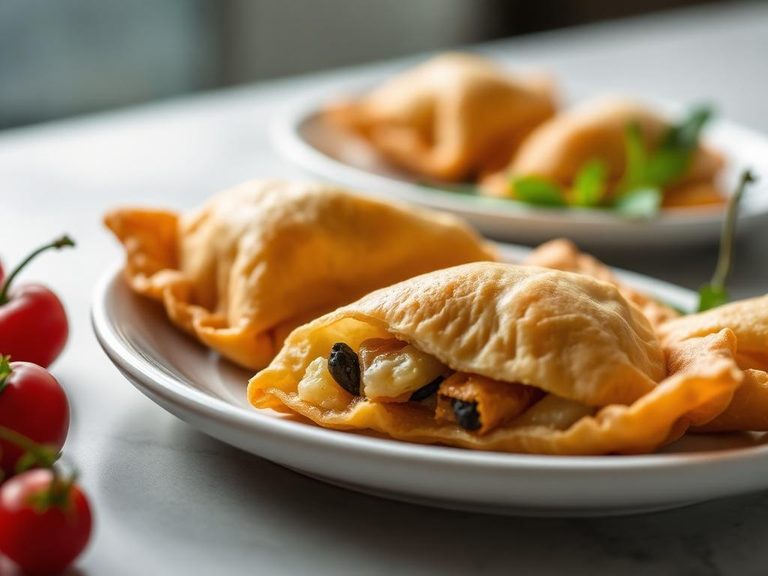 A filling for pastries or turnovers
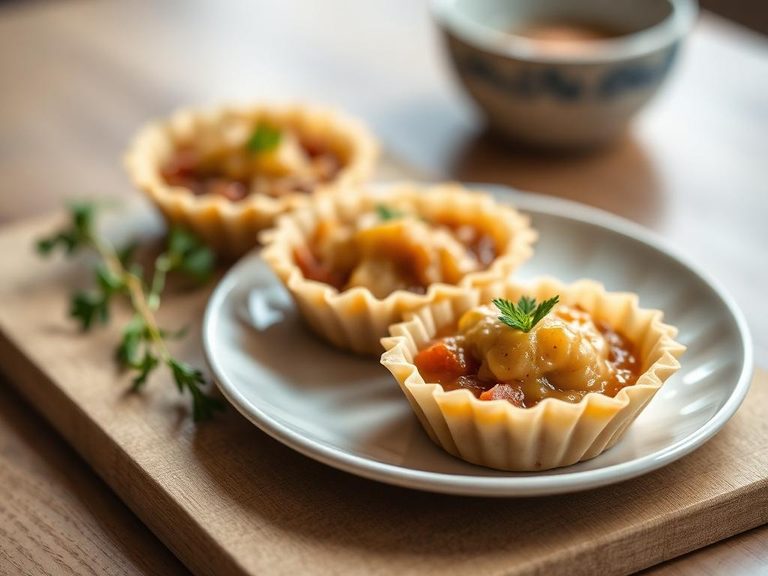 Filling for pastries like tarts or dumplings
 Filling for pastries and donuts