Mayonnaise, light
Common food
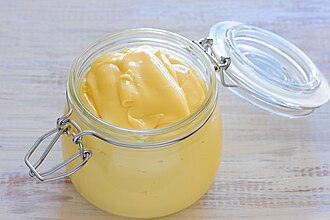
Photo: Wikipedia
Light mayonnaise is a creamy, tangy emulsion made from oil, egg yolk, and vinegar or lemon juice, with a reduced fat and calorie content compared to full-fat versions. It offers a smooth, rich texture with a mild, slightly acidic flavor that enhances a wide range of dishes. While lower in fat (22.22g per 100g) and calories (238 kcal), it still provides a significant source of dietary fat and some sugar (3.56g).
💚 Why it's loved
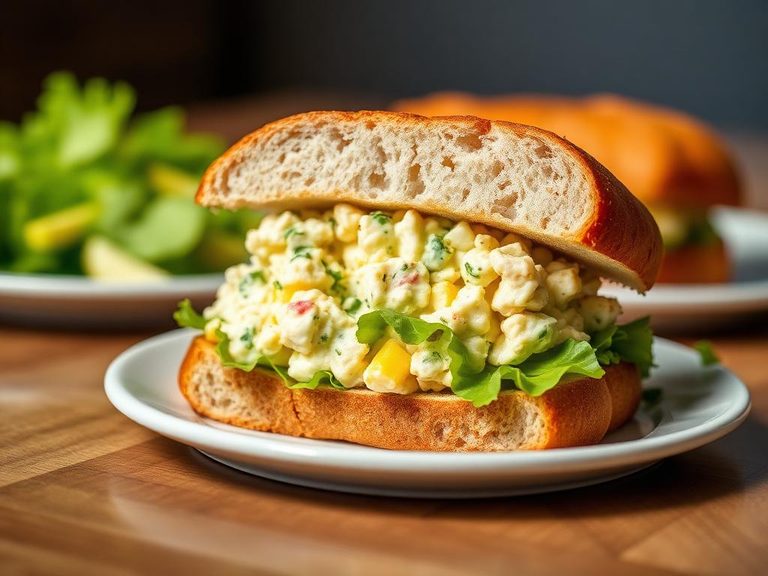
People love light mayonnaise for its ability to add creaminess and tang to sandwiches, salads, and dips without the heavy calorie load of full-fat versions. Its mild flavor and smooth texture make it a staple in many cuisines, from classic American sandwiches to Japanese salads.
⚠️ Watch-outs & how to enjoy it better
Light mayonnaise can be high in sodium and may contain added sugars, which can contribute to blood sugar spikes if consumed in excess. It is also a common allergen due to egg content, and some people may find its texture less satisfying than full-fat mayo. To counteract these, pair it with protein-rich foods like chicken or legumes, use it in moderation, and choose low-sodium varieties when possible.
Key benefits
- Lower in calories and fat than traditional mayonnaise
- Provides a creamy texture without full-fat richness
- Contains small amounts of protein and sugar for flavor balance
- Versatile as a base for dressings, dips, and spreads
- Can help reduce overall fat intake in recipes
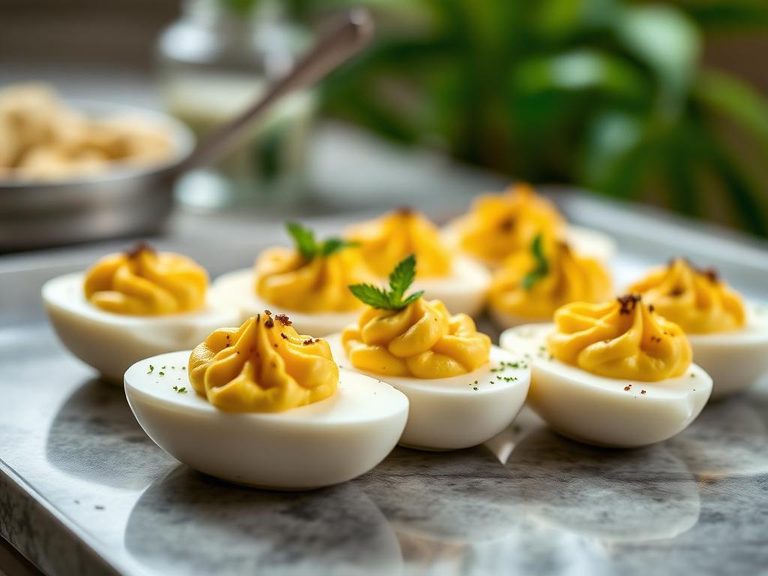
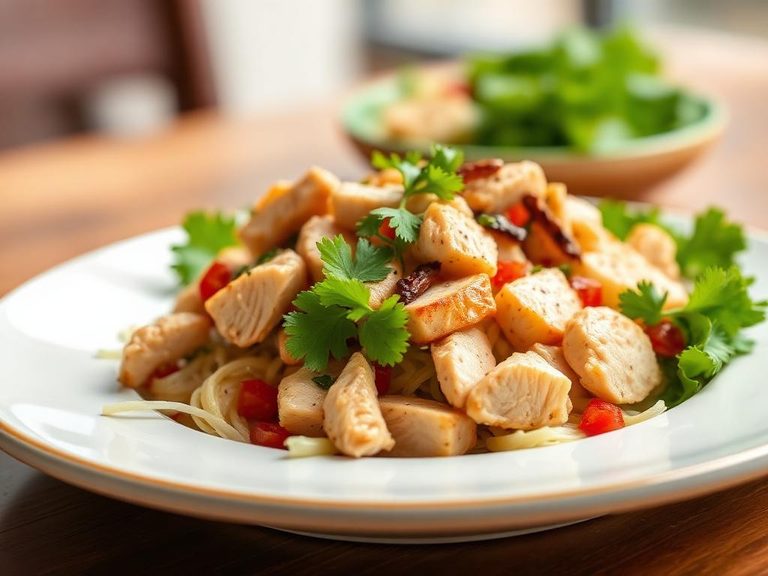
🍽️ Popular dishes
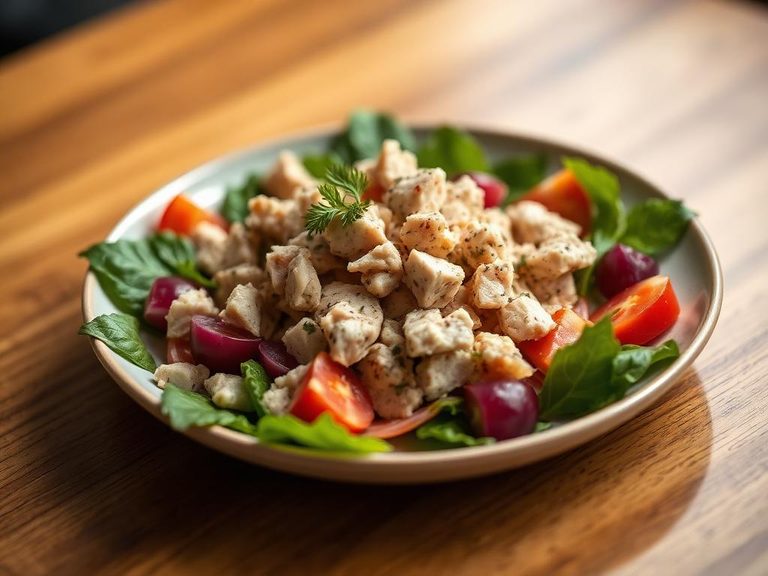
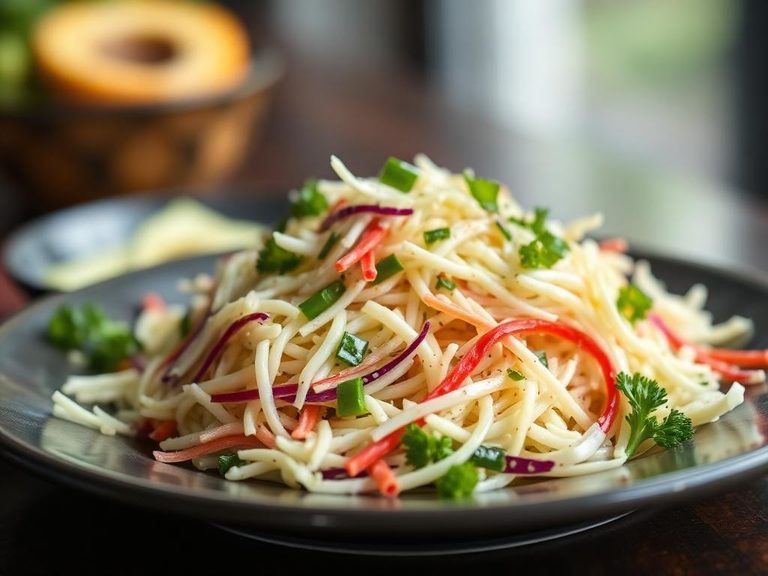
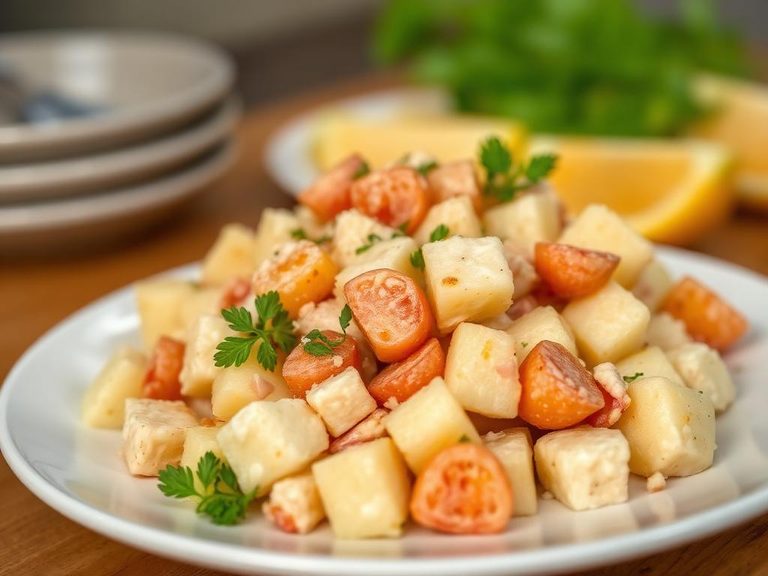
🌍 Where it's eaten
💡 Did you know?
Light mayonnaise often uses modified starches or thickeners to mimic the creamy texture of full-fat versions, making it a clever food engineering feat.
Full nutrition (scales with serving)
| Water | 66.1 g |
| Energy | 238 kcal |
| Protein | 0.37 g |
| Total lipid (fat) | 22.2 g |
| Carbohydrate, by difference | 9.2 g |
| Fiber, total dietary | 0.00 g |
| Total Sugars | 3.6 g |
| Calcium, Ca | 6.0 mg |
| Iron, Fe | 0.14 mg |
| Magnesium, Mg | 2.0 mg |
| Phosphorus, P | 15.0 mg |
| Potassium, K | 31.0 mg |
| Sodium, Na | 827 mg |
| Zinc, Zn | 0.07 mg |
| Copper, Cu | 0.02 mg |
| Selenium, Se | 2.6 ug |
| Vitamin C, total ascorbic acid | 0.00 mg |
| Thiamin | 0.01 mg |
| Riboflavin | 0.00 mg |
| Niacin | 0.01 mg |
| Vitamin B-6 | 0.00 mg |
| Folate, total | 4.0 ug |
| Folic acid | 0.00 ug |
| Folate, food | 4.0 ug |
| Folate, DFE | 4.0 ug |
| Choline, total | 9.0 mg |
| Vitamin B-12 | 0.00 ug |
| Vitamin B-12, added | 0.00 ug |
| Vitamin A, RAE | 8.0 ug |
| Retinol | 5.0 ug |
| Carotene, beta | 30.0 ug |
| Carotene, alpha | 0.00 ug |
| Cryptoxanthin, beta | 3.0 ug |
| Lycopene | 0.00 ug |
| Lutein + zeaxanthin | 27.0 ug |
| Vitamin E (alpha-tocopherol) | 2.2 mg |
| Vitamin E, added | 0.00 mg |
| Vitamin D (D2 + D3) | 0.00 ug |
| Vitamin K (phylloquinone) | 53.7 ug |
| Fatty acids, total saturated | 3.4 g |
| SFA 4:0 | 0.00 g |
| SFA 6:0 | 0.00 g |
| SFA 8:0 | 0.00 g |
| SFA 10:0 | 0.00 g |
| SFA 12:0 | 0.00 g |
| SFA 14:0 | 0.02 g |
| SFA 16:0 | 2.3 g |
| SFA 18:0 | 0.91 g |
| Fatty acids, total monounsaturated | 5.0 g |
| MUFA 16:1 | 0.03 g |
| MUFA 18:1 | 4.9 g |
| MUFA 20:1 | 0.08 g |
| MUFA 22:1 | 0.01 g |
| Fatty acids, total polyunsaturated | 13.0 g |
| PUFA 18:2 | 11.4 g |
| PUFA 18:3 | 1.6 g |
| PUFA 18:4 | 0.00 g |
| PUFA 20:4 | 0.02 g |
| PUFA 20:5 n-3 (EPA) | 0.00 g |
| PUFA 22:5 n-3 (DPA) | 0.00 g |
| PUFA 22:6 n-3 (DHA) | 0.00 g |
| Cholesterol | 16.0 mg |
| Alcohol, ethyl | 0.00 g |
| Caffeine | 0.00 mg |
| Theobromine | 0.00 mg |
FAQ
How does light mayonnaise differ from regular mayonnaise?
Light mayonnaise typically has less fat and calories per serving, often achieved by using less oil or substituting some oil with water or other thickeners. It may also contain added sugars or starches to maintain texture and flavor.
Is light mayonnaise healthier than regular mayonnaise?
Light mayonnaise is lower in calories and fat, which can be beneficial for weight management. However, it may contain added sugars or sodium, so it's important to check labels and consume it in moderation.
Can I use light mayonnaise in cooking and baking?
Yes, light mayonnaise can be used in cooking and baking, though its lower fat content may affect the texture and moisture of some dishes. It works well in salads, dips, and as a spread, but may not be ideal for recipes that rely on the richness of full-fat mayonnaise.