

Martini, flavored
Common food

Photo: Wikipedia
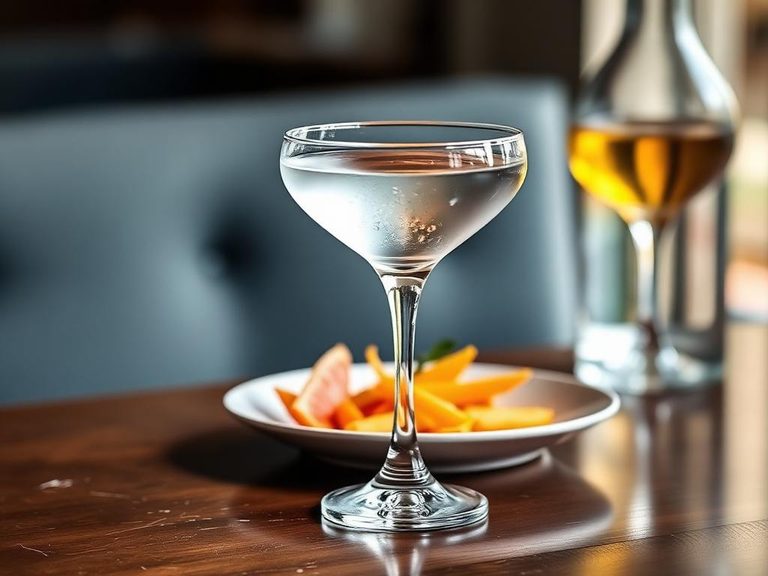
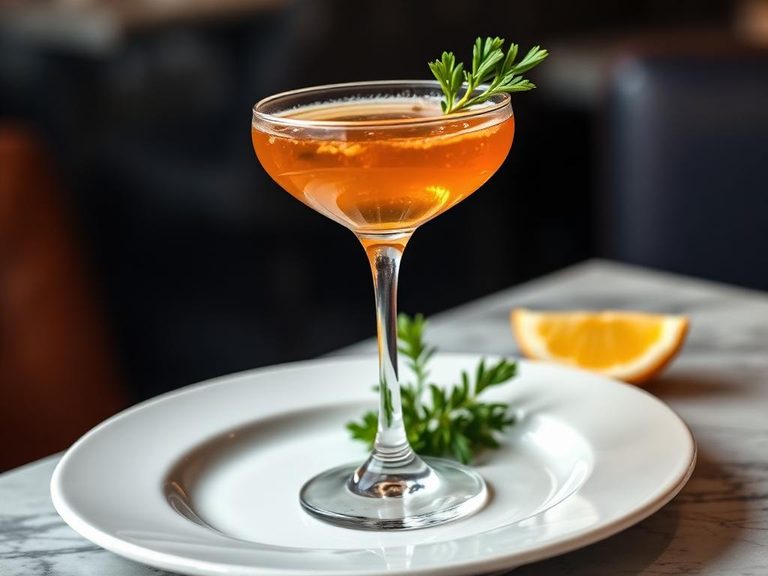
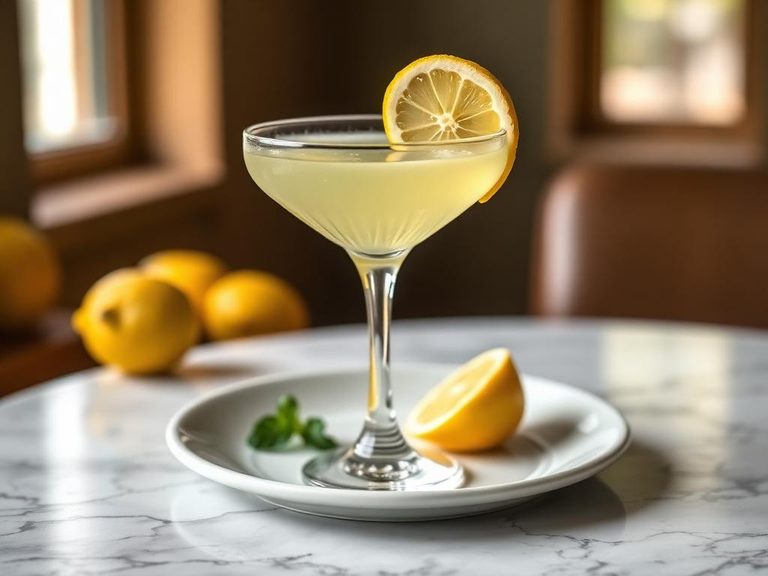
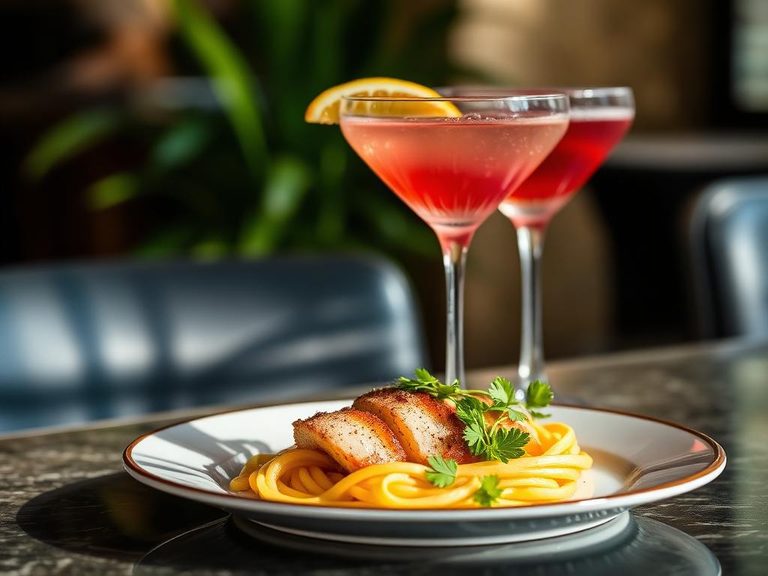
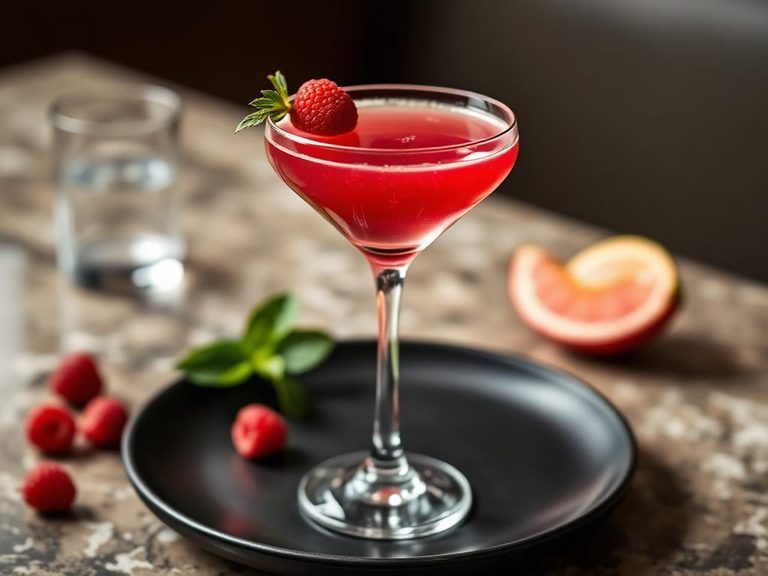
Flavored martini is a sophisticated, spirit-forward cocktail, typically a clear, crisp blend of gin or vodka with a splash of vermouth and a distinctive flavored liqueur or infusion, such as olive brine, lemon, or raspberry. Its texture is silky and smooth, with a clean, potent finish that highlights the added flavor. Nutritionally, it's a low-protein, low-fat drink where the calories come almost entirely from alcohol and a small amount of added sugar.
Calorie split: 1% protein · 98% carbs · 1% fat
↓ Full nutrition💚 Why it's loved
People love flavored martinis for their elegant simplicity and the way a single added ingredient—like a twist of lemon, a splash of olive brine, or a dash of raspberry liqueur—can completely transform the drink's character. It's a versatile canvas for personal taste and a symbol of classic cocktail culture.
⚠️ Watch-outs & how to enjoy it better
The primary downside is the high alcohol content, which can lead to intoxication and dehydrating effects. The added sugars in flavored liqueurs can also cause a rapid blood-sugar spike. To counteract this, always consume with food, especially protein or healthy fats to slow alcohol absorption, and be mindful of portion size. Choose sugar-free flavorings like olive brine or citrus twists when possible.
Key benefits
- Low in protein and fat
- Contains minimal dietary fiber
- Source of quick energy from carbohydrates
- Often served with a flavorful garnish
- Classic cocktail with a simple preparation
🍽️ Popular dishes
🌍 Where it's eaten
💡 Did you know?
The classic 'dry' martini actually contains vermouth, a fortified wine; the less vermouth used, the 'drier' the drink is considered.
Full nutrition (USDA data · scales with serving)
| Water | 69.9 g |
| Energy | 187 kcal |
| Protein | 0.09 g |
| Total lipid (fat) | 0.03 g |
| Carbohydrate, by difference | 6.4 g |
| Fiber, total dietary | 0.10 g |
| Total Sugars | 4.9 g |
| Calcium, Ca | 3.0 mg |
| Iron, Fe | 0.05 mg |
| Magnesium, Mg | 2.0 mg |
| Phosphorus, P | 6.0 mg |
| Potassium, K | 27.0 mg |
| Sodium, Na | 1.0 mg |
| Zinc, Zn | 0.05 mg |
| Copper, Cu | 0.02 mg |
| Selenium, Se | 0.10 ug |
| Vitamin C, total ascorbic acid | 8.0 mg |
| Thiamin | 0.01 mg |
| Riboflavin | 0.01 mg |
| Niacin | 0.04 mg |
| Vitamin B-6 | 0.01 mg |
| Folate, total | 2.0 ug |
| Folic acid | 0.00 ug |
| Folate, food | 2.0 ug |
| Folate, DFE | 2.0 ug |
| Choline, total | 1.1 mg |
| Vitamin B-12 | 0.00 ug |
| Vitamin B-12, added | 0.00 ug |
| Vitamin A, RAE | 0.00 ug |
| Retinol | 0.00 ug |
| Carotene, beta | 7.0 ug |
| Carotene, alpha | 0.00 ug |
| Cryptoxanthin, beta | 0.00 ug |
| Lycopene | 0.00 ug |
| Lutein + zeaxanthin | 0.00 ug |
| Vitamin E (alpha-tocopherol) | 0.06 mg |
| Vitamin E, added | 0.00 mg |
| Vitamin D (D2 + D3) | 0.00 ug |
| Vitamin K (phylloquinone) | 0.20 ug |
| Alcohol, ethyl | 23.6 g |
| Caffeine | 0.00 mg |
| Theobromine | 0.00 mg |
Fat & fatty acid profile (per 100g)
| Fatty acids, total saturated | 0.00 g |
| SFA 4:0 | 0.00 g |
| SFA 6:0 | 0.00 g |
| SFA 8:0 | 0.00 g |
| SFA 10:0 | 0.00 g |
| SFA 12:0 | 0.00 g |
| SFA 14:0 | 0.00 g |
| SFA 16:0 | 0.00 g |
| SFA 18:0 | 0.00 g |
| Fatty acids, total monounsaturated | 0.00 g |
| MUFA 16:1 | 0.00 g |
| MUFA 18:1 | 0.00 g |
| MUFA 20:1 | 0.00 g |
| MUFA 22:1 | 0.00 g |
| Fatty acids, total polyunsaturated | 0.01 g |
| PUFA 18:2 | 0.01 g |
| PUFA 18:3 | 0.00 g |
| PUFA 18:4 | 0.00 g |
| PUFA 20:4 | 0.00 g |
| PUFA 20:5 n-3 (EPA) | 0.00 g |
| PUFA 22:5 n-3 (DPA) | 0.00 g |
| PUFA 22:6 n-3 (DHA) | 0.00 g |
| Cholesterol | 0.00 mg |
FAQ
What is the main difference between a gin and vodka flavored martini?
A gin martini has a botanical, juniper-forward flavor profile, while a vodka martini is cleaner and more neutral, allowing the added flavor (like olive or lemon) to be the star.
Is a flavored martini gluten-free?
It depends on the base spirit. Vodka made from potatoes or grapes is gluten-free, as are many gins. However, some flavored liqueurs or vermouths may contain gluten, so check labels if you have celiac disease or severe sensitivity.
How can I reduce the sugar in my flavored martini?
Opt for sugar-free flavorings like olive brine, a squeeze of fresh citrus, or a dash of bitters. Avoid pre-made sweet and sour mixes or heavily sugared liqueurs.
Nutrient density (calculated · NRF9.3)
Nutrient Rich Foods index: beneficial nutrients (protein, fiber, vitamins, minerals) minus saturated fat, added sugar & sodium, per 100 kcal.
NRF9.3 index — Fulgoni, Keast & Drewnowski, 2009. Computed from USDA nutrients.
Weight-loss friendliness (composite index)
Energy density 1.87 kcal/g · 0% calories from protein · 0.1 g fiber · 4.9 g sugar per 100 g.
Composite of energy density (Rolls et al., 1999), protein & fiber satiety, minus sugar. A calculated heuristic — ranks satiety-per-calorie, not a clinical measure.
Dietary load (calculated from USDA values)
Potential renal acid load. Positive = acid-forming, negative = alkaline-forming.
Sodium-to-potassium ratio: 0.04 (lower is better — aim for ≤ 1)
Sodium:potassium per WHO potassium guidance. Computed from USDA nutrients.