

Honey mustard dressing, fat free
Common food

Photo: Wikipedia
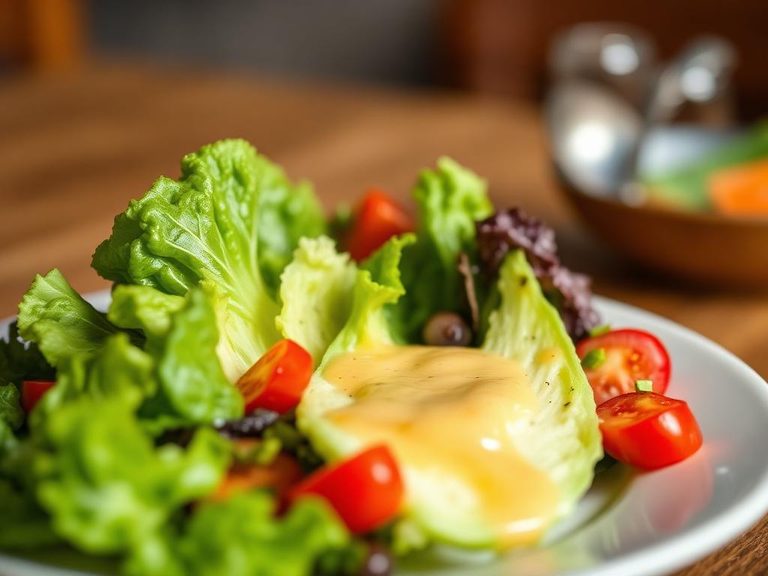
A smooth, pourable dressing that blends the tangy zing of mustard with the floral sweetness of honey, typically bright yellow in color. It offers a sweet-and-savory flavor profile with a slightly syrupy texture, making it a popular choice for salads and dips. Nutritionally, it is a high-carb condiment, with nearly 40g of carbohydrates per 100g, almost entirely from sugars.
Calorie split: 2% protein · 90% carbs · 8% fat
↓ Full nutrition💚 Why it's loved
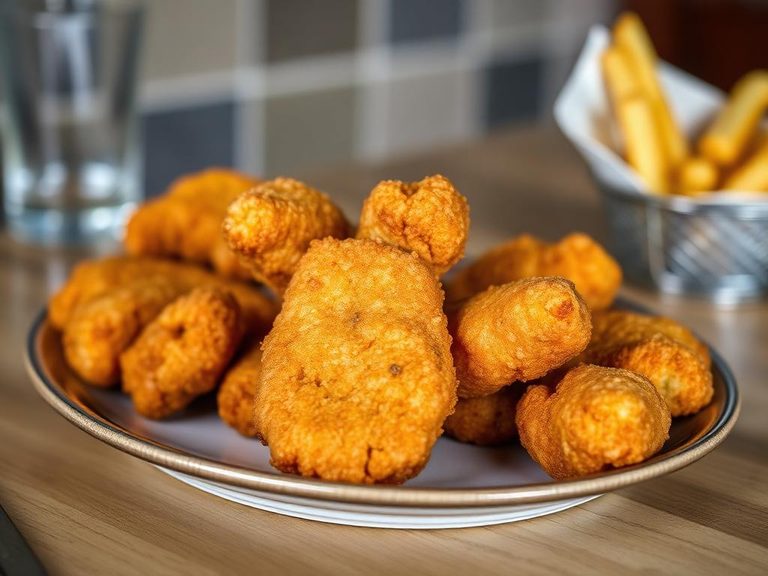
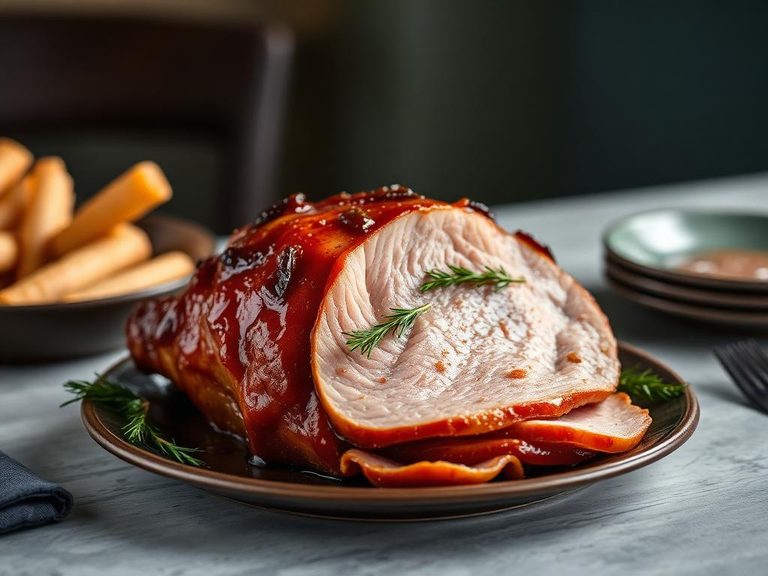
People adore it for its perfect balance of sweet honey and sharp mustard, a classic flavor combination that instantly elevates simple dishes. Its versatility is a major draw, seamlessly working as a salad dressing, a dip for chicken tenders or fries, and a glaze for proteins.
⚠️ Watch-outs & how to enjoy it better
The very high sugar content (over 17g per 100g) can cause rapid blood-sugar spikes, making it a poor choice for diabetics or those monitoring glycemic load. To mitigate this, always use strict portion control (1-2 tablespoons) and pair it with a source of protein or healthy fat (like grilled chicken or nuts) to slow sugar absorption. Some brands may also contain high sodium, so checking labels is advised.
Key benefits
- Fat-free formulation
- Adds significant flavor without dietary fat
- Provides quick energy from carbohydrates
- Versatile for both savory and sweet applications
- Convenient, ready-to-use condiment
🍽️ Popular dishes
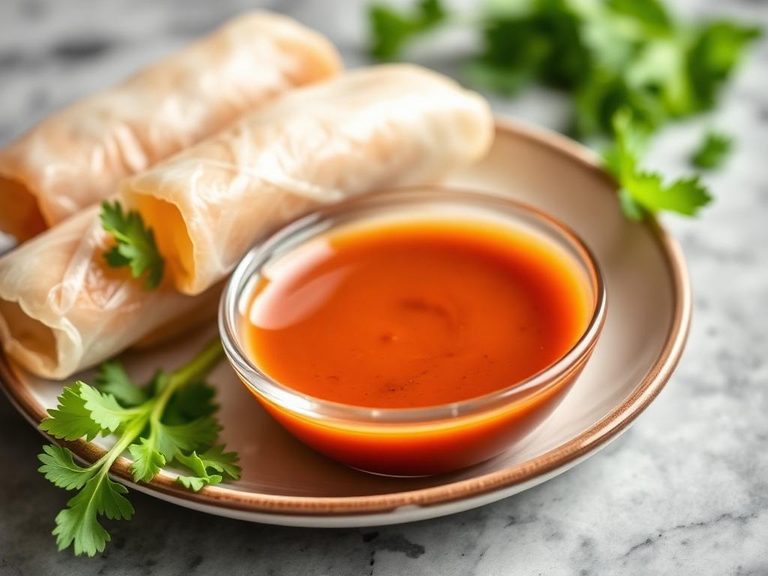
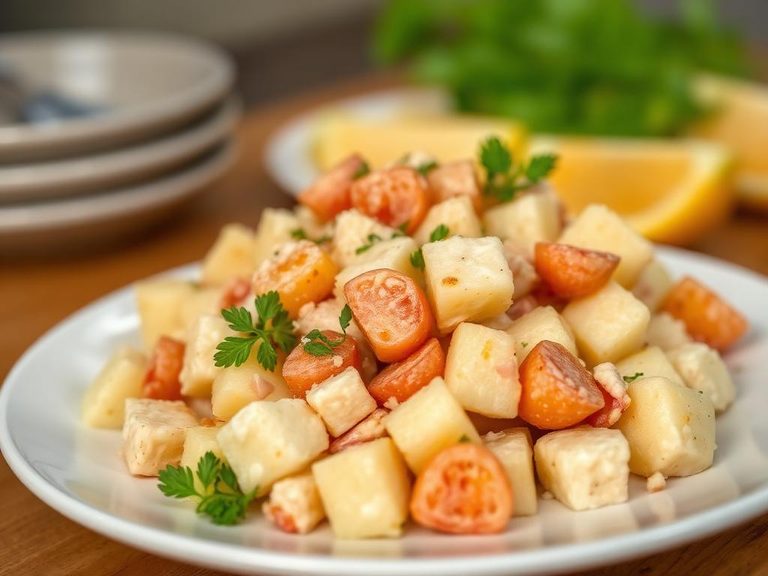
🌍 Where it's eaten
💡 Did you know?
Fat-free versions often achieve their texture and mouthfeel by using modified food starch, gums, or pureed fruit/vegetable bases to mimic the richness of oil, a technique that became widespread during the low-fat diet craze of the 1990s.
Full nutrition (USDA data · scales with serving)
| Water | 56.2 g |
| Energy | 169 kcal |
| Protein | 1.1 g |
| Total lipid (fat) | 1.5 g |
| Carbohydrate, by difference | 38.4 g |
| Fiber, total dietary | 1.2 g |
| Total Sugars | 17.8 g |
| Calcium, Ca | 24.0 mg |
| Iron, Fe | 0.36 mg |
| Magnesium, Mg | 13.0 mg |
| Phosphorus, P | 37.0 mg |
| Potassium, K | 69.0 mg |
| Sodium, Na | 1004 mg |
| Zinc, Zn | 0.29 mg |
| Copper, Cu | 0.04 mg |
| Selenium, Se | 6.2 ug |
| Vitamin C, total ascorbic acid | 2.1 mg |
| Thiamin | 0.04 mg |
| Riboflavin | 0.02 mg |
| Niacin | 0.15 mg |
| Vitamin B-6 | 0.05 mg |
| Folate, total | 9.0 ug |
| Folic acid | 0.00 ug |
| Folate, food | 9.0 ug |
| Folate, DFE | 9.0 ug |
| Choline, total | 5.5 mg |
| Vitamin B-12 | 0.02 ug |
| Vitamin B-12, added | 0.00 ug |
| Vitamin A, RAE | 5.0 ug |
| Retinol | 4.0 ug |
| Carotene, beta | 2.0 ug |
| Carotene, alpha | 0.00 ug |
| Cryptoxanthin, beta | 0.00 ug |
| Lycopene | 0.00 ug |
| Lutein + zeaxanthin | 15.0 ug |
| Vitamin E (alpha-tocopherol) | 0.80 mg |
| Vitamin E, added | 0.65 mg |
| Vitamin D (D2 + D3) | 0.00 ug |
| Vitamin K (phylloquinone) | 0.30 ug |
| Alcohol, ethyl | 0.00 g |
| Caffeine | 0.00 mg |
| Theobromine | 0.00 mg |
Fat & fatty acid profile (per 100g)
| Fatty acids, total saturated | 0.35 g |
| SFA 4:0 | 0.02 g |
| SFA 6:0 | 0.01 g |
| SFA 8:0 | 0.01 g |
| SFA 10:0 | 0.01 g |
| SFA 12:0 | 0.01 g |
| SFA 14:0 | 0.04 g |
| SFA 16:0 | 0.16 g |
| SFA 18:0 | 0.07 g |
| Fatty acids, total monounsaturated | 0.71 g |
| MUFA 16:1 | 0.01 g |
| MUFA 18:1 | 0.34 g |
| MUFA 20:1 | 0.10 g |
| MUFA 22:1 | 0.24 g |
| Fatty acids, total polyunsaturated | 0.29 g |
| PUFA 18:2 | 0.17 g |
| PUFA 18:3 | 0.10 g |
| PUFA 18:4 | 0.00 g |
| PUFA 20:4 | 0.00 g |
| PUFA 20:5 n-3 (EPA) | 0.00 g |
| PUFA 22:5 n-3 (DPA) | 0.00 g |
| PUFA 22:6 n-3 (DHA) | 0.00 g |
| Cholesterol | 1.0 mg |
FAQ
How does fat-free honey mustard differ from regular?
Regular versions are oil-based emulsions, making them higher in fat and calories. Fat-free varieties replace the oil with thickeners, sweeteners, and more vinegar or water, resulting in a sweeter, less creamy, and often more syrupy product.
Is it healthier than creamy ranch or Caesar dressing?
It's lower in fat and calories, but significantly higher in sugar. The 'healthier' choice depends on your dietary goals; for low-fat diets, it may be preferable, but for low-sugar or keto diets, a creamy, oil-based dressing with minimal carbs would be better.
Can I use it for cooking or just as a dressing?
It's excellent as a glaze for baking or grilling chicken, pork, or salmon during the last few minutes of cooking. The sugars will caramelize nicely. Avoid high-heat frying with it, as the high sugar content will burn quickly.
Nutrient density (calculated · NRF9.3)
Nutrient Rich Foods index: beneficial nutrients (protein, fiber, vitamins, minerals) minus saturated fat, added sugar & sodium, per 100 kcal.
NRF9.3 index — Fulgoni, Keast & Drewnowski, 2009. Computed from USDA nutrients.
Weight-loss friendliness (composite index)
Energy density 1.69 kcal/g · 3% calories from protein · 1.2 g fiber · 17.8 g sugar per 100 g.
Composite of energy density (Rolls et al., 1999), protein & fiber satiety, minus sugar. A calculated heuristic — ranks satiety-per-calorie, not a clinical measure.
Dietary load (calculated from USDA values)
Potential renal acid load. Positive = acid-forming, negative = alkaline-forming.
Sodium-to-potassium ratio: 14.55 (lower is better — aim for ≤ 1)
Sodium:potassium per WHO potassium guidance. Computed from USDA nutrients.