

Spring Roll Dipping Sauce
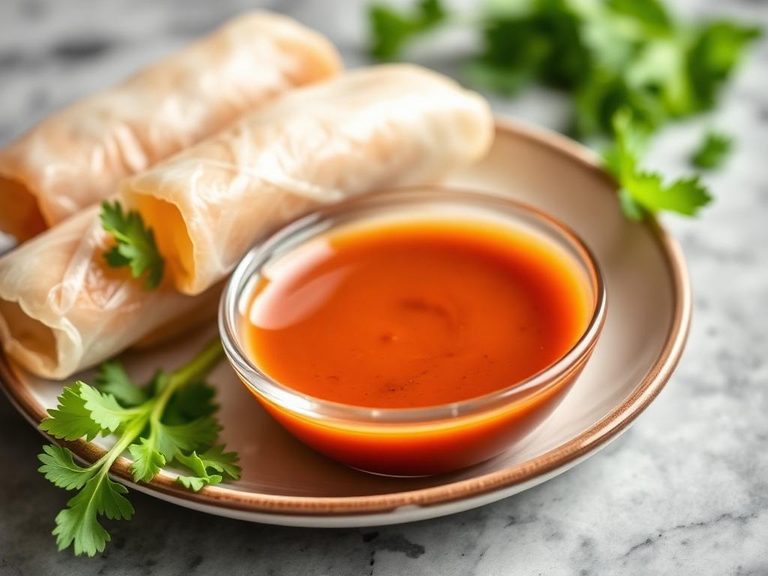
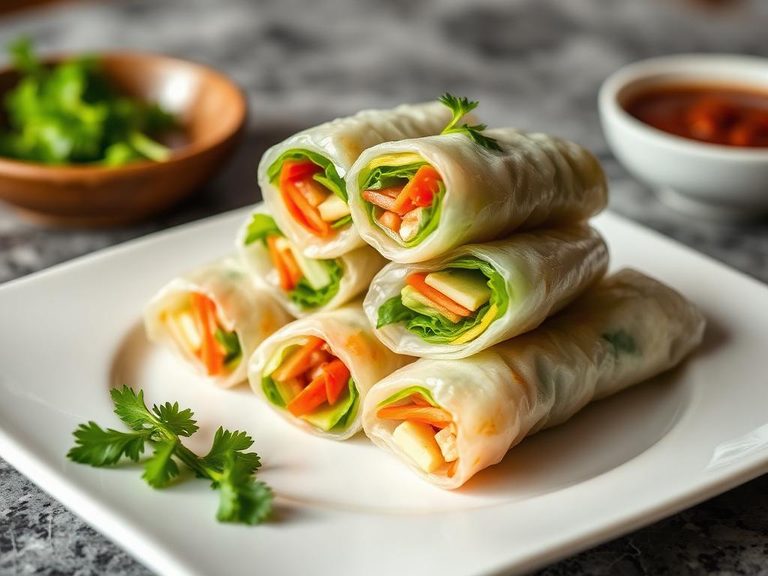
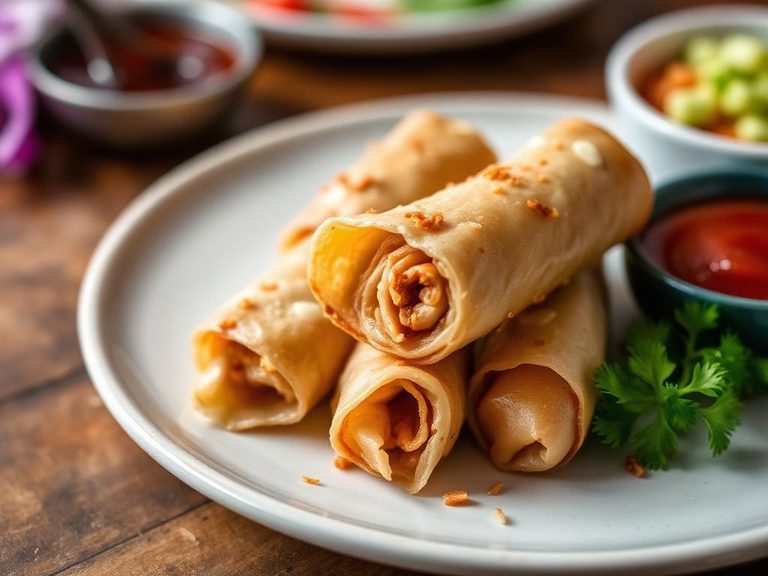
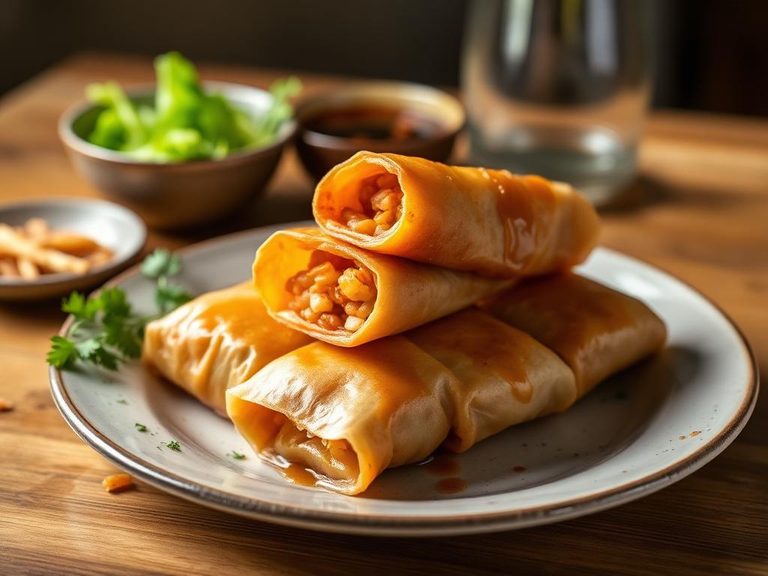
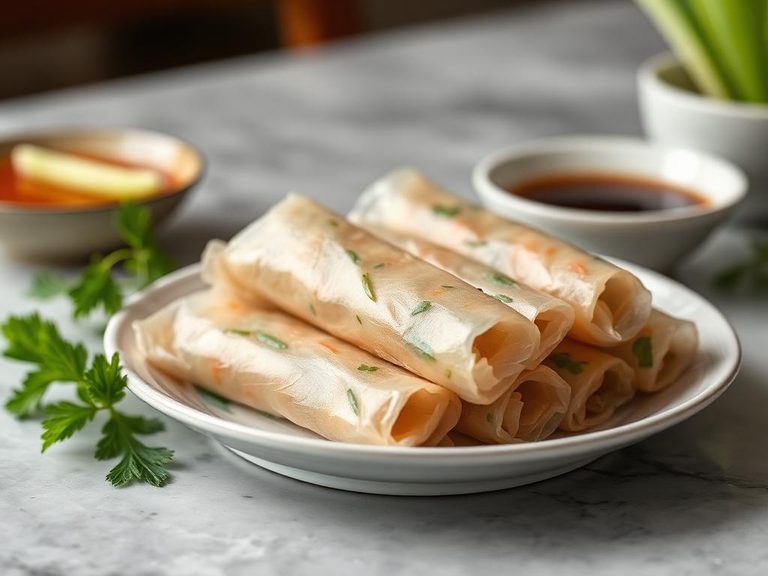
Spring Roll Dipping Sauce is a versatile, flavorful condiment traditionally served alongside fresh or fried spring rolls in various Asian cuisines, particularly Chinese and Vietnamese. Its base typically combines soy sauce, rice vinegar, sesame oil, and sugar, often enhanced with garlic, ginger, chili, or fresh herbs like cilantro. The sauce balances salty, sweet, sour, and umami notes to complement the crisp, light texture of spring rolls.
🍽️ Nutrition at a glance
This sauce is generally low in calories, with a typical serving (1-2 tablespoons) containing around 10-30 calories, and is not a significant source of carbohydrates, fat, or protein. Its key nutrients come from small amounts of sodium, antioxidants from garlic or chili, and trace minerals from fermented soy products like soy sauce.
Nutrition breakdown
| Calories | 20 kcal |
| Protein | 0.3 g |
| Carbs | 4 g |
| Fat | 0.2 g |
| Fiber | 0.1 g |
| Sugar | 3 g |
| Sodium | 480 mg |
| Sodium | 480 mg |
| Potassium | 25 mg |
| Iron | 0.2 mg |
| Vitamin C | 1 mg |
| Calcium | 5 mg |
| Magnesium | 2 mg |
| Phosphorus | 8 mg |
| Zinc | 0.1 mg |
Per 2 tablespoons (30 g) · estimated, varies by recipe
💡 What's interesting
Culturally, the sauce reflects the importance of balance in Asian culinary traditions, often tailored to regional tastes—such as sweeter versions in Southern China or fish sauce-based iterations in Vietnam. Nutritionally, its use of fermented ingredients like soy sauce or fish sauce can introduce beneficial probiotics and enhance the bioavailability of nutrients from the vegetables in the spring rolls.
🍽️ Related dishes

AI estimate may be inaccurate · Terms