

Glug
Common food
Glug is a thick, viscous, and intensely sweet fruit syrup, often derived from dates or other sugary fruits, with a rich, caramel-like flavor and a smooth, syrupy texture. Nutritionally, it is a concentrated source of carbohydrates, primarily from natural sugars, offering a quick energy boost with minimal protein or fat. Its deep, earthy sweetness makes it a versatile sweetener in both traditional and modern culinary applications.
Calorie split: 2% protein · 94% carbs · 5% fat
↓ Full nutrition💚 Why it's loved
People love Glug for its intense, caramel-like sweetness and its ability to enhance the flavor of both sweet and savory dishes. Its thick consistency makes it a popular choice for drizzling over desserts, mixing into beverages, or using as a natural binding agent in recipes.
⚠️ Watch-outs & how to enjoy it better
The high sugar content can cause blood-sugar spikes, making it less suitable for those managing diabetes or insulin resistance. To counteract this, pair Glug with protein or healthy fats (like nuts or yogurt) to slow sugar absorption, and practice portion control by using it sparingly as a flavor enhancer rather than a primary sweetener.
Key benefits
- Quick energy source from natural sugars
- Rich in antioxidants from fruit-based ingredients
- Natural sweetener alternative to refined sugars
- Adds depth and moisture to baked goods
- Contains trace minerals like potassium and magnesium
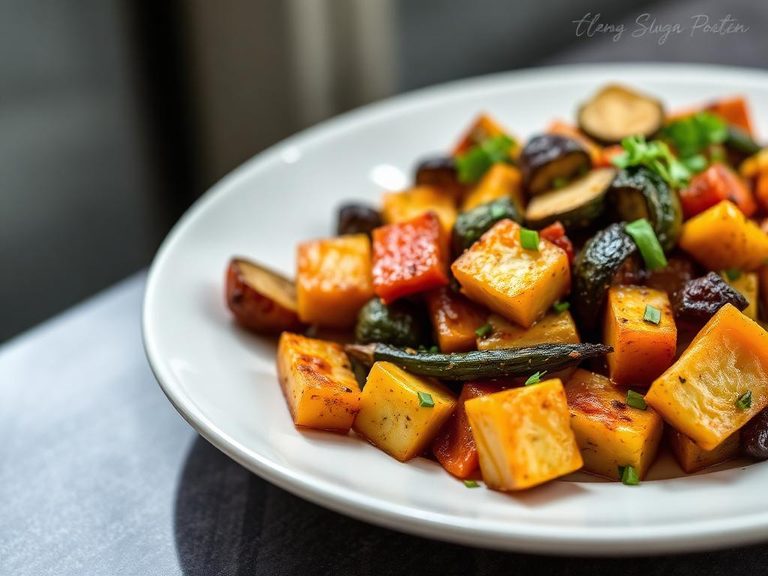
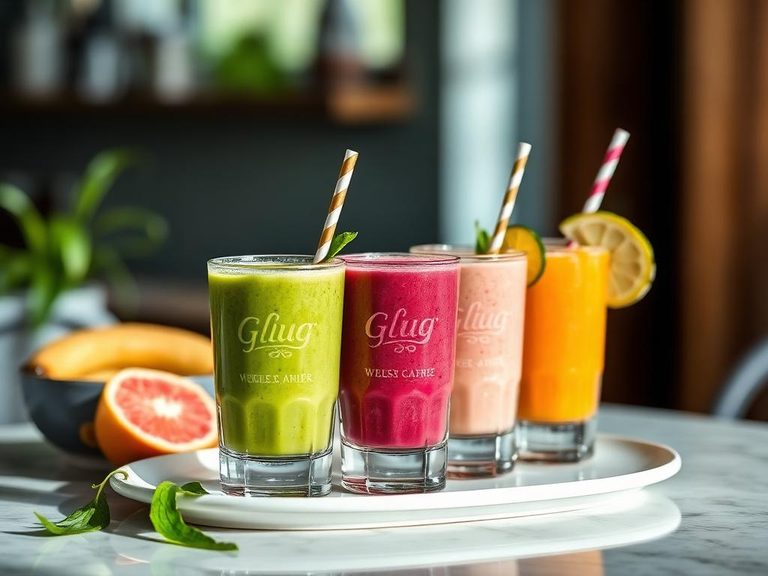
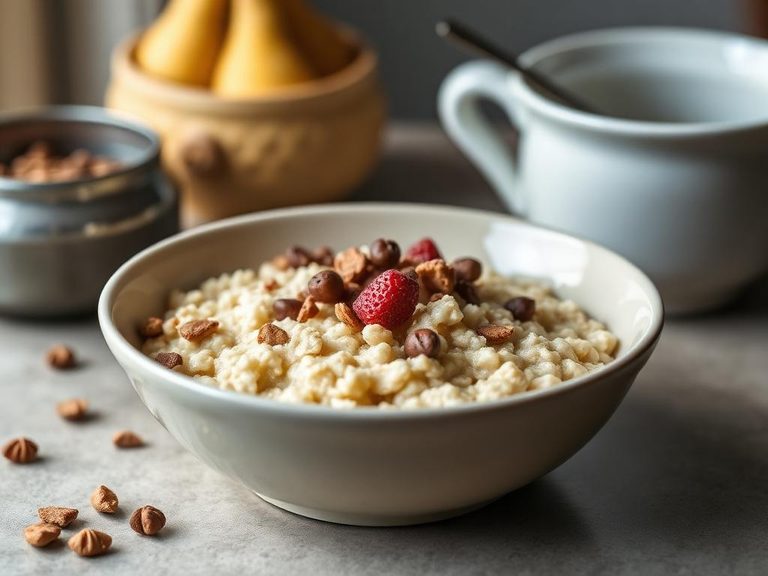
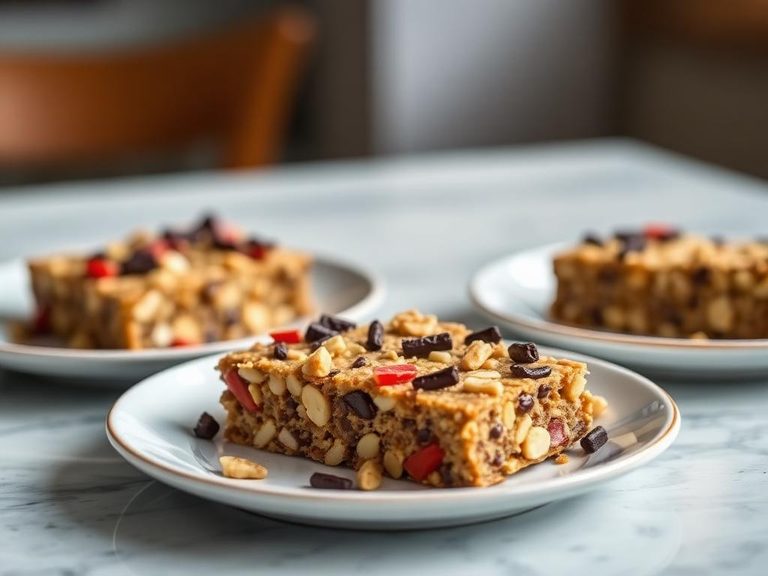
🍽️ Popular dishes


🌍 Where it's eaten
💡 Did you know?
Glug is sometimes used in traditional medicine as a natural remedy for digestive issues, thanks to its high fiber content and soothing properties.
Full nutrition (USDA data · scales with serving)
| Water | 83.2 g |
| Energy | 96.0 kcal |
| Protein | 0.10 g |
| Total lipid (fat) | 0.14 g |
| Carbohydrate, by difference | 6.2 g |
| Fiber, total dietary | 0.10 g |
| Total Sugars | 4.2 g |
| Calcium, Ca | 9.0 mg |
| Iron, Fe | 0.47 mg |
| Magnesium, Mg | 12.0 mg |
| Phosphorus, P | 23.0 mg |
| Potassium, K | 125 mg |
| Sodium, Na | 4.0 mg |
| Zinc, Zn | 0.15 mg |
| Copper, Cu | 0.02 mg |
| Selenium, Se | 0.20 ug |
| Vitamin C, total ascorbic acid | 0.00 mg |
| Thiamin | 0.01 mg |
| Riboflavin | 0.03 mg |
| Niacin | 0.22 mg |
| Vitamin B-6 | 0.06 mg |
| Folate, total | 1.0 ug |
| Folic acid | 0.00 ug |
| Folate, food | 1.0 ug |
| Folate, DFE | 1.0 ug |
| Choline, total | 5.6 mg |
| Vitamin B-12 | 0.00 ug |
| Vitamin B-12, added | 0.00 ug |
| Vitamin A, RAE | 0.00 ug |
| Retinol | 0.00 ug |
| Carotene, beta | 1.0 ug |
| Carotene, alpha | 0.00 ug |
| Cryptoxanthin, beta | 0.00 ug |
| Lycopene | 0.00 ug |
| Lutein + zeaxanthin | 6.0 ug |
| Vitamin E (alpha-tocopherol) | 0.00 mg |
| Vitamin E, added | 0.00 mg |
| Vitamin D (D2 + D3) | 0.00 ug |
| Vitamin K (phylloquinone) | 0.40 ug |
| Alcohol, ethyl | 10.1 g |
| Caffeine | 0.00 mg |
| Theobromine | 0.00 mg |
Fat & fatty acid profile (per 100g)
| Fatty acids, total saturated | 0.10 g |
| SFA 4:0 | 0.00 g |
| SFA 6:0 | 0.00 g |
| SFA 8:0 | 0.00 g |
| SFA 10:0 | 0.00 g |
| SFA 12:0 | 0.00 g |
| SFA 14:0 | 0.09 g |
| SFA 16:0 | 0.01 g |
| SFA 18:0 | 0.00 g |
| Fatty acids, total monounsaturated | 0.01 g |
| MUFA 16:1 | 0.01 g |
| MUFA 18:1 | 0.01 g |
| MUFA 20:1 | 0.00 g |
| MUFA 22:1 | 0.00 g |
| Fatty acids, total polyunsaturated | 0.00 g |
| PUFA 18:2 | 0.00 g |
| PUFA 18:3 | 0.00 g |
| PUFA 18:4 | 0.00 g |
| PUFA 20:4 | 0.00 g |
| PUFA 20:5 n-3 (EPA) | 0.00 g |
| PUFA 22:5 n-3 (DPA) | 0.00 g |
| PUFA 22:6 n-3 (DHA) | 0.00 g |
| Cholesterol | 0.00 mg |
FAQ
What is Glug made from?
Glug is typically made from concentrated fruit juices or syrups, often from dates, figs, or other sweet fruits, and is processed to achieve a thick, syrupy consistency.
How is Glug different from honey or maple syrup?
Glug has a thicker, more viscous texture and a deeper, caramel-like flavor compared to honey or maple syrup. It is often used as a natural sweetener in recipes where a rich, earthy sweetness is desired.
Can Glug be used in baking?
Yes, Glug is excellent in baking as it adds moisture and sweetness to cakes, cookies, and breads. It can also be used as a glaze or topping for baked goods.
Nutrient density (calculated · NRF9.3)
Nutrient Rich Foods index: beneficial nutrients (protein, fiber, vitamins, minerals) minus saturated fat, added sugar & sodium, per 100 kcal.
NRF9.3 index — Fulgoni, Keast & Drewnowski, 2009. Computed from USDA nutrients.
Weight-loss friendliness (composite index)
Energy density 0.96 kcal/g · 0% calories from protein · 0.1 g fiber · 4.2 g sugar per 100 g.
Composite of energy density (Rolls et al., 1999), protein & fiber satiety, minus sugar. A calculated heuristic — ranks satiety-per-calorie, not a clinical measure.
Dietary load (calculated from USDA values)
Potential renal acid load. Positive = acid-forming, negative = alkaline-forming.
Sodium-to-potassium ratio: 0.03 (lower is better — aim for ≤ 1)
Sodium:potassium per WHO potassium guidance. Computed from USDA nutrients.