Glug-glazed roasted vegetables
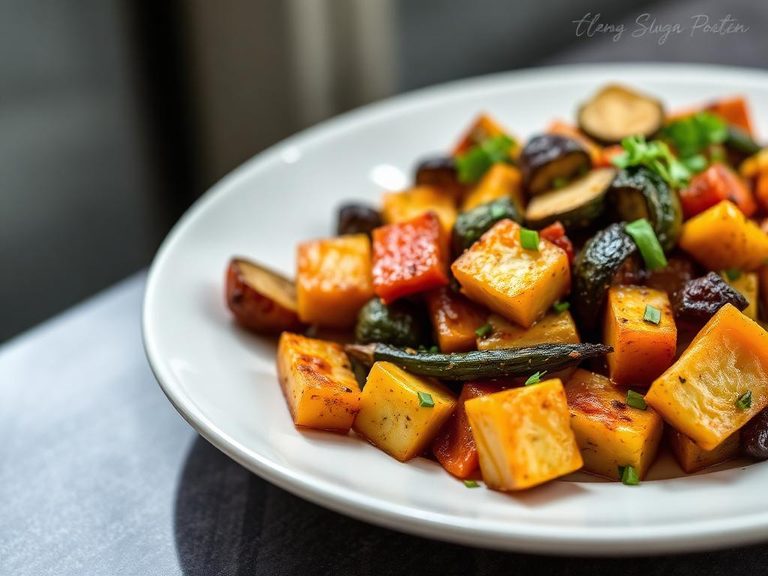
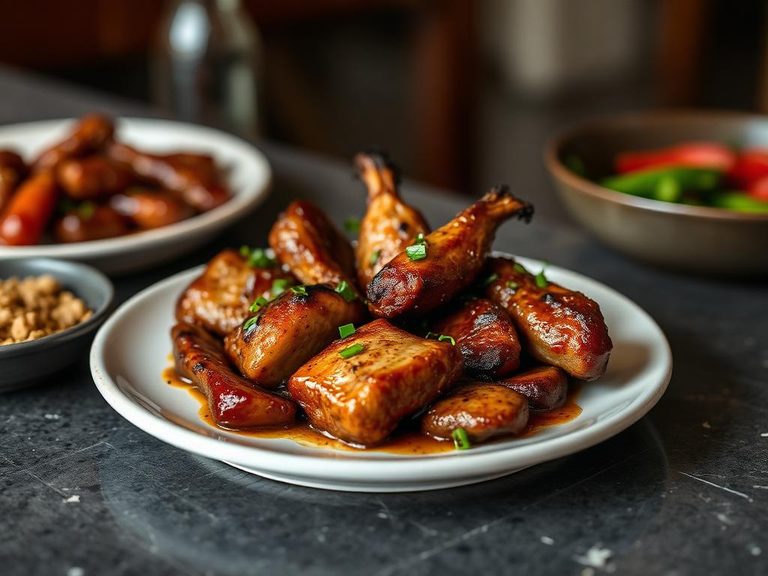
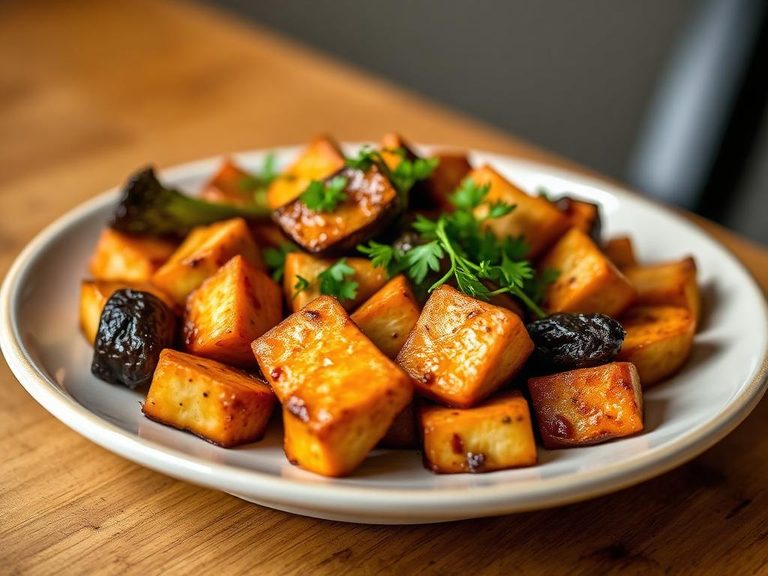
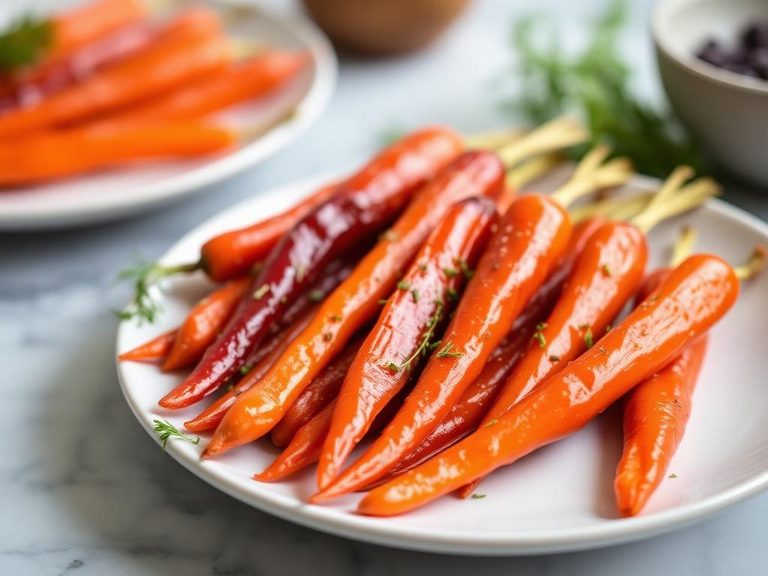
Glug-glazed roasted vegetables are a hearty, comforting side dish where a medley of seasonal vegetables is roasted until tender and caramelized, then tossed in a rich, savory-sweet glaze. The name 'glug' playfully refers to the generous pour of the glossy, often soy or balsamic-based sauce that coats the vegetables. This style of preparation is a popular home-cooking technique found in various forms across many cuisines, particularly in Western and fusion cooking.
🍽️ Nutrition at a glance
This dish is primarily a source of complex carbohydrates and dietary fiber from the vegetables, with a moderate amount of fat from the oil used in roasting and the glaze. It is rich in essential vitamins like Vitamin A and C, as well as minerals such as potassium. A typical serving contains roughly 200-250 calories.
Nutrition breakdown
| Calories | 230 kcal |
| Protein | 4.5 g |
| Carbs | 28 g |
| Fat | 12 g |
| Fiber | 6 g |
| Sugar | 14 g |
| Sodium | 480 mg |
| Vitamin A | 180 mcg RAE |
| Vitamin C | 45 mg |
| Potassium | 520 mg |
| Manganese | 0.6 mg |
| Vitamin K | 35 mcg |
| Folate | 65 mcg |
| Vitamin B6 | 0.3 mg |
| Iron | 1.8 mg |
Per 1.5 cups (approx. 220 g) · estimated, varies by recipe
💡 What's interesting
The 'glug' glaze is a perfect example of how simple pantry staples can transform basic vegetables into a crave-worthy dish, highlighting the technique of building flavor through caramelization and a balanced sauce. Nutritionally, roasting concentrates the natural sugars in vegetables, enhancing their sweetness without added sugar, while the glaze can add beneficial compounds like antioxidants from soy sauce or vinegar.