

Gin and tonic
Common food

Photo: Wikipedia
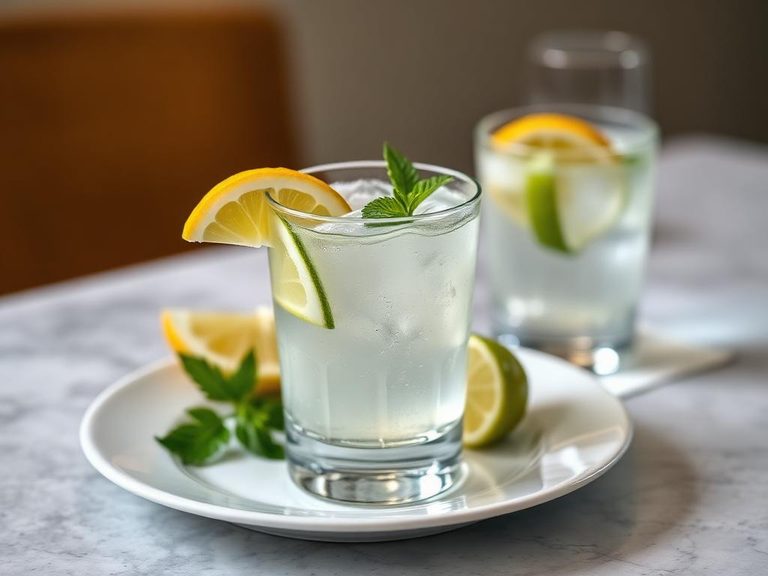
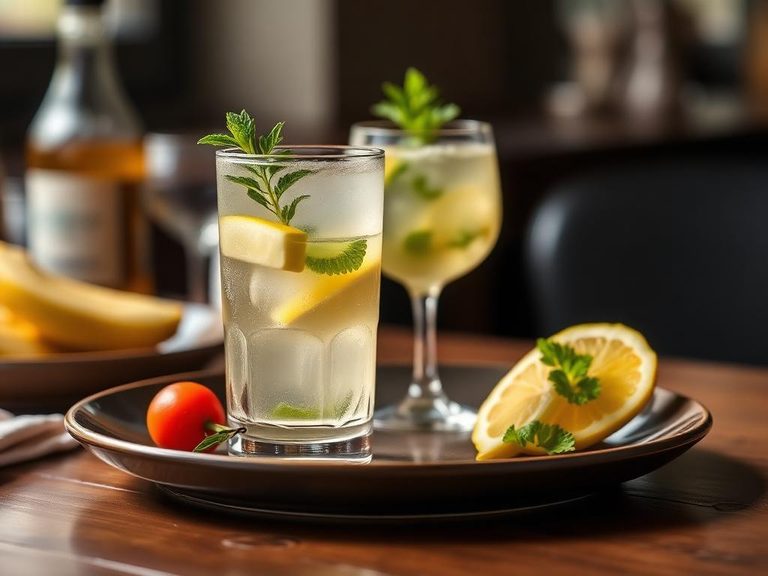
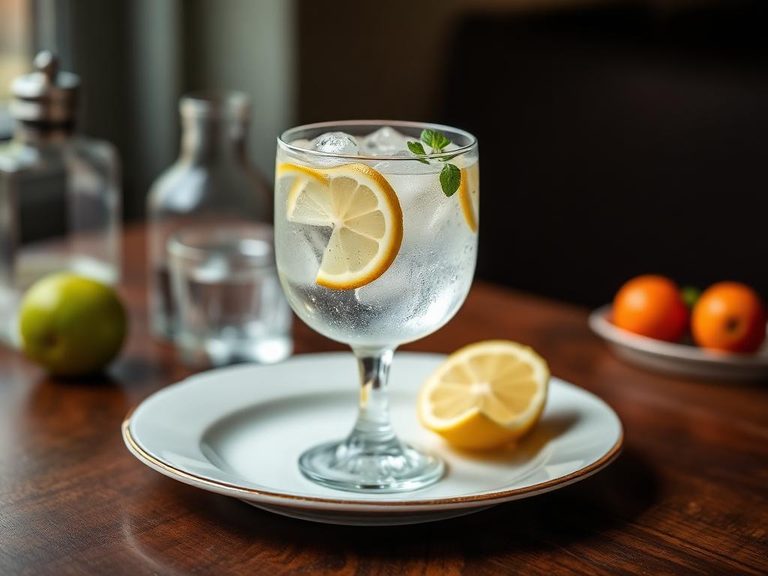
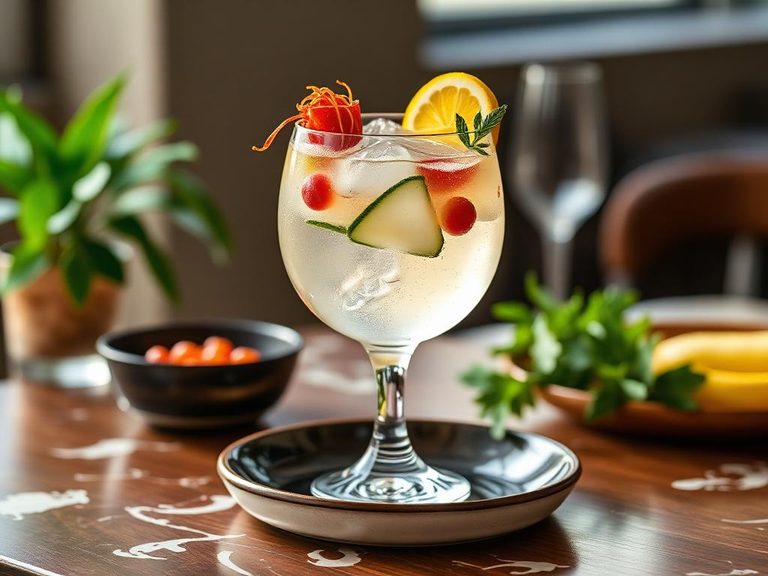
A classic cocktail blending the botanical, juniper-led bite of gin with the sharp effervescence of tonic water. The drink is crisp, slightly bitter, and refreshing, with the carbonation providing a lively texture. Nutritionally, it is a low-calorie alcoholic beverage, with its 84 kcal per 100g derived almost entirely from the sugar in the tonic water.
Calorie split: 0% protein · 100% carbs · 0% fat
↓ Full nutrition💚 Why it's loved
People love it for its perfect balance of bitter, sweet, and botanical flavors, which is incredibly refreshing, especially in warm weather. Its versatility is a major draw, as it can be customized with various gins, tonics, and garnishes like lime, cucumber, or berries to suit any palate.
⚠️ Watch-outs & how to enjoy it better
The primary downside is the sugar content from tonic water, which can contribute to blood-sugar spikes. Alcohol consumption should be moderated. To counteract the sugar, opt for a diet or low-sugar tonic water. Always consume in moderation and with food to slow alcohol absorption.
Key benefits
- Low in calories compared to many cocktails
- Contains quinine from tonic water, historically used to prevent malaria
- The juniper in gin may have mild diuretic properties
- High water content contributes to hydration (though alcohol is a diuretic)
- Simple, two-ingredient recipe with minimal preparation
🍽️ Popular dishes
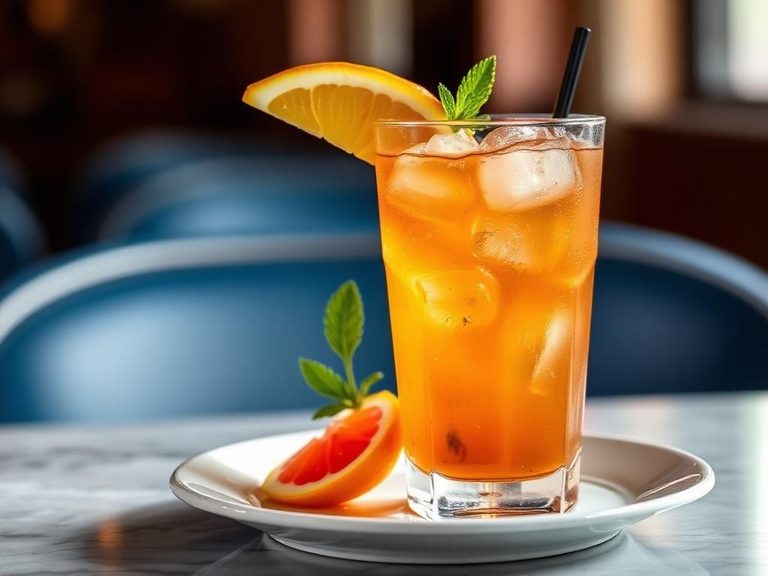
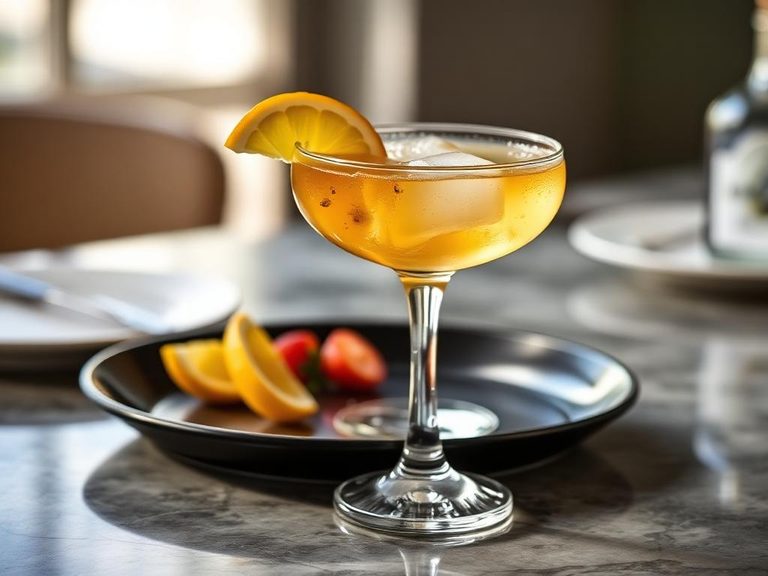
🌍 Where it's eaten
💡 Did you know?
The modern gin and tonic originated in 19th-century British India, where officers mixed medicinal quinine tonic water with gin to make the bitter drink more palatable.
Full nutrition (USDA data · scales with serving)
| Water | 84.9 g |
| Energy | 84.0 kcal |
| Protein | 0.00 g |
| Total lipid (fat) | 0.00 g |
| Carbohydrate, by difference | 6.6 g |
| Fiber, total dietary | 0.00 g |
| Total Sugars | 6.6 g |
| Calcium, Ca | 1.0 mg |
| Iron, Fe | 0.02 mg |
| Magnesium, Mg | 0.00 mg |
| Phosphorus, P | 1.0 mg |
| Potassium, K | 1.0 mg |
| Sodium, Na | 9.0 mg |
| Zinc, Zn | 0.08 mg |
| Copper, Cu | 0.01 mg |
| Selenium, Se | 0.00 ug |
| Vitamin C, total ascorbic acid | 0.00 mg |
| Thiamin | 0.00 mg |
| Riboflavin | 0.00 mg |
| Niacin | 0.00 mg |
| Vitamin B-6 | 0.00 mg |
| Folate, total | 0.00 ug |
| Folic acid | 0.00 ug |
| Folate, food | 0.00 ug |
| Folate, DFE | 0.00 ug |
| Choline, total | 0.00 mg |
| Vitamin B-12 | 0.00 ug |
| Vitamin B-12, added | 0.00 ug |
| Vitamin A, RAE | 0.00 ug |
| Retinol | 0.00 ug |
| Carotene, beta | 0.00 ug |
| Carotene, alpha | 0.00 ug |
| Cryptoxanthin, beta | 0.00 ug |
| Lycopene | 0.00 ug |
| Lutein + zeaxanthin | 0.00 ug |
| Vitamin E (alpha-tocopherol) | 0.00 mg |
| Vitamin E, added | 0.00 mg |
| Vitamin D (D2 + D3) | 0.00 ug |
| Vitamin K (phylloquinone) | 0.00 ug |
| Alcohol, ethyl | 8.5 g |
| Caffeine | 0.00 mg |
| Theobromine | 0.00 mg |
Fat & fatty acid profile (per 100g)
| Fatty acids, total saturated | 0.00 g |
| SFA 4:0 | 0.00 g |
| SFA 6:0 | 0.00 g |
| SFA 8:0 | 0.00 g |
| SFA 10:0 | 0.00 g |
| SFA 12:0 | 0.00 g |
| SFA 14:0 | 0.00 g |
| SFA 16:0 | 0.00 g |
| SFA 18:0 | 0.00 g |
| Fatty acids, total monounsaturated | 0.00 g |
| MUFA 16:1 | 0.00 g |
| MUFA 18:1 | 0.00 g |
| MUFA 20:1 | 0.00 g |
| MUFA 22:1 | 0.00 g |
| Fatty acids, total polyunsaturated | 0.00 g |
| PUFA 18:2 | 0.00 g |
| PUFA 18:3 | 0.00 g |
| PUFA 18:4 | 0.00 g |
| PUFA 20:4 | 0.00 g |
| PUFA 20:5 n-3 (EPA) | 0.00 g |
| PUFA 22:5 n-3 (DPA) | 0.00 g |
| PUFA 22:6 n-3 (DHA) | 0.00 g |
| Cholesterol | 0.00 mg |
FAQ
Is a gin and tonic a high-sugar drink?
It can be. Traditional tonic water contains significant sugar (about 6.57g per 100g). Using diet or low-sugar tonic dramatically reduces the sugar and calorie content.
What is the best gin for a gin and tonic?
This is highly personal. A classic London Dry Gin (like Beefeater or Tanqueray) provides a strong juniper backbone. Newer 'contemporary' or 'New Western' gins with citrus or floral notes can create a different, often lighter, profile.
Why is it often served with a lime?
The lime wedge adds a fresh, acidic brightness that cuts through the sweetness of the tonic and complements the botanicals in the gin. Squeezing it in also adds a subtle citrus aroma.
Nutrient density (calculated · NRF9.3)
Nutrient Rich Foods index: beneficial nutrients (protein, fiber, vitamins, minerals) minus saturated fat, added sugar & sodium, per 100 kcal.
NRF9.3 index — Fulgoni, Keast & Drewnowski, 2009. Computed from USDA nutrients.
Weight-loss friendliness (composite index)
Energy density 0.84 kcal/g · 0% calories from protein · 0.0 g fiber · 6.6 g sugar per 100 g.
Composite of energy density (Rolls et al., 1999), protein & fiber satiety, minus sugar. A calculated heuristic — ranks satiety-per-calorie, not a clinical measure.
Dietary load (calculated from USDA values)
Potential renal acid load. Positive = acid-forming, negative = alkaline-forming.
Sodium-to-potassium ratio: 9.00 (lower is better — aim for ≤ 1)
Sodium:potassium per WHO potassium guidance. Computed from USDA nutrients.