

Game meat, elk, raw
Whole food · Lamb, Veal, and Game Products

Photo: Wikipedia
Elk is a lean, deep-red game meat with a clean, slightly sweet flavor reminiscent of beef but richer and less fatty. Its texture is firm and dense when raw, becoming tender and succulent when cooked properly. Nutritionally, it's a protein powerhouse, offering over 22 grams of protein per 100 grams with minimal fat.
Calorie split: 88% protein · 0% carbs · 12% fat
↓ Full nutrition💚 Why it's loved
People love elk for its robust, clean taste that carries marinades and seasonings beautifully, making it a favorite for grilling and smoking. It's also celebrated in culinary circles as a sustainable, ethical, and nutrient-dense alternative to conventional red meats.
⚠️ Watch-outs & how to enjoy it better
Due to its extreme leanness, elk can become tough and dry if overcooked, which can be a challenge for inexperienced cooks. Those accustomed to fatty cuts may find its texture unfamiliar. To counteract this, use a meat thermometer to avoid overcooking, employ moist-heat methods like braising for tougher cuts, or pair it with a flavorful sauce or compound butter.
Key benefits
- Extremely high in lean protein for muscle maintenance
- Naturally very low in fat and calories
- Rich in iron and B vitamins like B12
- Source of conjugated linoleic acid (CLA)
- Grass-fed and free-range by nature
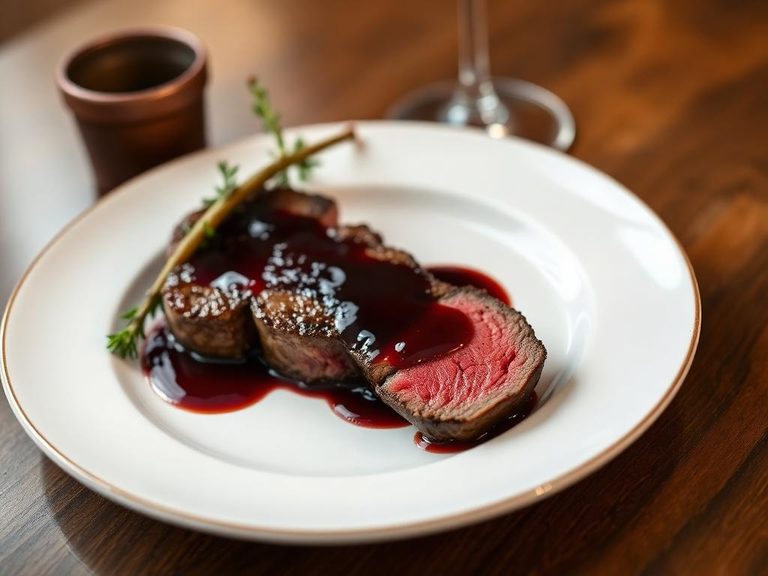
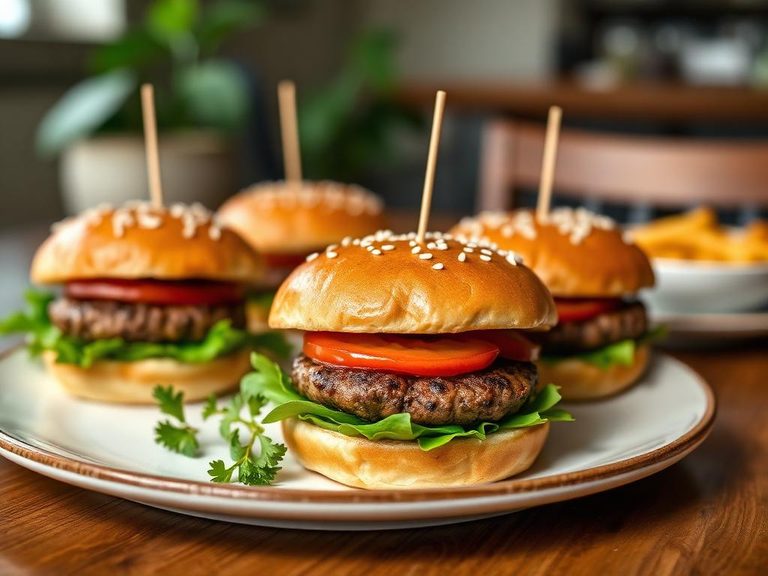
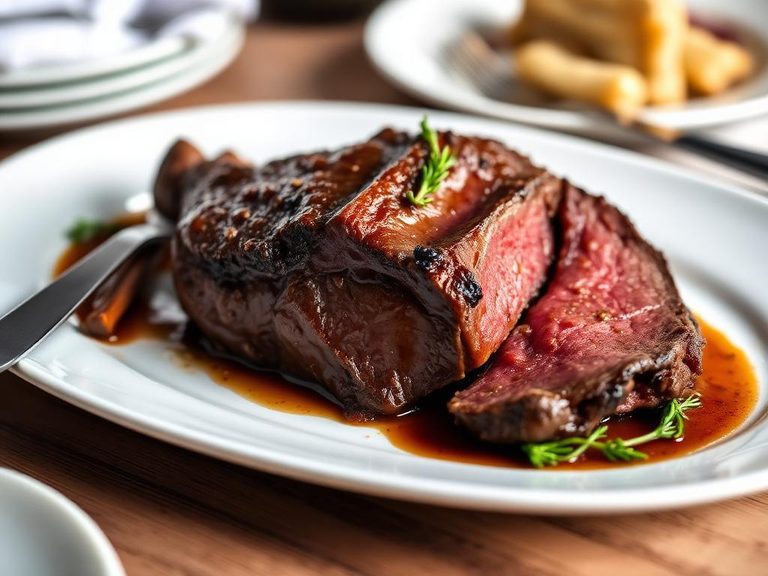
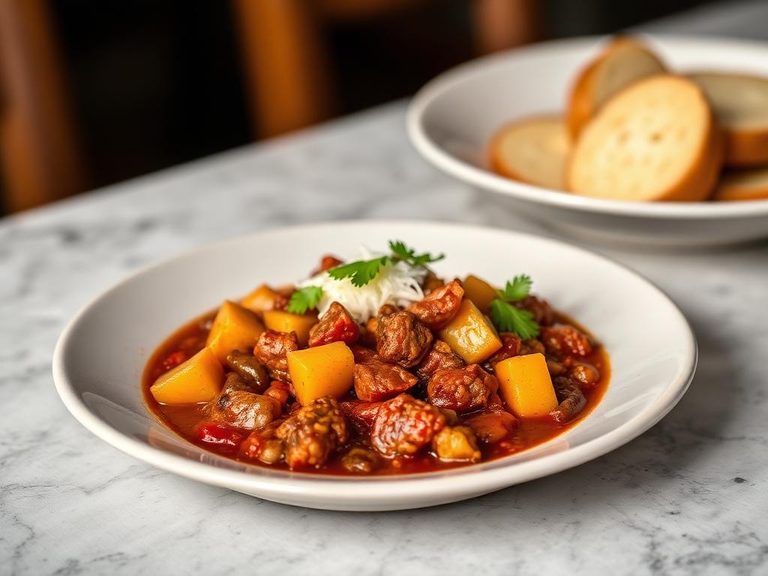
🍽️ Popular dishes

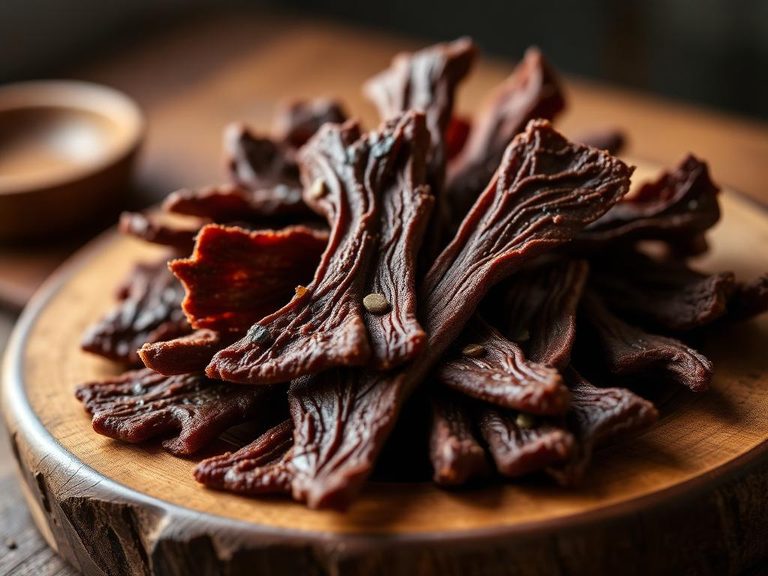
🌍 Where it's eaten
💡 Did you know?
A single male elk can weigh over 300 kg (660 lbs), yet its meat is one of the leanest red meats available, often containing less fat than skinless chicken breast.
Full nutrition (USDA data · scales with serving)
| Water | 74.4 g |
| Energy | 111 kcal |
| Energy | 464 kj |
| Protein | 22.9 g |
| Total lipid (fat) | 1.4 g |
| Ash | 1.0 g |
| Carbohydrate, by difference | 0.00 g |
| Fiber, total dietary | 0.00 g |
| Calcium, Ca | 4.0 mg |
| Iron, Fe | 2.8 mg |
| Magnesium, Mg | 23.0 mg |
| Phosphorus, P | 161 mg |
| Potassium, K | 312 mg |
| Sodium, Na | 58.0 mg |
| Zinc, Zn | 2.4 mg |
| Copper, Cu | 0.12 mg |
| Manganese, Mn | 0.01 mg |
| Selenium, Se | 9.8 ug |
| Vitamin C, total ascorbic acid | 0.00 mg |
| Vitamin A, RAE | 0.00 ug |
| Retinol | 0.00 ug |
| Vitamin A, IU | 0.00 iu |
Fat & fatty acid profile (per 100g)
| Fatty acids, total saturated | 0.53 g |
| SFA 10:0 | 0.00 g |
| SFA 12:0 | 0.00 g |
| SFA 14:0 | 0.03 g |
| SFA 16:0 | 0.35 g |
| SFA 18:0 | 0.14 g |
| Fatty acids, total monounsaturated | 0.36 g |
| MUFA 16:1 | 0.13 g |
| MUFA 18:1 | 0.23 g |
| MUFA 20:1 | 0.00 g |
| Fatty acids, total polyunsaturated | 0.30 g |
| PUFA 18:2 | 0.17 g |
| PUFA 18:3 | 0.04 g |
| PUFA 20:4 | 0.09 g |
| Cholesterol | 55.0 mg |
Amino acid profile (per 100g)
| Tryptophan | 0.41 g |
| Threonine | 1.00 g |
| Isoleucine | 0.74 g |
| Leucine | 1.9 g |
| Lysine | 2.1 g |
| Methionine | 0.55 g |
| Phenylalanine | 0.91 g |
| Tyrosine | 0.82 g |
| Valine | 0.81 g |
| Arginine | 1.6 g |
| Histidine | 0.73 g |
| Alanine | 1.4 g |
| Aspartic acid | 2.3 g |
| Glutamic acid | 3.7 g |
| Glycine | 0.97 g |
| Proline | 0.99 g |
| Serine | 1.0 g |
FAQ
How does elk taste compared to beef?
Elk has a similar but more pronounced, slightly sweeter and cleaner flavor than beef. It's often described as richer and less 'gamey' than venison, with a texture that is denser and leaner.
What's the best way to cook elk to keep it tender?
Because it's so lean, elk benefits from quick, high-heat cooking for tender cuts (like backstrap) to medium-rare, or low-and-slow moist cooking (like braising) for tougher cuts. Always avoid overcooking.
Is elk meat a common allergen?
No, elk is not among the major food allergens. However, as with any novel protein, individuals with a known allergy to other game meats should exercise caution.
Where can I buy elk meat?
Elk is typically available from specialty butchers, online purveyors of game meat, and sometimes at farmers' markets. It is not commonly found in standard supermarkets.
Nutrient density (calculated · NRF9.3)
Nutrient Rich Foods index: beneficial nutrients (protein, fiber, vitamins, minerals) minus saturated fat, added sugar & sodium, per 100 kcal.
NRF9.3 index — Fulgoni, Keast & Drewnowski, 2009. Computed from USDA nutrients.
Weight-loss friendliness (composite index)
Energy density 1.11 kcal/g · 83% calories from protein · 0.0 g fiber · 0.0 g sugar per 100 g.
Composite of energy density (Rolls et al., 1999), protein & fiber satiety, minus sugar. A calculated heuristic — ranks satiety-per-calorie, not a clinical measure.
Dietary load (calculated from USDA values)
Potential renal acid load. Positive = acid-forming, negative = alkaline-forming.
Sodium-to-potassium ratio: 0.19 (lower is better — aim for ≤ 1)
Sodium:potassium per WHO potassium guidance. Computed from USDA nutrients.