

Game meat, bison, separable lean only, raw
Whole food · Lamb, Veal, and Game Products

Photo: Wikipedia
Bison lean meat is a deep, ruby-red protein with a fine, tender grain and a subtly sweeter, richer flavor than beef. It's exceptionally lean, delivering a massive 21.6 grams of protein per 100 grams with less than 2 grams of fat, making it one of the most nutrient-dense red meats available.
Calorie split: 84% protein · 0% carbs · 16% fat
↓ Full nutrition💚 Why it's loved
People love bison for its clean, robust beef-like flavor without the greasiness, and its versatility from quick sears to slow braises. It's also prized as a more sustainable and often grass-fed alternative in the red meat category.
⚠️ Watch-outs & how to enjoy it better
Due to its extreme leanness, bison can become tough and dry if overcooked, which is a common pitfall for those used to fattier meats. To counteract this, cook it to a lower internal temperature (medium-rare is ideal) and let it rest after cooking to retain juices. It is also a red meat, so those monitoring cholesterol or saturated fat intake should still practice portion control.
Key benefits
- High-quality complete protein for muscle maintenance
- Very low in saturated fat compared to conventional beef
- Rich in iron, zinc, and B vitamins like B12
- Lower in calories than most other red meats
- Often raised without antibiotics or added hormones
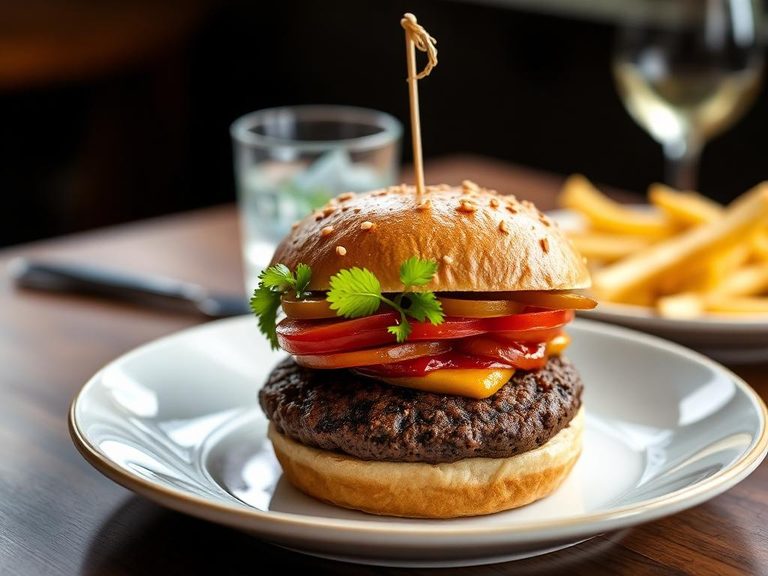
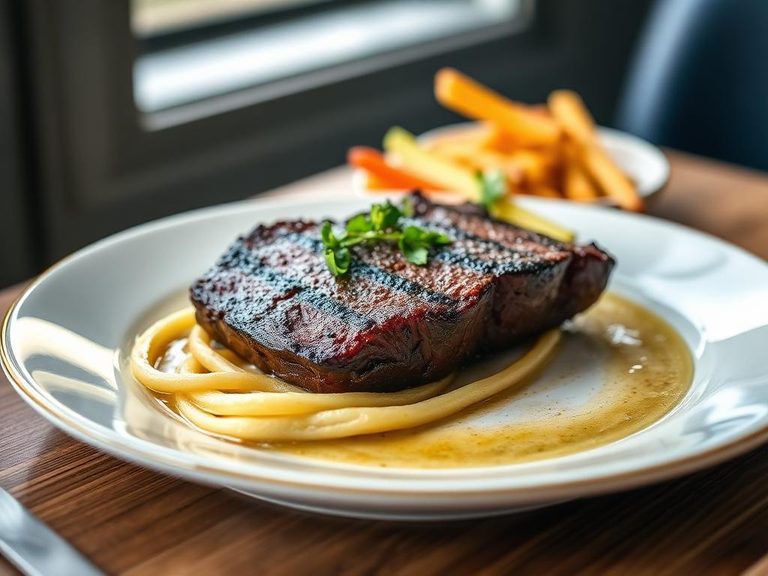
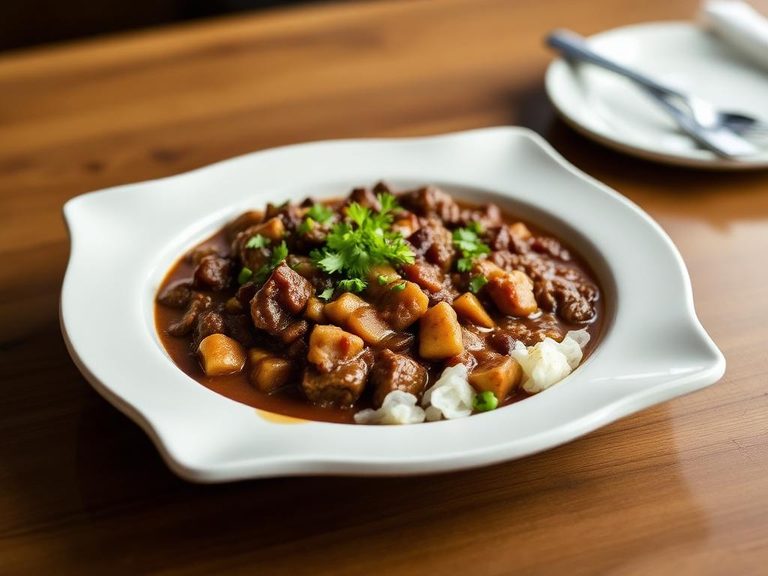
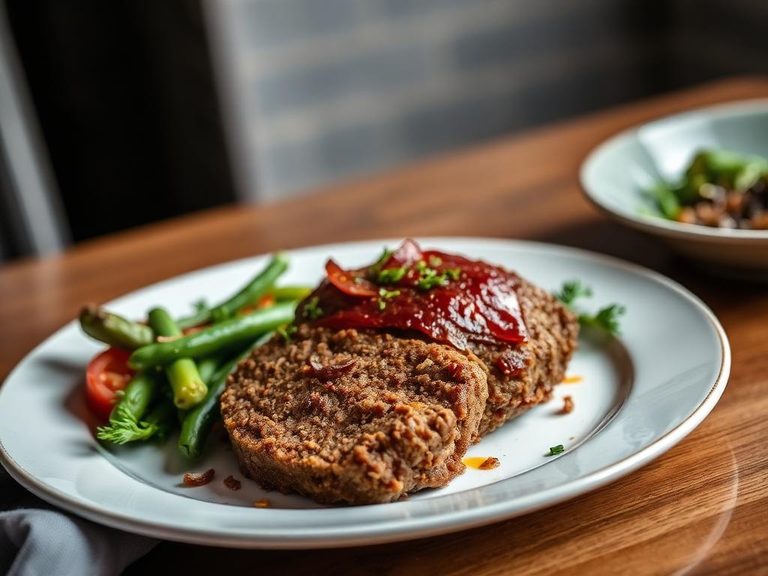
🍽️ Popular dishes
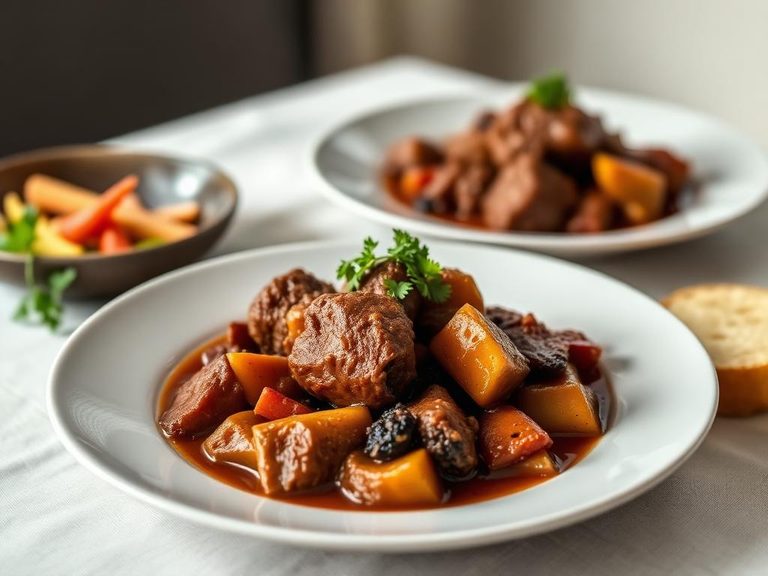
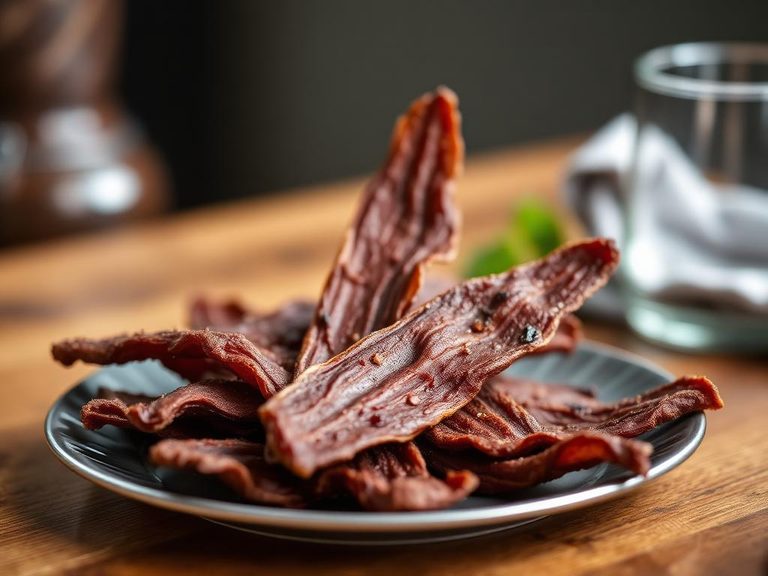
🌍 Where it's eaten
💡 Did you know?
Bison meat gets its vibrant red color from high levels of myoglobin, a protein that stores oxygen in muscle tissue, which is even more abundant than in beef due to the animal's active, free-roaming lifestyle.
Full nutrition (USDA data · scales with serving)
| Water | 74.6 g |
| Energy | 109 kcal |
| Energy | 456 kj |
| Protein | 21.6 g |
| Total lipid (fat) | 1.8 g |
| Ash | 1.2 g |
| Carbohydrate, by difference | 0.00 g |
| Fiber, total dietary | 0.00 g |
| Calcium, Ca | 6.0 mg |
| Iron, Fe | 2.6 mg |
| Magnesium, Mg | 25.0 mg |
| Phosphorus, P | 187 mg |
| Potassium, K | 343 mg |
| Sodium, Na | 54.0 mg |
| Zinc, Zn | 2.8 mg |
| Copper, Cu | 0.09 mg |
| Manganese, Mn | 0.01 mg |
| Selenium, Se | 27.0 ug |
| Vitamin C, total ascorbic acid | 0.00 mg |
| Riboflavin | 0.09 mg |
| Niacin | 1.9 mg |
| Vitamin A, RAE | 0.00 ug |
| Retinol | 0.00 ug |
| Vitamin A, IU | 0.00 iu |
Fat & fatty acid profile (per 100g)
| Fatty acids, total saturated | 0.69 g |
| SFA 14:0 | 0.02 g |
| SFA 16:0 | 0.33 g |
| SFA 18:0 | 0.35 g |
| Fatty acids, total monounsaturated | 0.72 g |
| MUFA 16:1 | 0.04 g |
| MUFA 18:1 | 0.67 g |
| Fatty acids, total polyunsaturated | 0.19 g |
| PUFA 18:2 | 0.11 g |
| PUFA 18:3 | 0.03 g |
| PUFA 20:4 | 0.05 g |
| Cholesterol | 62.0 mg |
Amino acid profile (per 100g)
| Threonine | 0.89 g |
| Isoleucine | 0.91 g |
| Leucine | 1.7 g |
| Lysine | 1.7 g |
| Methionine | 0.51 g |
| Phenylalanine | 0.81 g |
| Tyrosine | 0.69 g |
| Valine | 0.98 g |
| Arginine | 1.3 g |
| Histidine | 0.57 g |
| Alanine | 1.2 g |
| Aspartic acid | 1.9 g |
| Glutamic acid | 3.1 g |
| Glycine | 1.0 g |
| Proline | 0.86 g |
| Serine | 0.82 g |
FAQ
How does bison taste different from beef?
Bison has a slightly sweeter, richer flavor than beef but is very similar. The key difference is in the texture and fat: it's leaner, so it can taste 'cleaner' and less greasy.
What's the best way to cook bison to avoid it being tough?
The golden rule is to cook it at a lower temperature and for less time than beef. Use a meat thermometer and aim for an internal temperature of 135°F (57°C) for medium-rare. Always let it rest for 5-10 minutes after cooking.
Is bison meat healthier than beef?
Generally, yes. Bison is leaner, with less total fat and saturated fat, while providing comparable or higher amounts of protein, iron, and other essential nutrients.
Nutrient density (calculated · NRF9.3)
Nutrient Rich Foods index: beneficial nutrients (protein, fiber, vitamins, minerals) minus saturated fat, added sugar & sodium, per 100 kcal.
NRF9.3 index — Fulgoni, Keast & Drewnowski, 2009. Computed from USDA nutrients.
Weight-loss friendliness (composite index)
Energy density 1.09 kcal/g · 79% calories from protein · 0.0 g fiber · 0.0 g sugar per 100 g.
Composite of energy density (Rolls et al., 1999), protein & fiber satiety, minus sugar. A calculated heuristic — ranks satiety-per-calorie, not a clinical measure.
Dietary load (calculated from USDA values)
Potential renal acid load. Positive = acid-forming, negative = alkaline-forming.
Sodium-to-potassium ratio: 0.16 (lower is better — aim for ≤ 1)
Sodium:potassium per WHO potassium guidance. Computed from USDA nutrients.