

Fish, cusk, raw
Whole food · Finfish and Shellfish Products
Cusk, a cold-water relative of the cod family, offers firm, lean white flesh with a mild, slightly sweet flavor that becomes flaky and tender when cooked. Its near-zero fat and carbohydrate content make it a powerhouse of pure protein, delivering about 19 grams per 100-gram serving. The texture is denser than cod, holding up well to various cooking methods without falling apart.
Calorie split: 92% protein · 0% carbs · 8% fat
↓ Full nutrition💚 Why it's loved
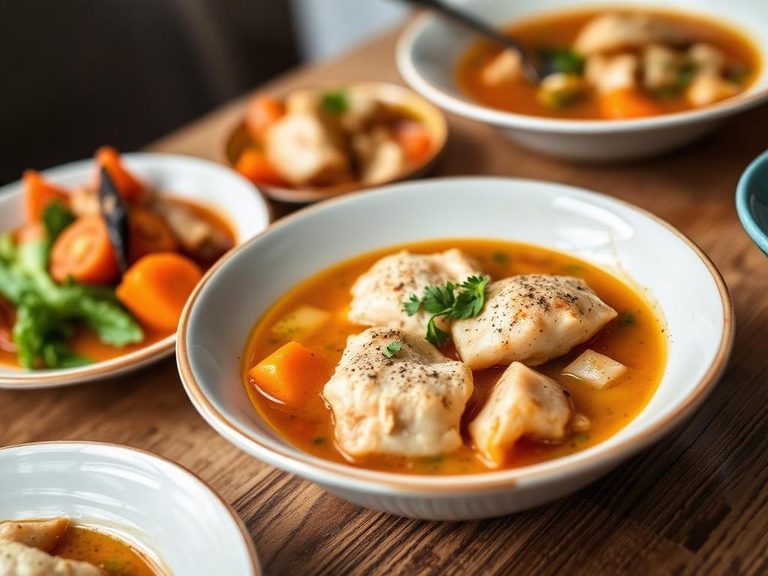
People appreciate cusk for its clean, mild taste that absorbs seasonings and sauces beautifully, making it a versatile canvas for both simple and complex preparations. Its firm texture is prized in dishes like chowders and stews where it maintains its shape, offering a satisfying, meaty bite without heaviness.
⚠️ Watch-outs & how to enjoy it better
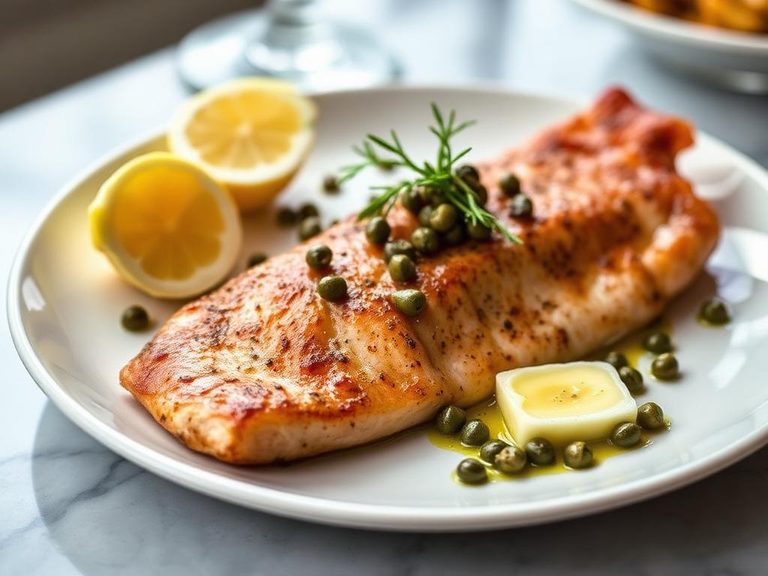
Cusk can be perceived as bland or dry if overcooked, as its low fat content means it lacks the richness of fattier fish like salmon or mackerel. To counteract this, it benefits from moist cooking methods like poaching, steaming, or baking in a sauce, and pairing with healthy fats like olive oil or avocado can enhance both flavor and nutrient absorption.
Key benefits
- Extremely high in lean protein, supporting muscle maintenance and satiety.
- Virtually fat-free and carbohydrate-free, ideal for low-fat or low-carb diets.
- Rich in essential minerals like phosphorus and selenium for bone and thyroid health.
- Low in calories, making it a nutrient-dense choice for weight management.
- Contains B vitamins, particularly niacin and B12, for energy metabolism.
🍽️ Popular dishes
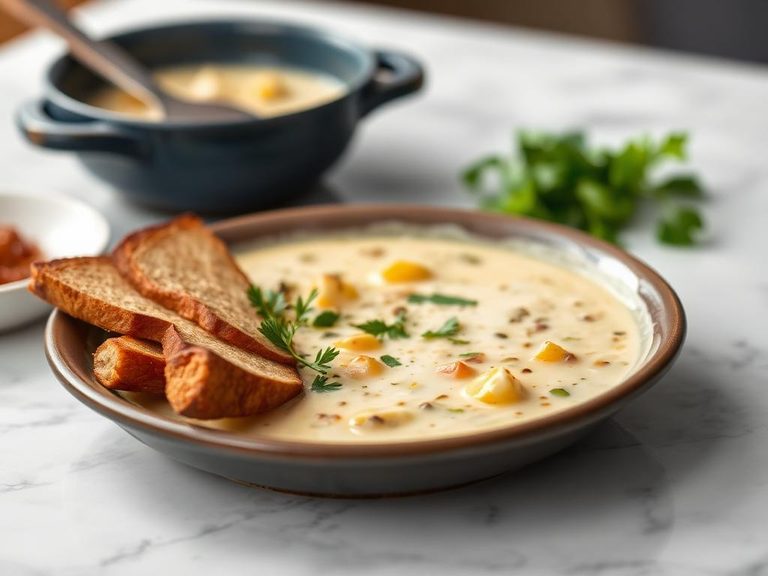
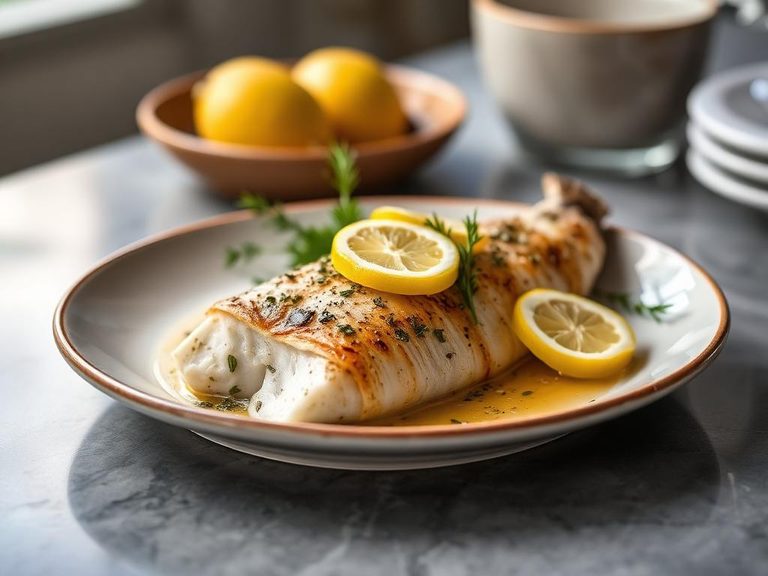
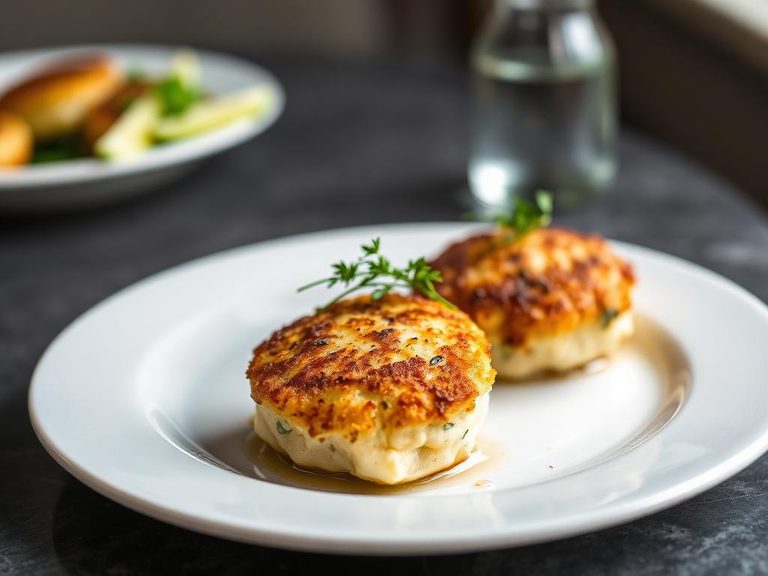
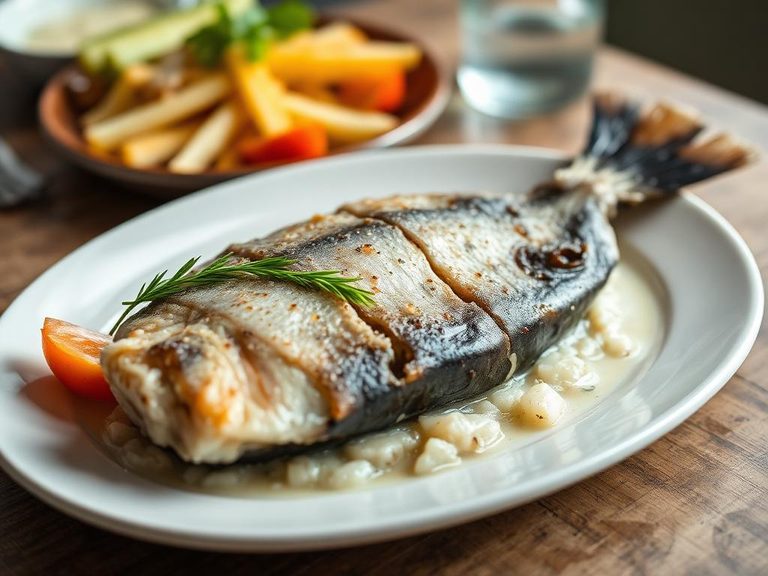
🌍 Where it's eaten
💡 Did you know?
Cusk is sometimes called 'ling cod' in certain regions, though it is not a true cod, and its liver is a traditional source of cod liver oil in some fisheries.
Full nutrition (USDA data · scales with serving)
| Water | 76.3 g |
| Energy | 87.0 kcal |
| Energy | 364 kj |
| Protein | 19.0 g |
| Total lipid (fat) | 0.69 g |
| Ash | 1.3 g |
| Carbohydrate, by difference | 0.00 g |
| Fiber, total dietary | 0.00 g |
| Calcium, Ca | 10.0 mg |
| Iron, Fe | 0.83 mg |
| Magnesium, Mg | 31.0 mg |
| Phosphorus, P | 204 mg |
| Potassium, K | 392 mg |
| Sodium, Na | 31.0 mg |
| Zinc, Zn | 0.38 mg |
| Copper, Cu | 0.02 mg |
| Manganese, Mn | 0.01 mg |
| Selenium, Se | 36.5 ug |
| Vitamin C, total ascorbic acid | 0.00 mg |
| Thiamin | 0.04 mg |
| Riboflavin | 0.13 mg |
| Niacin | 2.7 mg |
| Pantothenic acid | 0.28 mg |
| Vitamin B-6 | 0.39 mg |
| Folate, total | 2.0 ug |
| Folic acid | 0.00 ug |
| Folate, food | 2.0 ug |
| Folate, DFE | 2.0 ug |
| Vitamin B-12 | 1.0 ug |
| Vitamin A, RAE | 18.0 ug |
| Retinol | 18.0 ug |
| Vitamin A, IU | 60.0 iu |
Fat & fatty acid profile (per 100g)
| Fatty acids, total saturated | 0.13 g |
| Fatty acids, total monounsaturated | 0.09 g |
| Fatty acids, total polyunsaturated | 0.28 g |
| Cholesterol | 41.0 mg |
Amino acid profile (per 100g)
| Tryptophan | 0.21 g |
| Threonine | 0.83 g |
| Isoleucine | 0.88 g |
| Leucine | 1.5 g |
| Lysine | 1.7 g |
| Methionine | 0.56 g |
| Cystine | 0.20 g |
| Phenylalanine | 0.74 g |
| Tyrosine | 0.64 g |
| Valine | 0.98 g |
| Arginine | 1.1 g |
| Histidine | 0.56 g |
| Alanine | 1.1 g |
| Aspartic acid | 1.9 g |
| Glutamic acid | 2.8 g |
| Glycine | 0.91 g |
| Proline | 0.67 g |
| Serine | 0.78 g |
FAQ
Is cusk the same as cod?
No, cusk (Brosme brosme) is a distinct species in the cod family (Gadidae), but it is often sold as a substitute for cod due to its similar mild flavor and firm texture.
How do I prevent cusk from drying out?
Avoid overcooking; use moist-heat methods like poaching, steaming, or baking with a sauce or broth. Adding a small amount of fat, such as butter or olive oil, during cooking can also help retain moisture.
Is cusk safe for people with fish allergies?
Cusk is a fish and contains fish proteins, so it is not safe for individuals with fish allergies. Those with shellfish allergies may tolerate it, but cross-reactivity is possible; consult an allergist.
Nutrient density (calculated · NRF9.3)
Nutrient Rich Foods index: beneficial nutrients (protein, fiber, vitamins, minerals) minus saturated fat, added sugar & sodium, per 100 kcal.
NRF9.3 index — Fulgoni, Keast & Drewnowski, 2009. Computed from USDA nutrients.
Weight-loss friendliness (composite index)
Energy density 0.87 kcal/g · 87% calories from protein · 0.0 g fiber · 0.0 g sugar per 100 g.
Composite of energy density (Rolls et al., 1999), protein & fiber satiety, minus sugar. A calculated heuristic — ranks satiety-per-calorie, not a clinical measure.
Dietary load (calculated from USDA values)
Potential renal acid load. Positive = acid-forming, negative = alkaline-forming.
Sodium-to-potassium ratio: 0.08 (lower is better — aim for ≤ 1)
Sodium:potassium per WHO potassium guidance. Computed from USDA nutrients.