

Egg salad, made with light Italian dressing
Common food

Photo: Wikipedia
This is a light, tangy twist on classic egg salad, where hard-boiled eggs are bound not with mayonnaise, but with zesty Italian dressing. The result is a protein-rich, lower-fat mixture with a bright, herbaceous flavor and a slightly looser, more moist texture than its traditional counterpart. It's a smart, flavorful way to enjoy eggs with a significant protein boost and less saturated fat.
Calorie split: 29% protein · 9% carbs · 63% fat
↓ Full nutrition💚 Why it's loved
People love this version for its refreshing, zesty flavor that cuts through the richness of the eggs, making it feel lighter and more vibrant. It's also celebrated for its simplicity and versatility, easily transforming from a sandwich filling to a salad topping or a dip with vegetables.
⚠️ Watch-outs & how to enjoy it better
The primary concern is the sodium content, which can be high depending on the brand of Italian dressing used, potentially affecting those monitoring their salt intake. To counteract this, opt for a low-sodium dressing or make your own vinaigrette, and be mindful of portion size, pairing it with potassium-rich foods like spinach or avocado to help balance electrolytes.
Key benefits
- High in complete protein for muscle maintenance
- Lower in saturated fat than mayo-based versions
- Quick and easy no-cook preparation
- Rich in choline from egg yolks for brain health
- Versatile for low-carb or keto-friendly meals
🍽️ Popular dishes
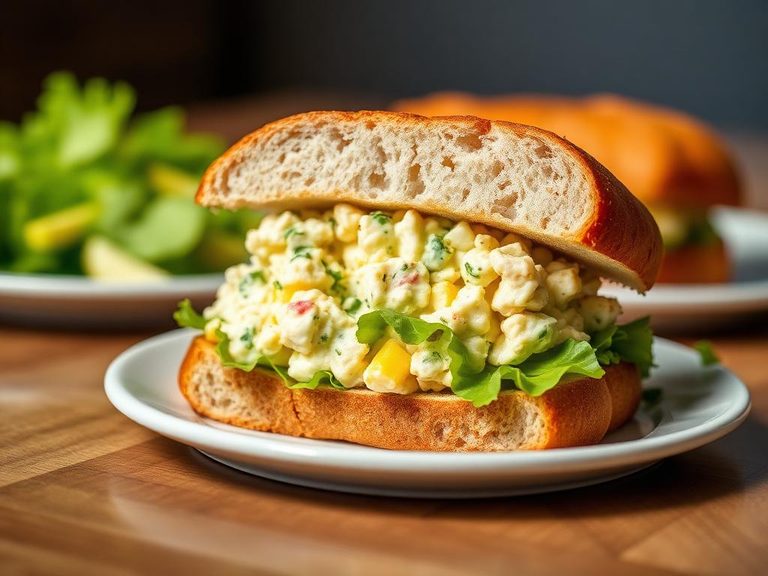
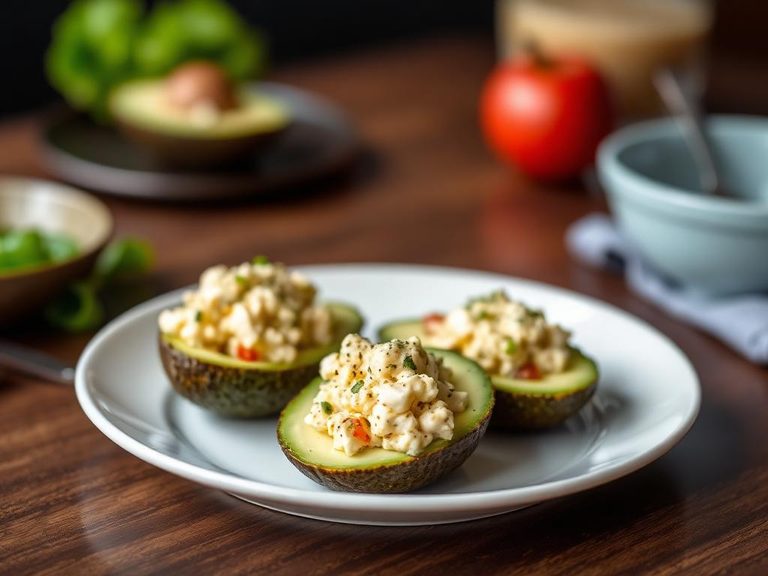
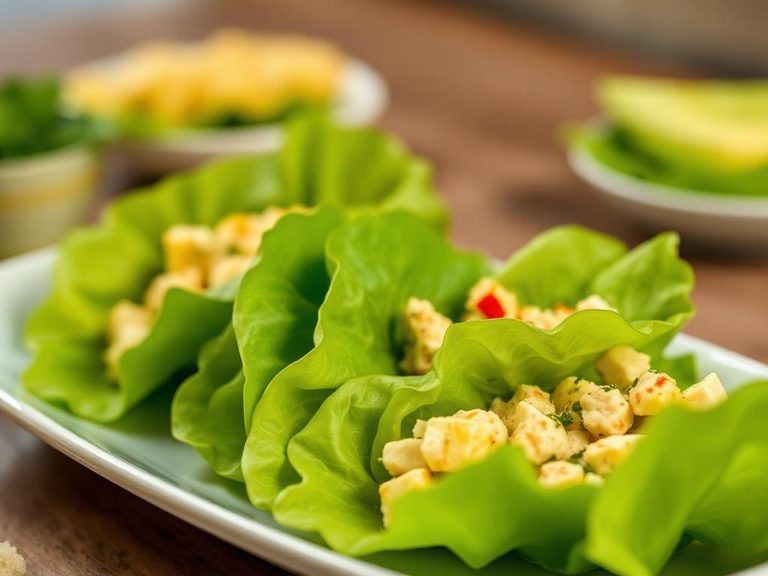
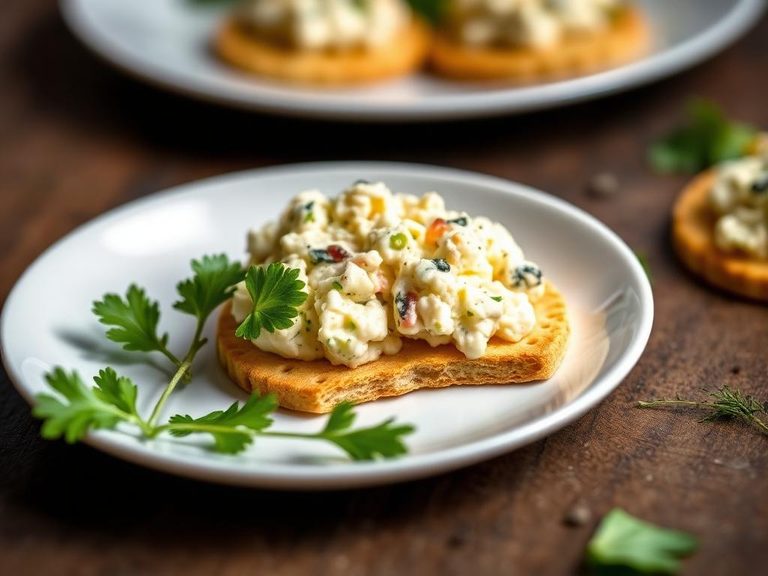
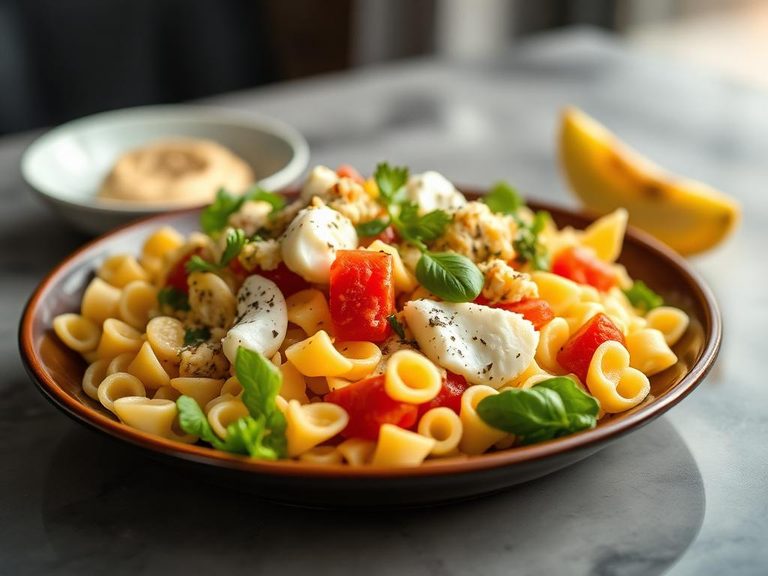
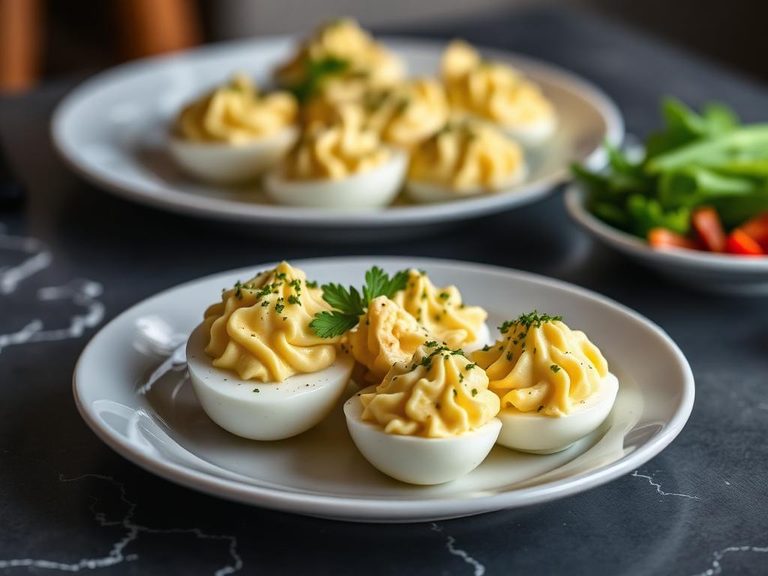
🌍 Where it's eaten
💡 Did you know?
Using Italian dressing instead of mayonnaise is a classic 'diet hack' that gained popularity in the 1970s and 80s, often associated with Weight Watchers and other early commercial diet programs for its lower calorie and fat count.
Full nutrition (USDA data · scales with serving)
| Water | 75.5 g |
| Energy | 143 kcal |
| Protein | 10.0 g |
| Total lipid (fat) | 9.7 g |
| Carbohydrate, by difference | 3.0 g |
| Fiber, total dietary | 0.00 g |
| Total Sugars | 2.8 g |
| Calcium, Ca | 43.0 mg |
| Iron, Fe | 0.99 mg |
| Magnesium, Mg | 9.0 mg |
| Phosphorus, P | 138 mg |
| Potassium, K | 118 mg |
| Sodium, Na | 437 mg |
| Zinc, Zn | 0.84 mg |
| Copper, Cu | 0.01 mg |
| Selenium, Se | 24.6 ug |
| Vitamin C, total ascorbic acid | 0.00 mg |
| Thiamin | 0.05 mg |
| Riboflavin | 0.41 mg |
| Niacin | 0.07 mg |
| Vitamin B-6 | 0.11 mg |
| Folate, total | 35.0 ug |
| Folic acid | 0.00 ug |
| Folate, food | 35.0 ug |
| Folate, DFE | 35.0 ug |
| Choline, total | 232 mg |
| Vitamin B-12 | 0.87 ug |
| Vitamin B-12, added | 0.00 ug |
| Vitamin A, RAE | 117 ug |
| Retinol | 116 ug |
| Carotene, beta | 10.0 ug |
| Carotene, alpha | 0.00 ug |
| Cryptoxanthin, beta | 8.0 ug |
| Lycopene | 0.00 ug |
| Lutein + zeaxanthin | 278 ug |
| Vitamin E (alpha-tocopherol) | 1.7 mg |
| Vitamin E, added | 0.00 mg |
| Vitamin D (D2 + D3) | 1.7 ug |
| Vitamin K (phylloquinone) | 2.9 ug |
| Alcohol, ethyl | 0.00 g |
| Caffeine | 0.00 mg |
| Theobromine | 0.00 mg |
Fat & fatty acid profile (per 100g)
| Fatty acids, total saturated | 2.7 g |
| SFA 4:0 | 0.00 g |
| SFA 6:0 | 0.00 g |
| SFA 8:0 | 0.00 g |
| SFA 10:0 | 0.00 g |
| SFA 12:0 | 0.00 g |
| SFA 14:0 | 0.03 g |
| SFA 16:0 | 2.0 g |
| SFA 18:0 | 0.70 g |
| Fatty acids, total monounsaturated | 3.6 g |
| MUFA 16:1 | 0.24 g |
| MUFA 18:1 | 3.3 g |
| MUFA 20:1 | 0.03 g |
| MUFA 22:1 | 0.00 g |
| Fatty acids, total polyunsaturated | 1.8 g |
| PUFA 18:2 | 1.5 g |
| PUFA 18:3 | 0.12 g |
| PUFA 18:4 | 0.00 g |
| PUFA 20:4 | 0.12 g |
| PUFA 20:5 n-3 (EPA) | 0.00 g |
| PUFA 22:5 n-3 (DPA) | 0.00 g |
| PUFA 22:6 n-3 (DHA) | 0.03 g |
| Cholesterol | 293 mg |
FAQ
Is egg salad with Italian dressing healthier than traditional egg salad?
Generally, yes. It typically contains significantly less fat and fewer calories than mayonnaise-based egg salad, while still providing the same high-quality protein and nutrients from the eggs. However, check the sodium content of your dressing.
Can I make this ahead of time?
Absolutely. Egg salad with Italian dressing can be made a day in advance and stored in an airtight container in the refrigerator. The flavors may meld and intensify slightly, which many people enjoy.
What can I use instead of Italian dressing?
You can use a variety of vinaigrettes, such as a simple olive oil and lemon juice mixture, a balsamic vinaigrette, or even a light ranch dressing for a different flavor profile. The key is to use a dressing that complements the eggs.
Nutrient density (calculated · NRF9.3)
Nutrient Rich Foods index: beneficial nutrients (protein, fiber, vitamins, minerals) minus saturated fat, added sugar & sodium, per 100 kcal.
NRF9.3 index — Fulgoni, Keast & Drewnowski, 2009. Computed from USDA nutrients.
Weight-loss friendliness (composite index)
Energy density 1.43 kcal/g · 28% calories from protein · 0.0 g fiber · 2.8 g sugar per 100 g.
Composite of energy density (Rolls et al., 1999), protein & fiber satiety, minus sugar. A calculated heuristic — ranks satiety-per-calorie, not a clinical measure.
Dietary load (calculated from USDA values)
Potential renal acid load. Positive = acid-forming, negative = alkaline-forming.
Sodium-to-potassium ratio: 3.70 (lower is better — aim for ≤ 1)
Sodium:potassium per WHO potassium guidance. Computed from USDA nutrients.