

Drumstick pods, cooked, boiled, drained, without salt
Whole food · Vegetables and Vegetable Products

Photo: Wikipedia
Drumstick pods, also known as moringa pods, are long, slender, green seed pods from the Moringa oleifera tree. When cooked and boiled, they develop a tender, slightly fibrous texture with a mild, earthy flavor reminiscent of asparagus or green beans. Nutritionally, they are a standout for their high fiber content (4.2g per 100g) and are a good source of plant-based protein.
Calorie split: 20% protein · 76% carbs · 4% fat
↓ Full nutrition💚 Why it's loved
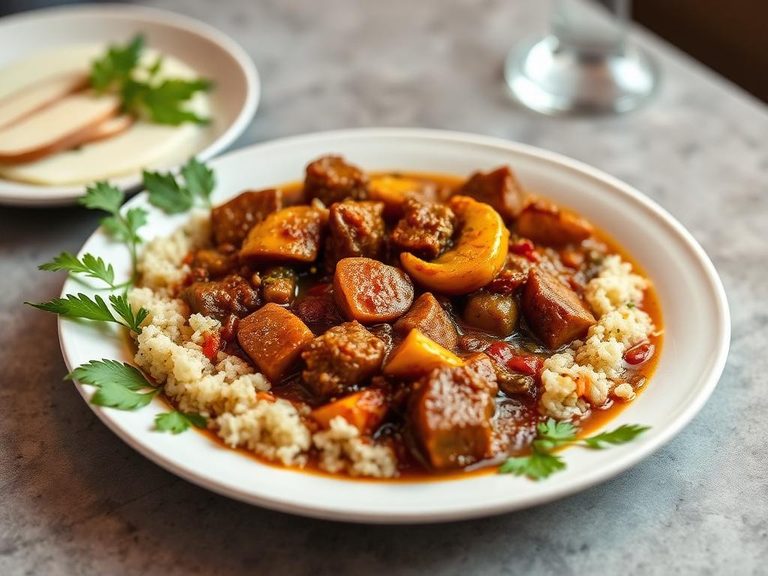
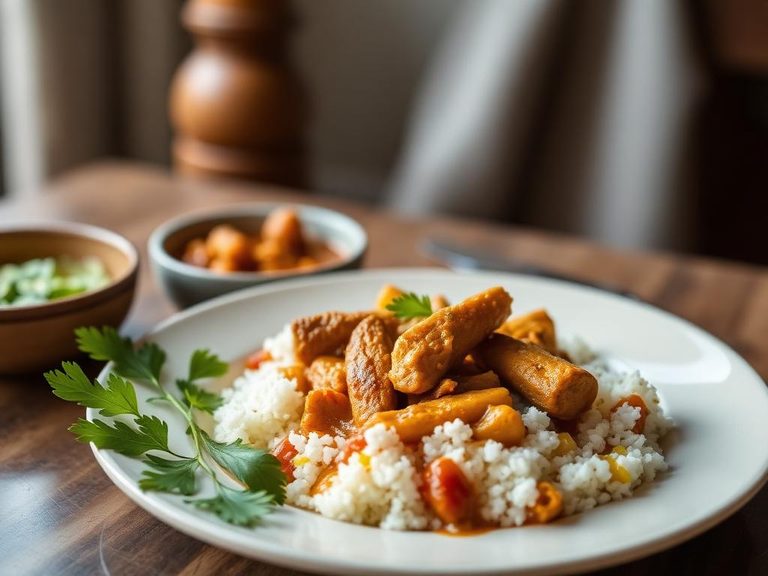
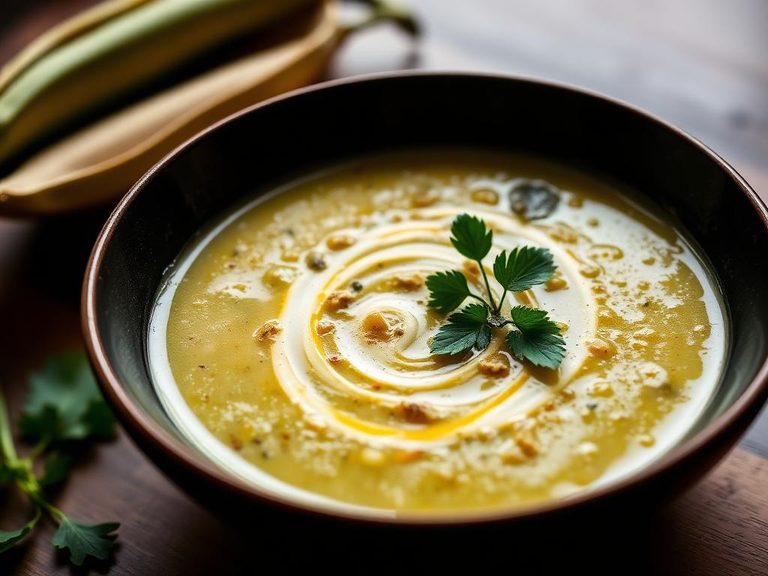
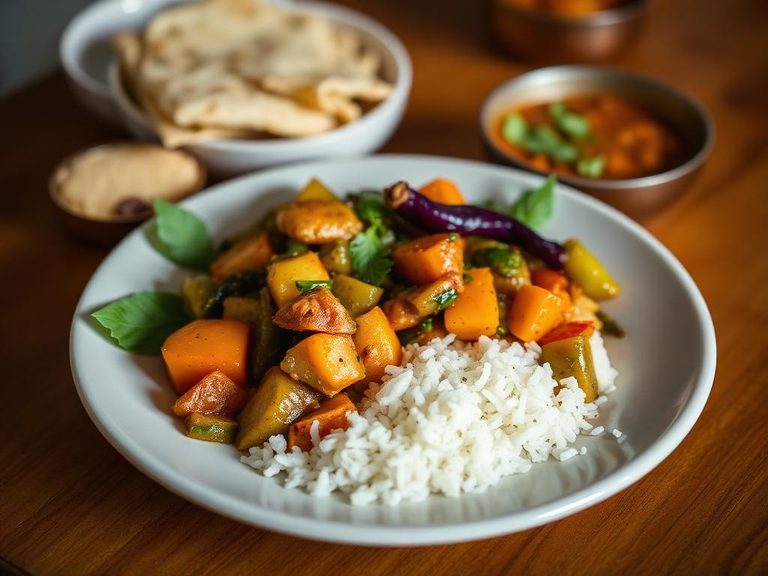
People love drumstick pods for their unique, savory flavor that absorbs spices beautifully in curries and stews. They are a beloved staple in South Asian and African cuisines, often cherished as a comforting, nutritious vegetable in family meals.
⚠️ Watch-outs & how to enjoy it better
The pods contain antinutrients like phytates and oxalates, which can slightly reduce mineral absorption and may be a concern for those prone to kidney stones. To counteract this, boiling them thoroughly (as specified) helps reduce these compounds. They are also high in fiber, so introducing them gradually can prevent digestive discomfort.
Key benefits
- Excellent source of dietary fiber for digestive health
- Provides plant-based protein with very low fat content
- Rich in essential minerals like potassium and magnesium
- Contains antioxidants like beta-carotene and quercetin
- Low in calories, making it suitable for weight management
🍽️ Popular dishes
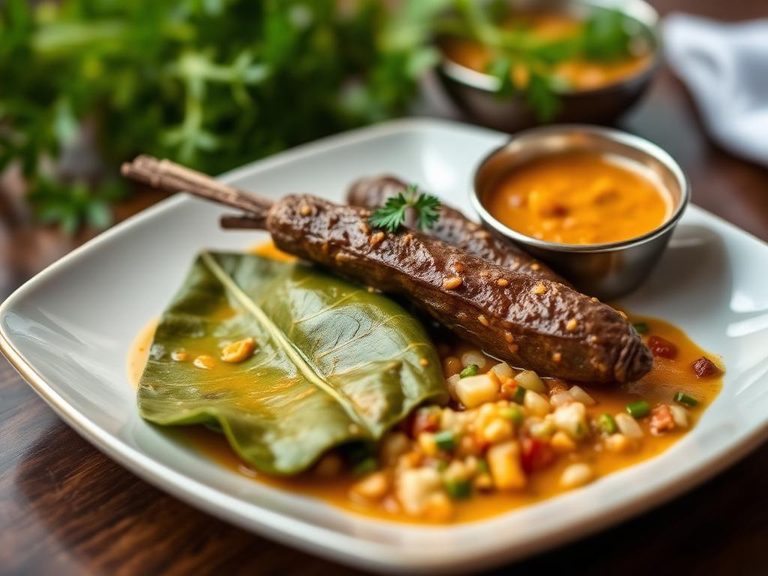
🌍 Where it's eaten
💡 Did you know?
The Moringa tree is often called the 'miracle tree' or 'tree of life' because almost every part of it—leaves, pods, seeds, flowers, and roots—is edible and used in traditional medicine or cooking.
Full nutrition (USDA data · scales with serving)
| Water | 88.4 g |
| Energy | 36.0 kcal |
| Energy | 151 kj |
| Protein | 2.1 g |
| Total lipid (fat) | 0.19 g |
| Ash | 1.1 g |
| Carbohydrate, by difference | 8.2 g |
| Fiber, total dietary | 4.2 g |
| Calcium, Ca | 20.0 mg |
| Iron, Fe | 0.45 mg |
| Magnesium, Mg | 42.0 mg |
| Phosphorus, P | 49.0 mg |
| Potassium, K | 457 mg |
| Sodium, Na | 43.0 mg |
| Zinc, Zn | 0.42 mg |
| Copper, Cu | 0.08 mg |
| Manganese, Mn | 0.24 mg |
| Selenium, Se | 0.70 ug |
| Vitamin C, total ascorbic acid | 97.0 mg |
| Thiamin | 0.05 mg |
| Riboflavin | 0.07 mg |
| Niacin | 0.59 mg |
| Pantothenic acid | 0.70 mg |
| Vitamin B-6 | 0.11 mg |
| Folate, total | 30.0 ug |
| Folic acid | 0.00 ug |
| Folate, food | 30.0 ug |
| Folate, DFE | 30.0 ug |
| Vitamin B-12 | 0.00 ug |
| Vitamin A, RAE | 4.0 ug |
| Retinol | 0.00 ug |
| Vitamin A, IU | 70.0 iu |
| Vitamin D (D2 + D3), International Units | 0.00 iu |
| Vitamin D (D2 + D3) | 0.00 ug |
| Alcohol, ethyl | 0.00 g |
Fat & fatty acid profile (per 100g)
| Fatty acids, total saturated | 0.03 g |
| SFA 4:0 | 0.00 g |
| SFA 6:0 | 0.00 g |
| SFA 8:0 | 0.00 g |
| SFA 10:0 | 0.00 g |
| SFA 12:0 | 0.00 g |
| SFA 14:0 | 0.00 g |
| SFA 16:0 | 0.01 g |
| SFA 18:0 | 0.01 g |
| Fatty acids, total monounsaturated | 0.10 g |
| MUFA 16:1 | 0.00 g |
| MUFA 18:1 | 0.10 g |
| MUFA 20:1 | 0.00 g |
| MUFA 22:1 | 0.00 g |
| Fatty acids, total polyunsaturated | 0.00 g |
| PUFA 18:2 | 0.00 g |
| PUFA 18:3 | 0.00 g |
| PUFA 18:4 | 0.00 g |
| PUFA 20:4 | 0.00 g |
| PUFA 20:5 n-3 (EPA) | 0.00 g |
| PUFA 22:5 n-3 (DPA) | 0.00 g |
| PUFA 22:6 n-3 (DHA) | 0.00 g |
| Fatty acids, total trans | 0.00 g |
| Cholesterol | 0.00 mg |
FAQ
What do cooked drumstick pods taste like?
They have a mild, earthy, slightly sweet flavor similar to asparagus or green beans, with a tender yet slightly fibrous texture.
Are drumstick pods the same as drumstick leaves (moringa leaves)?
No, they come from the same Moringa oleifera tree but are different parts. The pods are the seed-containing fruit, while the leaves are the foliage; both are edible and nutritious.
How do I prepare drumstick pods for cooking?
Typically, you trim the ends and tough outer skin, then cut them into 2-3 inch segments. Boiling or steaming them before adding to dishes helps soften them and reduce antinutrients.
Nutrient density (calculated · NRF9.3)
Nutrient Rich Foods index: beneficial nutrients (protein, fiber, vitamins, minerals) minus saturated fat, added sugar & sodium, per 100 kcal.
NRF9.3 index — Fulgoni, Keast & Drewnowski, 2009. Computed from USDA nutrients.
Weight-loss friendliness (composite index)
Energy density 0.36 kcal/g · 23% calories from protein · 4.2 g fiber · 0.0 g sugar per 100 g.
Composite of energy density (Rolls et al., 1999), protein & fiber satiety, minus sugar. A calculated heuristic — ranks satiety-per-calorie, not a clinical measure.
Dietary load (calculated from USDA values)
Potential renal acid load. Positive = acid-forming, negative = alkaline-forming.
Sodium-to-potassium ratio: 0.09 (lower is better — aim for ≤ 1)
Sodium:potassium per WHO potassium guidance. Computed from USDA nutrients.