

Cowpeas (blackeyes), immature seeds, raw
Whole food · Vegetables and Vegetable Products

Photo: Wikipedia
Immature black-eyed peas, or cowpeas, are small, cream-colored beans with a distinctive black spot. Eaten raw, they have a crisp, starchy texture and a mild, slightly earthy flavor reminiscent of fresh green peas. Nutritionally, they are a standout source of plant-based fiber and complex carbohydrates.
Calorie split: 13% protein · 83% carbs · 3% fat
↓ Full nutrition💚 Why it's loved
People love them for their versatility and mild flavor, which easily absorbs seasonings. They are a cultural staple in many cuisines, symbolizing good luck in the American South and forming the base of beloved dishes worldwide.
⚠️ Watch-outs & how to enjoy it better
Raw cowpeas contain lectins and phytic acid, which can cause digestive discomfort if not properly prepared. They are also high in carbohydrates, which may affect blood sugar levels for some. To counteract, always cook them thoroughly to neutralize antinutrients, and pair with a source of fat or protein to slow carbohydrate absorption.
Key benefits
- High in dietary fiber for digestive health.
- Provides plant-based protein.
- Low in fat and a good source of complex carbohydrates.
- Contains essential minerals like folate and manganese.
🍽️ Popular dishes
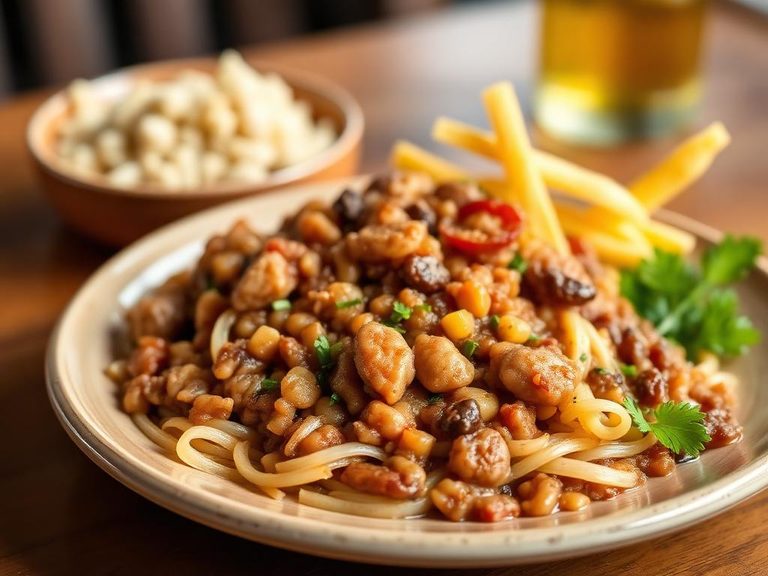
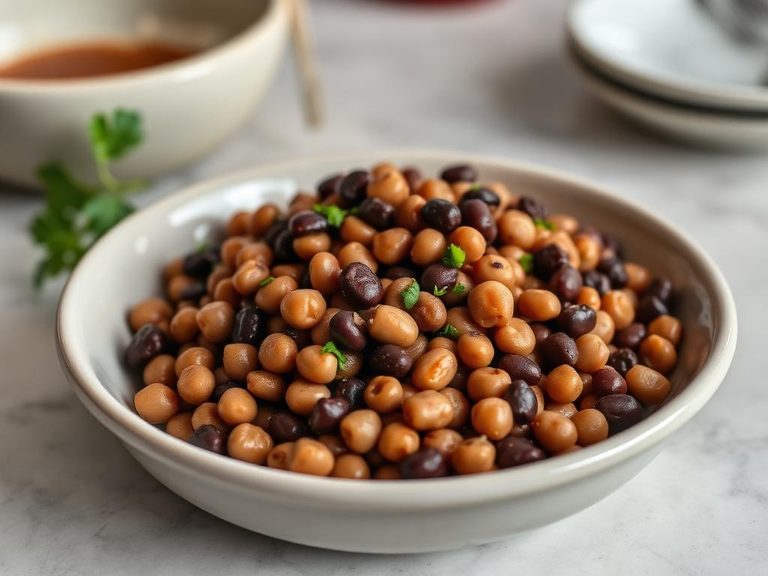
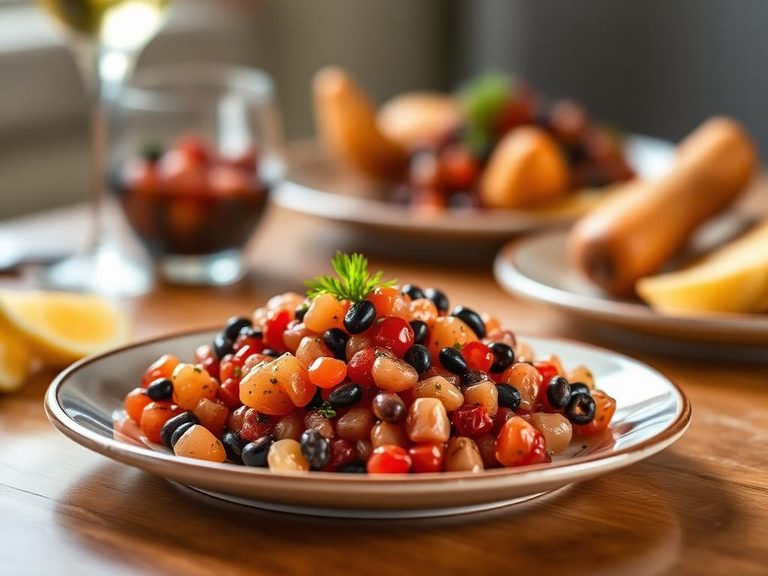
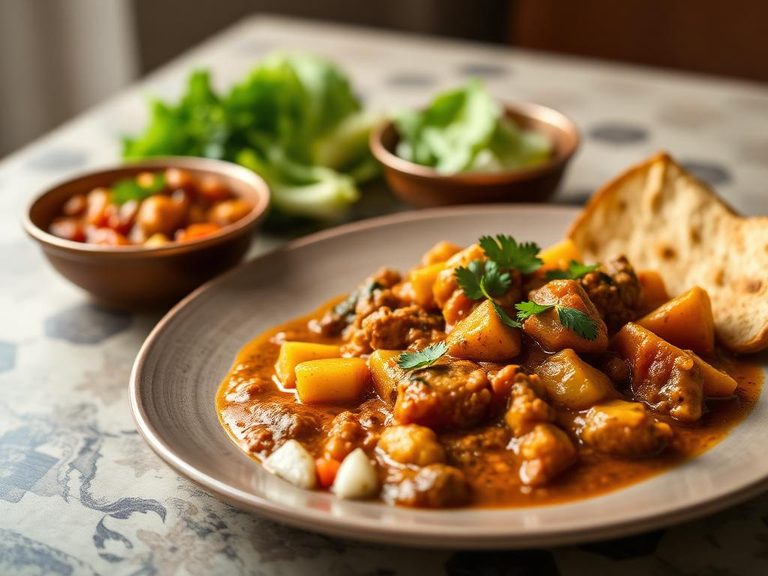

🌍 Where it's eaten
💡 Did you know?
Black-eyed peas are traditionally eaten on New Year's Day in the American South for good luck, often served with collard greens (for wealth) and cornbread (for gold).
Full nutrition (USDA data · scales with serving)
| Water | 77.2 g |
| Energy | 90.0 kcal |
| Energy | 376 kj |
| Protein | 3.0 g |
| Total lipid (fat) | 0.35 g |
| Ash | 0.67 g |
| Carbohydrate, by difference | 18.8 g |
| Fiber, total dietary | 5.0 g |
| Total Sugars | 3.0 g |
| Calcium, Ca | 126 mg |
| Iron, Fe | 1.1 mg |
| Magnesium, Mg | 51.0 mg |
| Phosphorus, P | 53.0 mg |
| Potassium, K | 431 mg |
| Sodium, Na | 4.0 mg |
| Zinc, Zn | 1.0 mg |
| Copper, Cu | 0.13 mg |
| Manganese, Mn | 0.56 mg |
| Selenium, Se | 2.3 ug |
| Vitamin C, total ascorbic acid | 2.5 mg |
| Thiamin | 0.11 mg |
| Riboflavin | 0.14 mg |
| Niacin | 1.4 mg |
| Pantothenic acid | 0.15 mg |
| Vitamin B-6 | 0.07 mg |
| Folate, total | 168 ug |
| Folic acid | 0.00 ug |
| Folate, food | 168 ug |
| Folate, DFE | 168 ug |
| Vitamin B-12 | 0.00 ug |
| Vitamin A, RAE | 41.0 ug |
| Retinol | 0.00 ug |
| Vitamin A, IU | 817 iu |
| Vitamin D (D2 + D3), International Units | 0.00 iu |
| Vitamin D (D2 + D3) | 0.00 ug |
Fat & fatty acid profile (per 100g)
| Fatty acids, total saturated | 0.09 g |
| SFA 14:0 | 0.00 g |
| SFA 16:0 | 0.08 g |
| SFA 18:0 | 0.01 g |
| Fatty acids, total monounsaturated | 0.03 g |
| MUFA 16:1 | 0.00 g |
| MUFA 18:1 | 0.02 g |
| MUFA 22:1 | 0.01 g |
| Fatty acids, total polyunsaturated | 0.15 g |
| PUFA 18:2 | 0.09 g |
| PUFA 18:3 | 0.06 g |
| Fatty acids, total trans | 0.00 g |
| Cholesterol | 0.00 mg |
Amino acid profile (per 100g)
| Tryptophan | 0.03 g |
| Threonine | 0.11 g |
| Isoleucine | 0.16 g |
| Leucine | 0.21 g |
| Lysine | 0.19 g |
| Methionine | 0.04 g |
| Cystine | 0.04 g |
| Phenylalanine | 0.16 g |
| Tyrosine | 0.12 g |
| Valine | 0.17 g |
| Arginine | 0.21 g |
| Histidine | 0.10 g |
FAQ
Are raw black-eyed peas safe to eat?
While some recipes call for them, it's not recommended. Raw legumes contain lectins and other compounds that can cause nausea and digestive upset. Cooking thoroughly is essential for safety and digestibility.
How do I store fresh, immature black-eyed peas?
Store them unwashed in a perforated plastic bag in the refrigerator's crisper drawer. Use them within 3-5 days for the best texture and flavor, as they can become starchy and tough.
What's the difference between black-eyed peas and regular peas?
Despite the name, they are not true peas (Pisum sativum). Black-eyed peas are a type of cowpea (Vigna unguiculata), belonging to the legume family, and have a distinct bean-like flavor and texture.
Nutrient density (calculated · NRF9.3)
Nutrient Rich Foods index: beneficial nutrients (protein, fiber, vitamins, minerals) minus saturated fat, added sugar & sodium, per 100 kcal.
NRF9.3 index — Fulgoni, Keast & Drewnowski, 2009. Computed from USDA nutrients.
Weight-loss friendliness (composite index)
Energy density 0.90 kcal/g · 13% calories from protein · 5.0 g fiber · 3.0 g sugar per 100 g.
Composite of energy density (Rolls et al., 1999), protein & fiber satiety, minus sugar. A calculated heuristic — ranks satiety-per-calorie, not a clinical measure.
Dietary load (calculated from USDA values)
Potential renal acid load. Positive = acid-forming, negative = alkaline-forming.
Sodium-to-potassium ratio: 0.01 (lower is better — aim for ≤ 1)
Sodium:potassium per WHO potassium guidance. Computed from USDA nutrients.