

Corn grain, white
Whole food · Cereal Grains and Pasta
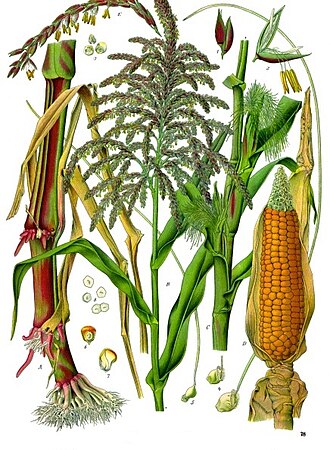
Photo: Wikipedia
White corn grain is a starchy, mildly sweet staple with a satisfying, slightly chewy texture when cooked. It provides a dense source of carbohydrate energy, with a notable 9.42g of protein per 100g, making it a more substantial grain than many realize. Its neutral, earthy flavor serves as a versatile canvas for both savory and sweet preparations across global cuisines.
Calorie split: 10% protein · 79% carbs · 11% fat
↓ Full nutrition💚 Why it's loved
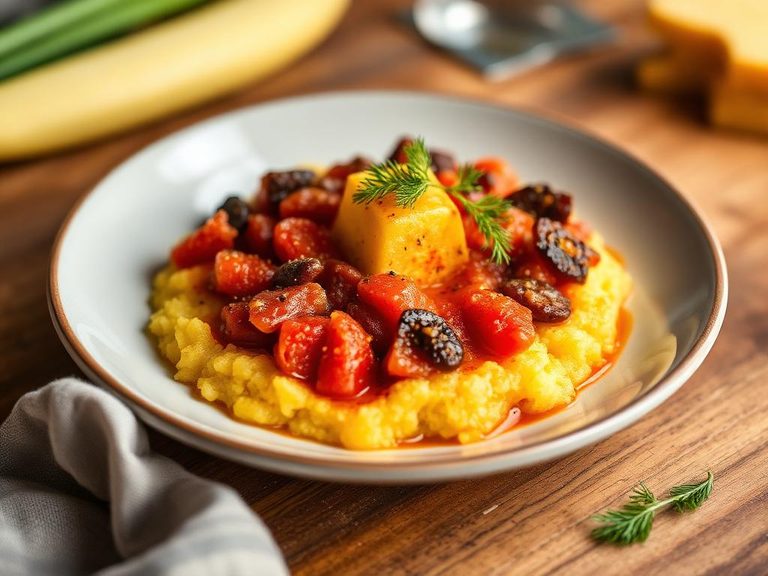
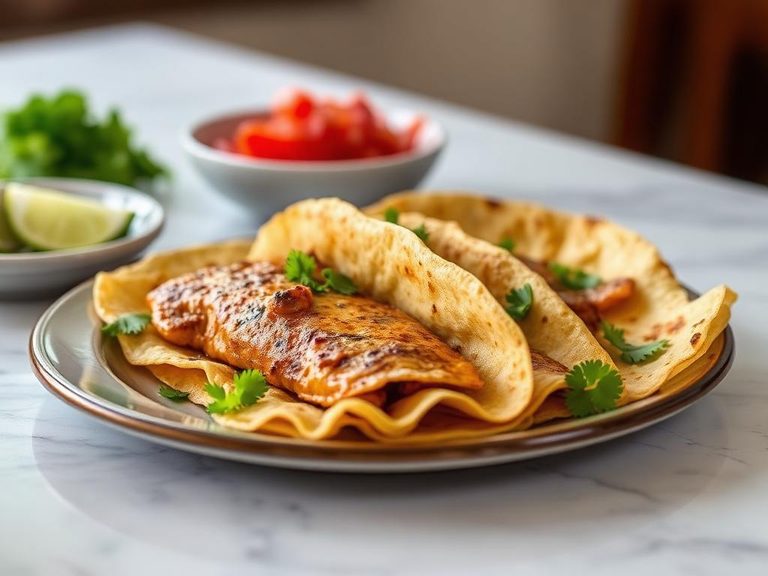
People love white corn for its comforting, subtly sweet flavor and its incredible versatility, transforming from a hearty porridge to a crunchy snack. It's deeply woven into cultural traditions, from Mexican tortillas to Italian polenta, symbolizing sustenance and community.
⚠️ Watch-outs & how to enjoy it better
Its high carbohydrate content can cause blood sugar spikes, especially when processed or eaten in large portions. To counteract this, pair it with protein (like beans or cheese) and healthy fats (like avocado or olive oil) to slow digestion. Also, opt for whole-kernel preparations over refined cornmeal to retain more fiber.
Key benefits
- High in complex carbohydrates for sustained energy
- Good source of plant-based protein
- Contains essential minerals like magnesium and phosphorus
- Gluten-free, suitable for celiac diets
- Rich in antioxidants like lutein and zeaxanthin
🍽️ Popular dishes

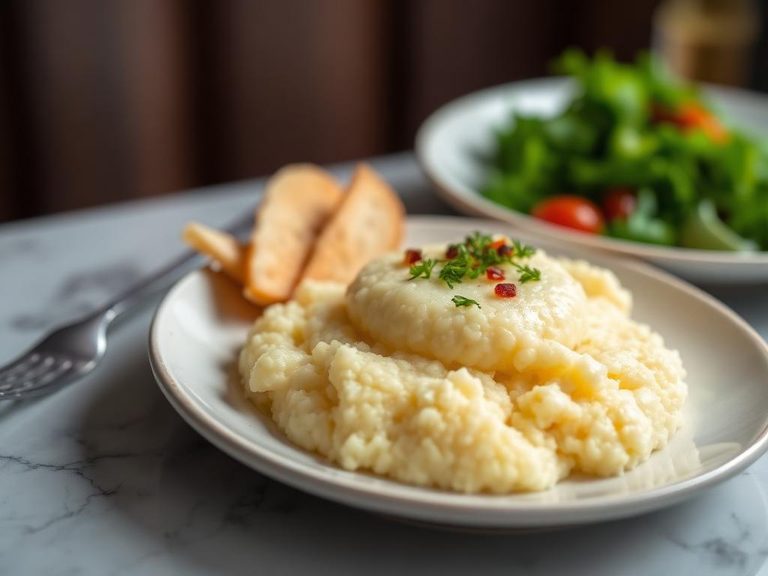
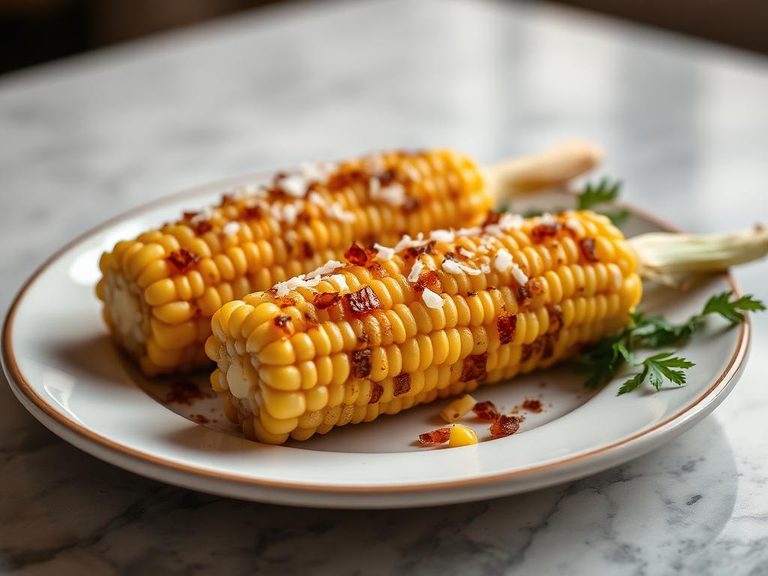
🌍 Where it's eaten
💡 Did you know?
The genetic code of white corn contains the same number of genes as the human genome, making it one of the most genetically complex staple crops in the world.
Full nutrition (USDA data · scales with serving)
| Water | 10.4 g |
| Energy | 365 kcal |
| Energy | 1527 kj |
| Protein | 9.4 g |
| Total lipid (fat) | 4.7 g |
| Ash | 1.2 g |
| Carbohydrate, by difference | 74.3 g |
| Calcium, Ca | 7.0 mg |
| Iron, Fe | 2.7 mg |
| Magnesium, Mg | 127 mg |
| Phosphorus, P | 210 mg |
| Potassium, K | 287 mg |
| Sodium, Na | 35.0 mg |
| Zinc, Zn | 2.2 mg |
| Copper, Cu | 0.31 mg |
| Manganese, Mn | 0.48 mg |
| Selenium, Se | 15.5 ug |
| Vitamin C, total ascorbic acid | 0.00 mg |
| Thiamin | 0.39 mg |
| Riboflavin | 0.20 mg |
| Niacin | 3.6 mg |
| Pantothenic acid | 0.42 mg |
| Vitamin B-6 | 0.62 mg |
| Vitamin B-12 | 0.00 ug |
| Vitamin B-12, added | 0.00 ug |
| Vitamin A, RAE | 0.00 ug |
| Retinol | 0.00 ug |
| Vitamin A, IU | 0.00 iu |
| Vitamin D (D2 + D3), International Units | 0.00 iu |
| Vitamin D (D2 + D3) | 0.00 ug |
Fat & fatty acid profile (per 100g)
| Fatty acids, total saturated | 0.67 g |
| SFA 16:0 | 0.57 g |
| SFA 18:0 | 0.07 g |
| Fatty acids, total monounsaturated | 1.3 g |
| MUFA 16:1 | 0.00 g |
| MUFA 18:1 | 1.2 g |
| Fatty acids, total polyunsaturated | 2.2 g |
| PUFA 18:2 | 2.1 g |
| PUFA 18:3 | 0.07 g |
| Cholesterol | 0.00 mg |
Amino acid profile (per 100g)
| Tryptophan | 0.07 g |
| Threonine | 0.35 g |
| Isoleucine | 0.34 g |
| Leucine | 1.2 g |
| Lysine | 0.27 g |
| Methionine | 0.20 g |
| Cystine | 0.17 g |
| Phenylalanine | 0.46 g |
| Tyrosine | 0.38 g |
| Valine | 0.48 g |
| Arginine | 0.47 g |
| Histidine | 0.29 g |
| Alanine | 0.70 g |
| Aspartic acid | 0.66 g |
| Glutamic acid | 1.8 g |
| Glycine | 0.39 g |
| Proline | 0.82 g |
| Serine | 0.45 g |
FAQ
Is white corn the same as sweet corn?
No. White corn is typically a starchy field corn used for grinding into flour or meal, while sweet corn is harvested young and eaten as a vegetable. They have different textures and sugar content.
Can I eat white corn if I'm gluten-free?
Yes, white corn is naturally gluten-free. However, always check labels for cross-contamination if you have celiac disease, especially with processed corn products.
How does white corn compare nutritionally to yellow corn?
White corn is slightly lower in calories and carbs but has a similar protein content. Yellow corn is richer in beta-carotene (vitamin A), while white corn may have more antioxidants like lutein.
Nutrient density (calculated · NRF9.3)
Nutrient Rich Foods index: beneficial nutrients (protein, fiber, vitamins, minerals) minus saturated fat, added sugar & sodium, per 100 kcal.
NRF9.3 index — Fulgoni, Keast & Drewnowski, 2009. Computed from USDA nutrients.
Weight-loss friendliness (composite index)
Energy density 3.65 kcal/g · 10% calories from protein · 0.0 g fiber · 0.0 g sugar per 100 g.
Composite of energy density (Rolls et al., 1999), protein & fiber satiety, minus sugar. A calculated heuristic — ranks satiety-per-calorie, not a clinical measure.
Dietary load (calculated from USDA values)
Potential renal acid load. Positive = acid-forming, negative = alkaline-forming.
Sodium-to-potassium ratio: 0.12 (lower is better — aim for ≤ 1)
Sodium:potassium per WHO potassium guidance. Computed from USDA nutrients.