

Chocolate candy, peanut butter filled
Common food
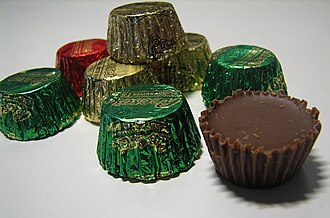
Photo: Wikipedia
A classic confection featuring a smooth, salty-sweet peanut butter center encased in a rich milk chocolate shell. The texture is a delightful contrast between the creamy, slightly dense filling and the firm, snapping chocolate coating. Nutritionally, it's a dense energy source, primarily from fats and sugars, with a modest protein contribution from the peanut butter.
Calorie split: 6% protein · 50% carbs · 44% fat
↓ Full nutrition💚 Why it's loved
People love the perfect marriage of sweet chocolate and savory, nutty peanut butter, a flavor combination that's both nostalgic and deeply satisfying. It's a convenient, portable treat often associated with childhood, movie snacks, and quick energy boosts.
⚠️ Watch-outs & how to enjoy it better
This candy is very high in added sugars and saturated fats, which can contribute to blood-sugar spikes and is not ideal for frequent consumption. Those with peanut or tree nut allergies must avoid it entirely. To mitigate, enjoy a single piece as an occasional treat, ideally alongside a source of fiber or protein (like an apple or yogurt) to help blunt the glycemic response.
Key benefits
- Quick source of energy and calories
- Provides some plant-based protein from peanuts
- Contains small amounts of iron and magnesium
- A popular comfort food for mood and morale
🍽️ Popular dishes
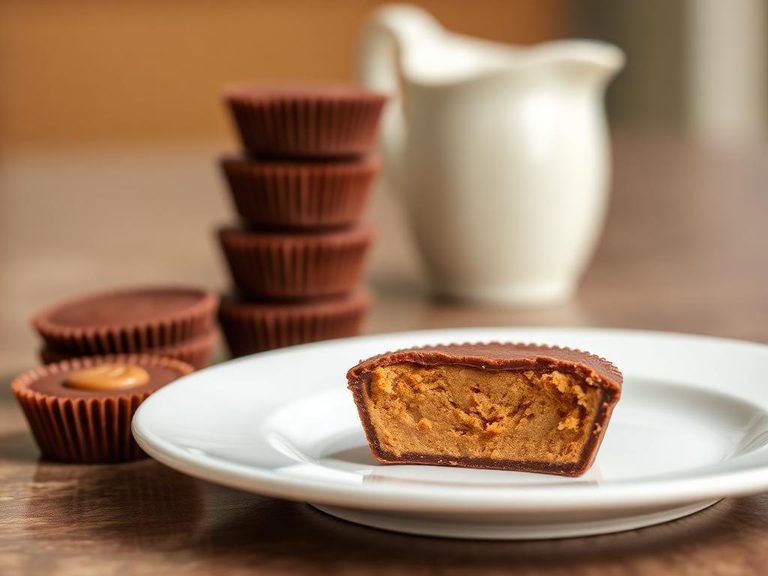
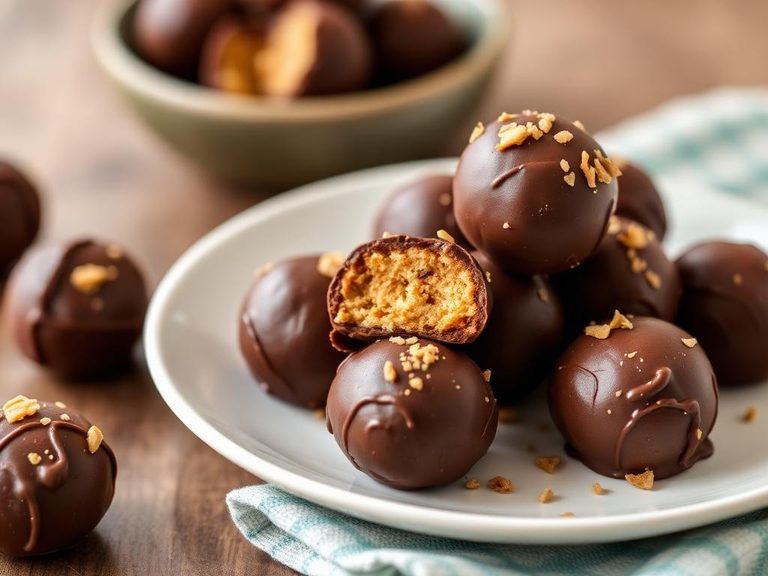
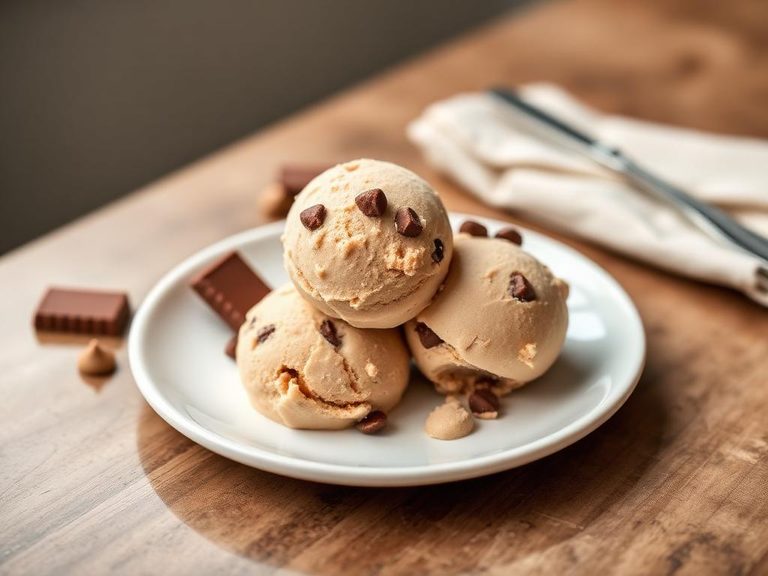
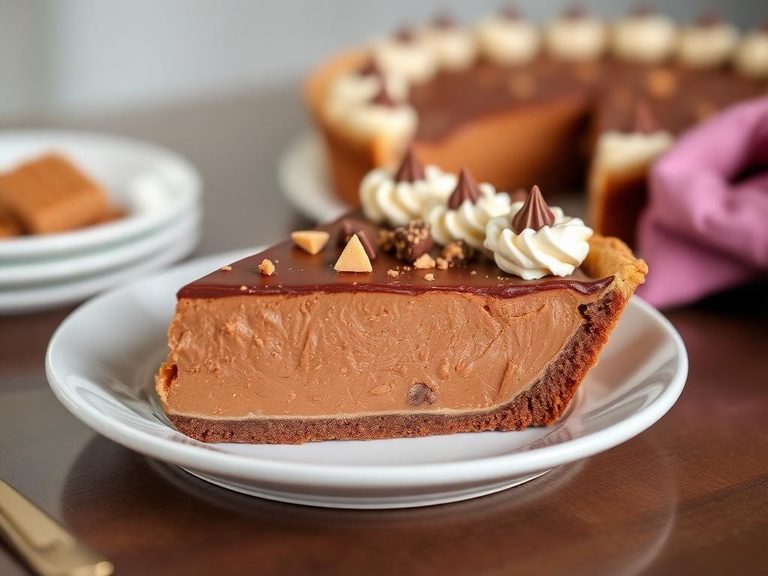
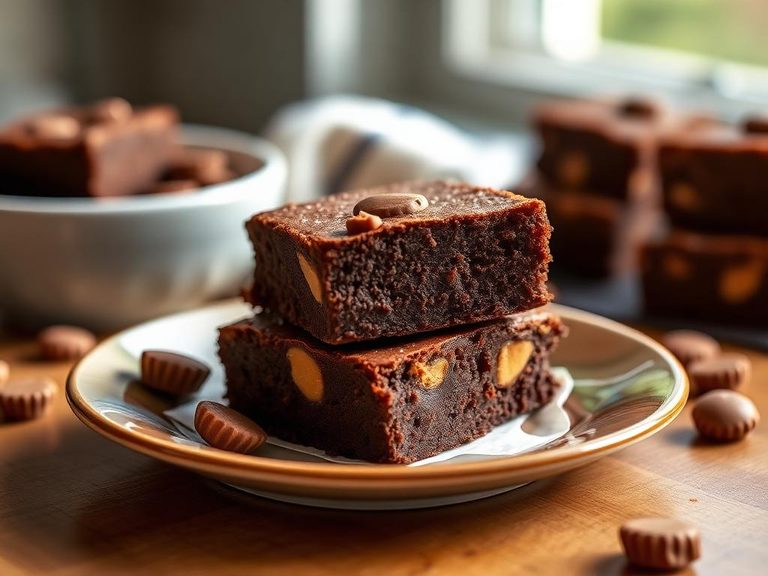
🌍 Where it's eaten
💡 Did you know?
The peanut butter cup was patented in 1941, but the iconic Reese's brand, which popularized it, was founded by a former dairy farmer and Hershey's employee who used Hershey's chocolate in his recipe.
Full nutrition (USDA data · scales with serving)
| Water | 1.3 g |
| Energy | 487 kcal |
| Protein | 7.8 g |
| Total lipid (fat) | 24.7 g |
| Carbohydrate, by difference | 64.1 g |
| Fiber, total dietary | 2.8 g |
| Total Sugars | 46.5 g |
| Calcium, Ca | 57.0 mg |
| Iron, Fe | 1.0 mg |
| Magnesium, Mg | 55.0 mg |
| Phosphorus, P | 129 mg |
| Potassium, K | 282 mg |
| Sodium, Na | 294 mg |
| Zinc, Zn | 1.1 mg |
| Copper, Cu | 0.22 mg |
| Selenium, Se | 2.2 ug |
| Vitamin C, total ascorbic acid | 0.20 mg |
| Thiamin | 0.14 mg |
| Riboflavin | 0.09 mg |
| Niacin | 3.6 mg |
| Vitamin B-6 | 0.08 mg |
| Folate, total | 39.0 ug |
| Folic acid | 0.00 ug |
| Folate, food | 39.0 ug |
| Folate, DFE | 39.0 ug |
| Choline, total | 25.2 mg |
| Vitamin B-12 | 0.15 ug |
| Vitamin B-12, added | 0.00 ug |
| Vitamin A, RAE | 8.0 ug |
| Retinol | 8.0 ug |
| Carotene, beta | 0.00 ug |
| Carotene, alpha | 0.00 ug |
| Cryptoxanthin, beta | 0.00 ug |
| Lycopene | 0.00 ug |
| Lutein + zeaxanthin | 1.0 ug |
| Vitamin E (alpha-tocopherol) | 0.94 mg |
| Vitamin E, added | 0.00 mg |
| Vitamin D (D2 + D3) | 0.00 ug |
| Vitamin K (phylloquinone) | 2.1 ug |
| Alcohol, ethyl | 0.00 g |
| Caffeine | 4.0 mg |
| Theobromine | 54.0 mg |
Fat & fatty acid profile (per 100g)
| Fatty acids, total saturated | 10.1 g |
| SFA 4:0 | 0.14 g |
| SFA 6:0 | 0.06 g |
| SFA 8:0 | 0.17 g |
| SFA 10:0 | 0.19 g |
| SFA 12:0 | 2.2 g |
| SFA 14:0 | 0.89 g |
| SFA 16:0 | 3.6 g |
| SFA 18:0 | 2.7 g |
| Fatty acids, total monounsaturated | 9.1 g |
| MUFA 16:1 | 0.04 g |
| MUFA 18:1 | 8.8 g |
| MUFA 20:1 | 0.21 g |
| MUFA 22:1 | 0.00 g |
| Fatty acids, total polyunsaturated | 4.3 g |
| PUFA 18:2 | 4.3 g |
| PUFA 18:3 | 0.01 g |
| PUFA 18:4 | 0.00 g |
| PUFA 20:4 | 0.00 g |
| PUFA 20:5 n-3 (EPA) | 0.00 g |
| PUFA 22:5 n-3 (DPA) | 0.00 g |
| PUFA 22:6 n-3 (DHA) | 0.00 g |
| Cholesterol | 3.0 mg |
FAQ
Is there any real nutritional benefit?
While primarily a treat, it does provide quick energy, some protein from peanuts, and trace minerals like iron and magnesium. The peanut butter center offers slightly more nutritional value than plain chocolate.
Why does it have so much sugar?
The sugar content comes from both the chocolate coating and the sweetened peanut butter filling. It's designed for taste and preservation, making it a high-energy, shelf-stable confection rather than a health food.
How can I enjoy it more healthily?
Practice strict portion control (one piece), pair it with a high-fiber food like a pear or a protein-rich food like Greek yogurt, and consider it an occasional dessert rather than a daily snack.
Nutrient density (calculated · NRF9.3)
Nutrient Rich Foods index: beneficial nutrients (protein, fiber, vitamins, minerals) minus saturated fat, added sugar & sodium, per 100 kcal.
NRF9.3 index — Fulgoni, Keast & Drewnowski, 2009. Computed from USDA nutrients.
Weight-loss friendliness (composite index)
Energy density 4.87 kcal/g · 6% calories from protein · 2.8 g fiber · 46.5 g sugar per 100 g.
Composite of energy density (Rolls et al., 1999), protein & fiber satiety, minus sugar. A calculated heuristic — ranks satiety-per-calorie, not a clinical measure.
Dietary load (calculated from USDA values)
Potential renal acid load. Positive = acid-forming, negative = alkaline-forming.
Sodium-to-potassium ratio: 1.04 (lower is better — aim for ≤ 1)
Sodium:potassium per WHO potassium guidance. Computed from USDA nutrients.