

Calamari, cooked
Common food

Photo: Wikipedia
Calamari is the culinary term for squid, typically cleaned and sliced into rings or left whole, then quickly cooked. It boasts a tender, slightly chewy texture with a mild, sweet, and oceanic flavor that readily absorbs seasonings and sauces. Nutritionally, it's a lean powerhouse, delivering high-quality protein with minimal carbohydrates and a moderate amount of healthy fats.
Calorie split: 52% protein · 10% carbs · 38% fat
↓ Full nutrition💚 Why it's loved
People adore calamari for its unique, satisfying texture—tender when cooked properly—and its ability to be a blank canvas for bold flavors, from spicy marinara to garlic butter. It's a beloved staple in coastal cuisines worldwide, often associated with casual dining, festivals, and shared appetizers.
⚠️ Watch-outs & how to enjoy it better
The primary caution is its high cholesterol content relative to other lean proteins, which may be a consideration for individuals managing specific dietary restrictions. It's also a common shellfish allergen. To mitigate cholesterol concerns, practice portion control and pair it with fiber-rich vegetables or whole grains. For allergens, always ensure clear identification and safe preparation.
Key benefits
- Excellent source of complete protein for muscle maintenance.
- Low in calories, making it suitable for weight management.
- Provides essential minerals like selenium and zinc.
- Contains omega-3 fatty acids, beneficial for heart health.
🍽️ Popular dishes
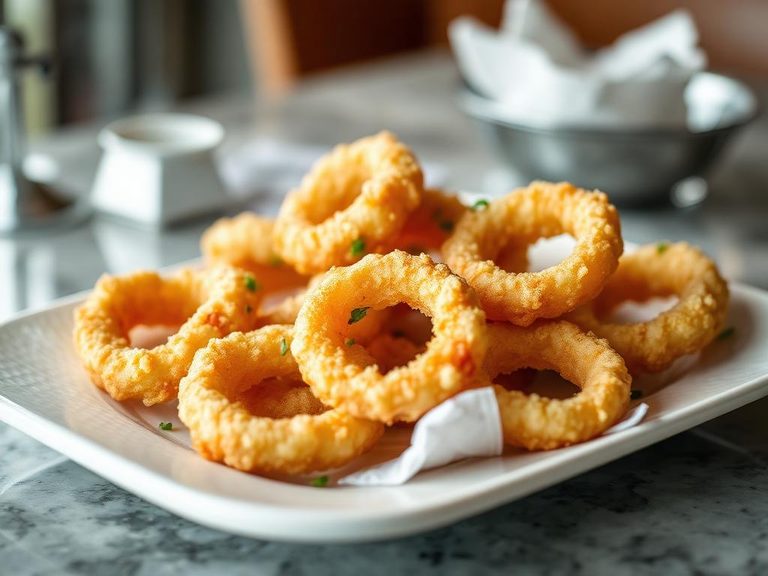
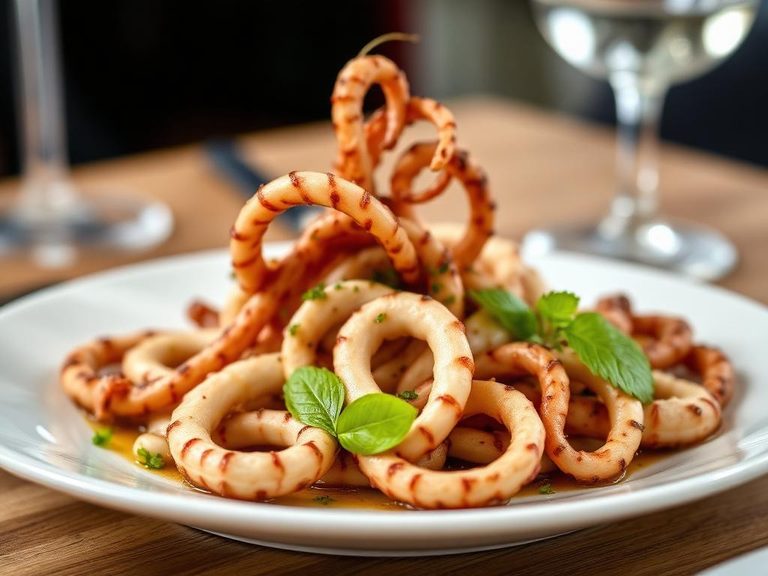
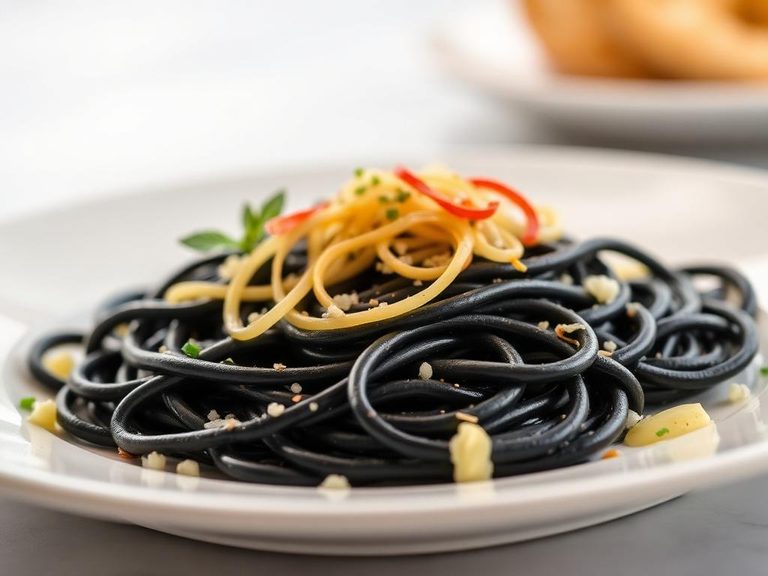
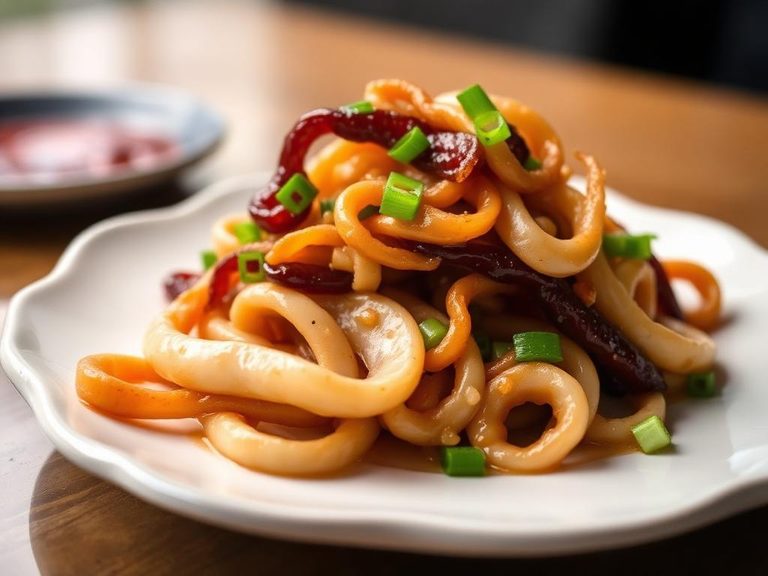
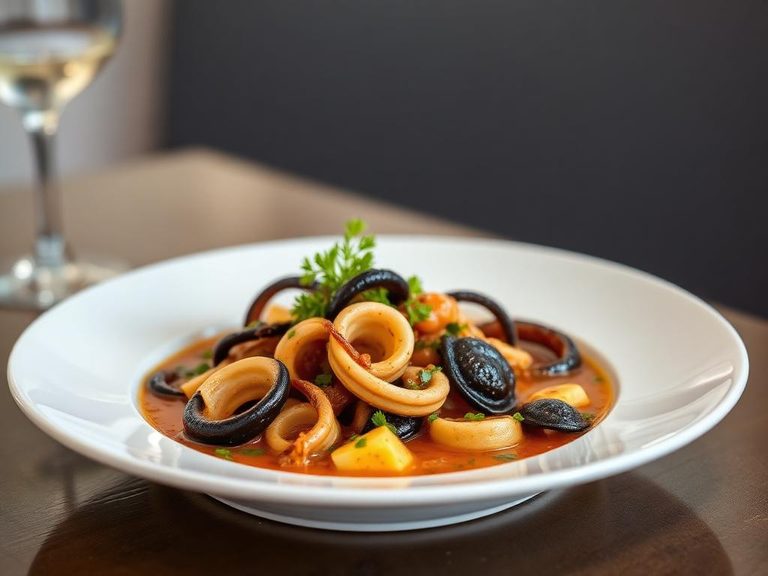
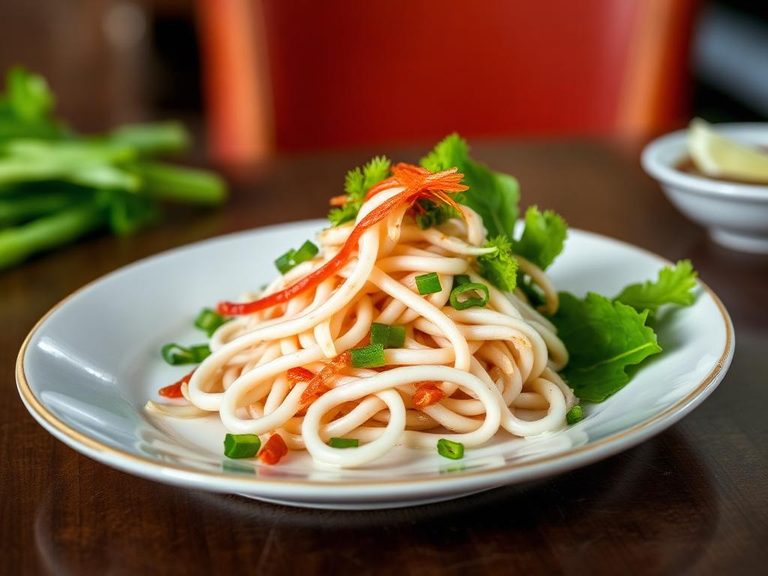
🌍 Where it's eaten
💡 Did you know?
The ink of the squid, often used in dishes like black risotto or pasta, is not just for color—it's a complex, savory broth made from melanin, amino acids, and trace metals, adding a deep, briny umami flavor.
Full nutrition (USDA data · scales with serving)
| Water | 68.3 g |
| Energy | 155 kcal |
| Protein | 19.4 g |
| Total lipid (fat) | 6.3 g |
| Carbohydrate, by difference | 3.8 g |
| Fiber, total dietary | 0.00 g |
| Total Sugars | 0.01 g |
| Calcium, Ca | 40.0 mg |
| Iron, Fe | 0.85 mg |
| Magnesium, Mg | 41.0 mg |
| Phosphorus, P | 275 mg |
| Potassium, K | 306 mg |
| Sodium, Na | 270 mg |
| Zinc, Zn | 1.9 mg |
| Copper, Cu | 2.3 mg |
| Selenium, Se | 55.6 ug |
| Vitamin C, total ascorbic acid | 4.7 mg |
| Thiamin | 0.02 mg |
| Riboflavin | 0.49 mg |
| Niacin | 2.6 mg |
| Vitamin B-6 | 0.09 mg |
| Folate, total | 5.0 ug |
| Folic acid | 0.00 ug |
| Folate, food | 5.0 ug |
| Folate, DFE | 5.0 ug |
| Choline, total | 81.1 mg |
| Vitamin B-12 | 1.4 ug |
| Vitamin B-12, added | 0.00 ug |
| Vitamin A, RAE | 32.0 ug |
| Retinol | 31.0 ug |
| Carotene, beta | 9.0 ug |
| Carotene, alpha | 0.00 ug |
| Cryptoxanthin, beta | 0.00 ug |
| Lycopene | 0.00 ug |
| Lutein + zeaxanthin | 0.00 ug |
| Vitamin E (alpha-tocopherol) | 2.2 mg |
| Vitamin E, added | 0.00 mg |
| Vitamin D (D2 + D3) | 0.00 ug |
| Vitamin K (phylloquinone) | 3.7 ug |
| Alcohol, ethyl | 0.00 g |
| Caffeine | 0.00 mg |
| Theobromine | 0.00 mg |
Fat & fatty acid profile (per 100g)
| Fatty acids, total saturated | 1.6 g |
| SFA 4:0 | 0.03 g |
| SFA 6:0 | 0.02 g |
| SFA 8:0 | 0.01 g |
| SFA 10:0 | 0.03 g |
| SFA 12:0 | 0.04 g |
| SFA 14:0 | 0.16 g |
| SFA 16:0 | 0.97 g |
| SFA 18:0 | 0.32 g |
| Fatty acids, total monounsaturated | 1.7 g |
| MUFA 16:1 | 0.04 g |
| MUFA 18:1 | 1.6 g |
| MUFA 20:1 | 0.08 g |
| MUFA 22:1 | 0.01 g |
| Fatty acids, total polyunsaturated | 2.0 g |
| PUFA 18:2 | 1.2 g |
| PUFA 18:3 | 0.15 g |
| PUFA 18:4 | 0.01 g |
| PUFA 20:4 | 0.01 g |
| PUFA 20:5 n-3 (EPA) | 0.18 g |
| PUFA 22:5 n-3 (DPA) | 0.01 g |
| PUFA 22:6 n-3 (DHA) | 0.42 g |
| Cholesterol | 293 mg |
FAQ
How do you prevent calamari from becoming tough and rubbery?
The key is extremely short cooking time. Whether frying, grilling, or sautéing, cook it over high heat for just 1-2 minutes until it turns opaque. Overcooking is the main cause of toughness.
Is calamari the same as squid?
Yes, 'calamari' is the Italian word for squid, and it's the term most commonly used in culinary contexts. There is no biological difference.
What's the best way to clean and prepare fresh calamari?
To clean, pull the head away from the body, removing the innards and the clear quill (pen). Peel off the speckled skin, remove the tentacles just below the eyes, and rinse thoroughly. Slice the body into rings.
Nutrient density (calculated · NRF9.3)
Nutrient Rich Foods index: beneficial nutrients (protein, fiber, vitamins, minerals) minus saturated fat, added sugar & sodium, per 100 kcal.
NRF9.3 index — Fulgoni, Keast & Drewnowski, 2009. Computed from USDA nutrients.
Weight-loss friendliness (composite index)
Energy density 1.55 kcal/g · 50% calories from protein · 0.0 g fiber · 0.0 g sugar per 100 g.
Composite of energy density (Rolls et al., 1999), protein & fiber satiety, minus sugar. A calculated heuristic — ranks satiety-per-calorie, not a clinical measure.
Dietary load (calculated from USDA values)
Potential renal acid load. Positive = acid-forming, negative = alkaline-forming.
Sodium-to-potassium ratio: 0.88 (lower is better — aim for ≤ 1)
Sodium:potassium per WHO potassium guidance. Computed from USDA nutrients.