

Squid (calamari), frozen, tubes only
Whole food · Finfish and Shellfish Products
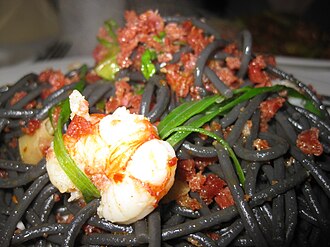
Photo: Wikipedia
Frozen squid tubes, or calamari, are the cleaned, tubular bodies of squid, prized for their mild, sweet flavor and a uniquely tender yet firm texture that becomes delightfully crisp when fried. Nutritionally, they are a powerhouse of lean protein with virtually no fat or carbohydrates, making them an exceptionally light and high-protein choice. Their neutral taste makes them a perfect canvas for bold sauces, marinades, and a variety of global cooking techniques.
Calorie split: 80% protein · 8% carbs · 11% fat
↓ Full nutrition💚 Why it's loved
People love calamari for its incredible versatility—it can be flash-fried to a golden crunch, grilled to smoky perfection, or gently simmered in a rich stew. Its mild, slightly sweet flavor and satisfying chew make it a beloved staple in coastal cuisines from the Mediterranean to East Asia.
⚠️ Watch-outs & how to enjoy it better
The primary downside is its high cholesterol content, which may be a concern for some individuals. Additionally, squid is a common shellfish allergen, and overcooking can render it tough and rubbery; to counteract this, cook it very quickly over high heat or slowly for a long period, and pair it with fiber-rich vegetables or a small amount of healthy fat to balance the meal.
Key benefits
- Extremely high in lean protein for muscle maintenance.
- Very low in calories and fat, ideal for weight management.
- Rich in selenium and vitamin B12 for immune and nerve health.
- Contains taurine, an amino acid linked to heart and brain function.
- A good source of phosphorus for bone health.
🍽️ Popular dishes
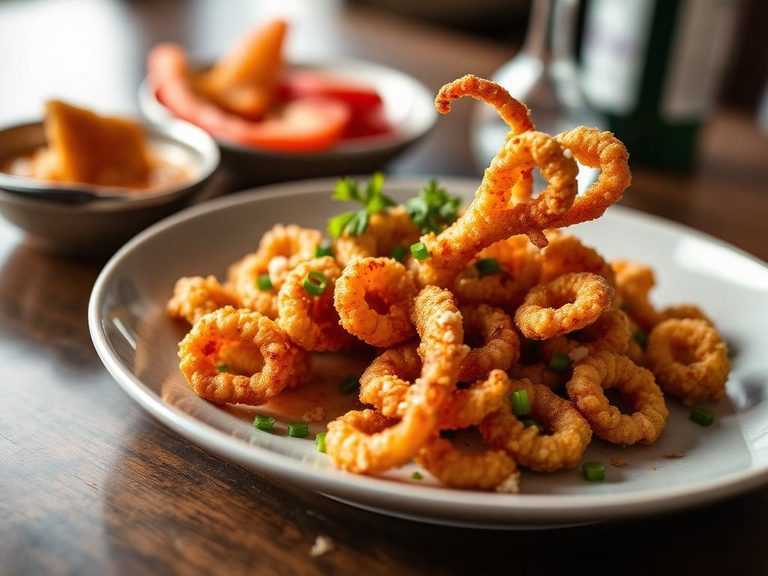
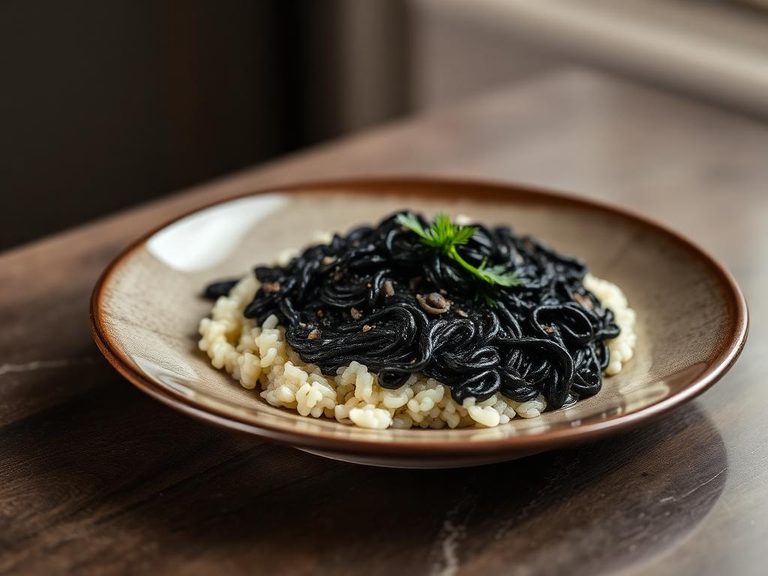
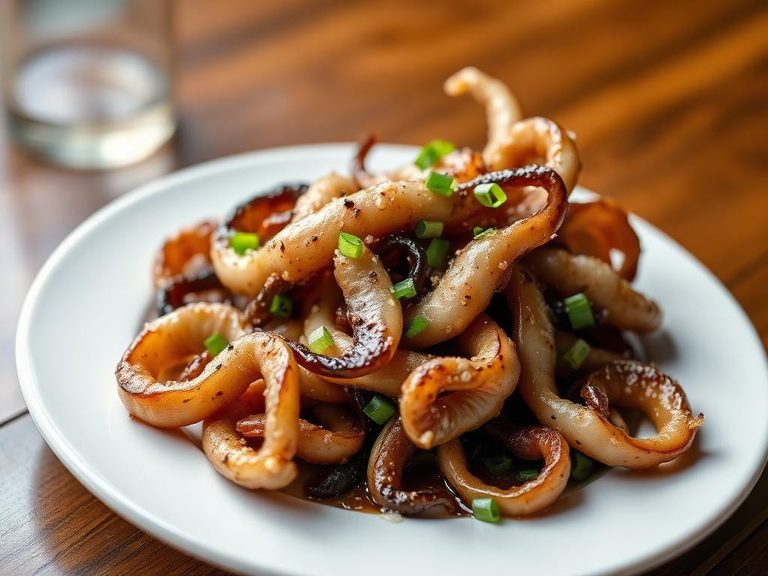
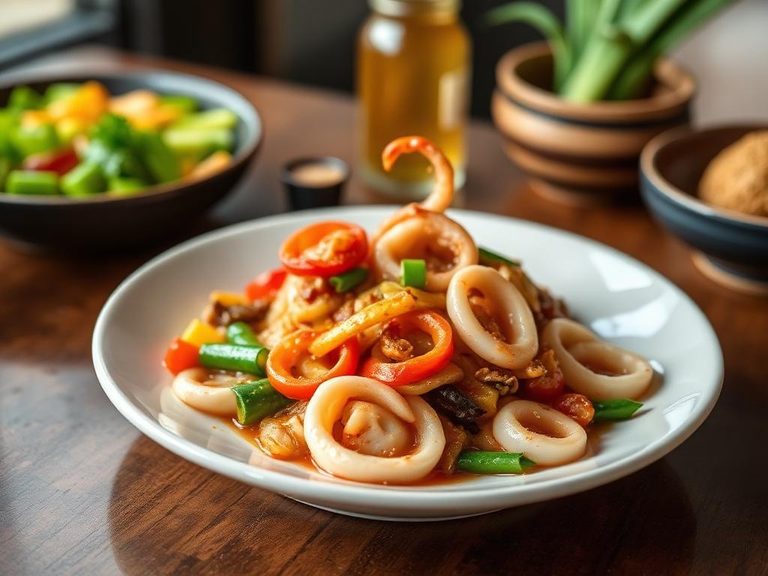
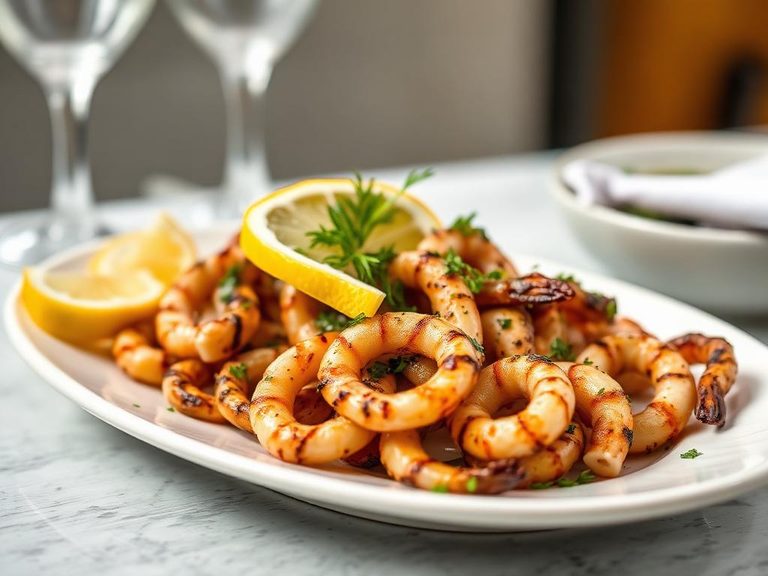
🌍 Where it's eaten
💡 Did you know?
Squid ink, often used with calamari, is not just a colorant—it's a complex mixture of melanin, amino acids, and minerals that adds a deep, briny umami flavor to dishes.
Full nutrition (USDA data · scales with serving)
| Water | 88.9 g |
| Energy (Atwater General Factors) | 43.9 kcal |
| Nitrogen | 1.4 g |
| Protein | 8.8 g |
| Total lipid (fat) | 0.55 g |
| Ash | 0.80 g |
| Carbohydrate, by difference | 0.93 g |
| Calcium, Ca | 10.6 mg |
| Iron, Fe | 0.00 mg |
| Magnesium, Mg | 10.5 mg |
| Phosphorus, P | 63.8 mg |
| Potassium, K | 9.5 mg |
| Sodium, Na | 272 mg |
| Zinc, Zn | 0.53 mg |
| Copper, Cu | 0.08 mg |
| Manganese, Mn | 0.01 mg |
| Selenium, Se | 20.9 ug |
| Vitamin B-12 | 1.1 ug |
FAQ
How do I prevent frozen calamari from becoming rubbery?
The key is cooking time: either cook it very quickly (under 2 minutes) over high heat for a tender texture, or simmer it slowly for at least 30-45 minutes to break down the fibers. Avoid the middle ground.
Is calamari a good source of omega-3s?
Yes, squid contains a moderate amount of omega-3 fatty acids, particularly DHA and EPA, which are beneficial for heart and brain health, though it is not as rich in them as fatty fish like salmon.
How should I thaw frozen squid tubes?
The best method is to thaw them overnight in the refrigerator. For a quicker thaw, place them in a sealed bag and submerge in cold water, changing the water every 30 minutes. Avoid thawing at room temperature to prevent bacterial growth.
Nutrient density (calculated · NRF9.3)
Nutrient Rich Foods index: beneficial nutrients (protein, fiber, vitamins, minerals) minus saturated fat, added sugar & sodium, per 100 kcal.
NRF9.3 index — Fulgoni, Keast & Drewnowski, 2009. Computed from USDA nutrients.
Weight-loss friendliness (composite index)
Energy density 0.44 kcal/g · 80% calories from protein · 0.0 g fiber · 0.0 g sugar per 100 g.
Composite of energy density (Rolls et al., 1999), protein & fiber satiety, minus sugar. A calculated heuristic — ranks satiety-per-calorie, not a clinical measure.
Dietary load (calculated from USDA values)
Potential renal acid load. Positive = acid-forming, negative = alkaline-forming.
Sodium-to-potassium ratio: 28.67 (lower is better — aim for ≤ 1)
Sodium:potassium per WHO potassium guidance. Computed from USDA nutrients.