

Cake or cupcake, NFS
Common food
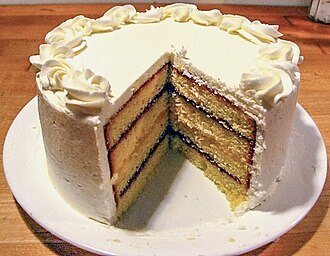
Photo: Wikipedia
A classic, unfrosted cake or cupcake (NFS) is a tender, crumbly sponge or butter cake, offering a simple, sweet vanilla or butter flavor. Its texture is typically light and airy, providing a comforting, melt-in-the-mouth experience. Nutritionally, it is a concentrated source of quick energy from carbohydrates and sugars, with minimal protein or fiber.
Calorie split: 3% protein · 60% carbs · 37% fat
↓ Full nutrition💚 Why it's loved
People love it for its nostalgic, comforting sweetness and versatile base that pairs beautifully with coffee, milk, or fruit. It serves as a blank canvas for frostings, fillings, and decorations, making it a staple for celebrations and personal indulgence.
⚠️ Watch-outs & how to enjoy it better
The high sugar and refined carbohydrate content can lead to rapid blood-sugar spikes and subsequent energy crashes, which is a concern for those managing diabetes or insulin resistance. To mitigate this, pair a small portion with a source of protein (like nuts) or healthy fat (like Greek yogurt) to slow sugar absorption and enhance satiety.
Key benefits
- Provides a quick source of energy from carbohydrates
- Can be a mood-boosting treat or celebratory food
- Offers a simple base for various flavor additions
- Convenient and widely available for portion control
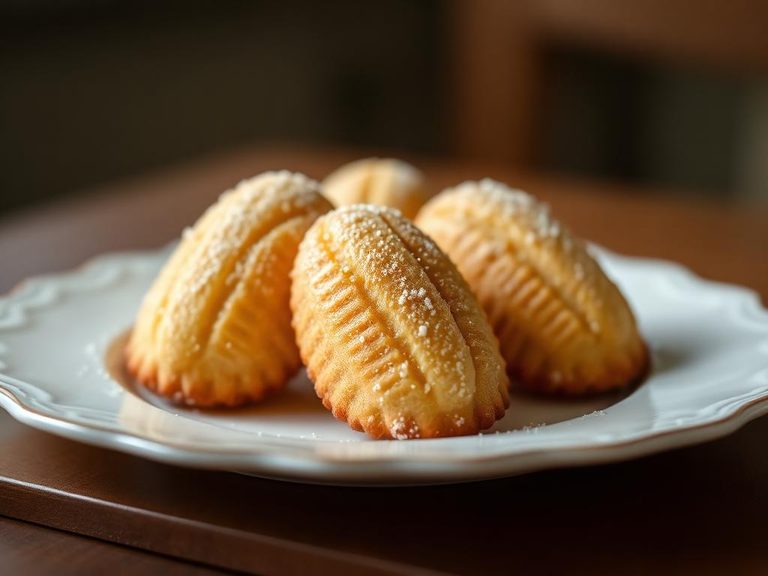
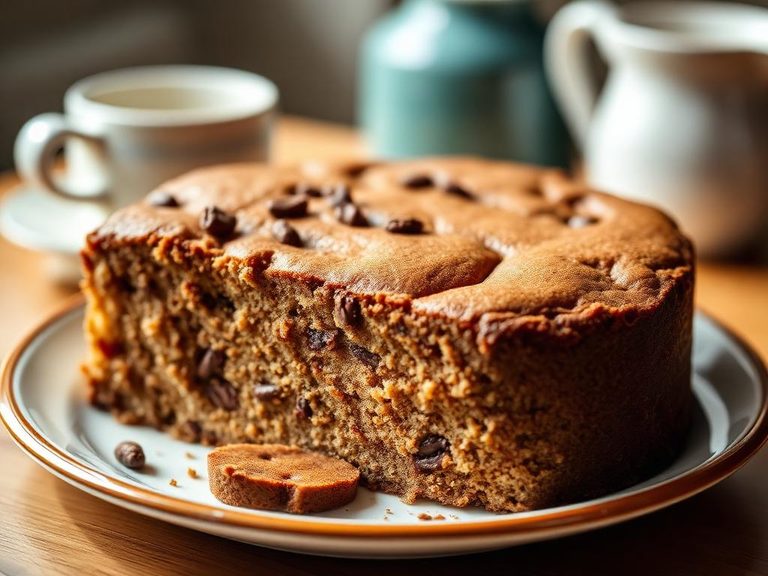
🍽️ Popular dishes




🌍 Where it's eaten
💡 Did you know?
The 'cupcake' name likely originated in the late 18th century from the practice of measuring ingredients by the cupful, not from baking in cups.
Full nutrition (USDA data · scales with serving)
| Water | 27.1 g |
| Energy | 352 kcal |
| Protein | 2.8 g |
| Total lipid (fat) | 14.8 g |
| Carbohydrate, by difference | 53.6 g |
| Fiber, total dietary | 1.0 g |
| Total Sugars | 39.5 g |
| Calcium, Ca | 70.0 mg |
| Iron, Fe | 1.3 mg |
| Magnesium, Mg | 15.0 mg |
| Phosphorus, P | 138 mg |
| Potassium, K | 98.0 mg |
| Sodium, Na | 304 mg |
| Zinc, Zn | 0.37 mg |
| Copper, Cu | 0.11 mg |
| Selenium, Se | 4.5 ug |
| Vitamin C, total ascorbic acid | 0.00 mg |
| Thiamin | 0.07 mg |
| Riboflavin | 0.18 mg |
| Niacin | 0.70 mg |
| Vitamin B-6 | 0.03 mg |
| Folate, total | 22.0 ug |
| Folic acid | 11.0 ug |
| Folate, food | 10.0 ug |
| Folate, DFE | 30.0 ug |
| Choline, total | 31.7 mg |
| Vitamin B-12 | 0.11 ug |
| Vitamin B-12, added | 0.00 ug |
| Vitamin A, RAE | 19.0 ug |
| Retinol | 19.0 ug |
| Carotene, beta | 0.00 ug |
| Carotene, alpha | 0.00 ug |
| Cryptoxanthin, beta | 1.0 ug |
| Lycopene | 0.00 ug |
| Lutein + zeaxanthin | 54.0 ug |
| Vitamin E (alpha-tocopherol) | 2.0 mg |
| Vitamin E, added | 0.00 mg |
| Vitamin D (D2 + D3) | 0.30 ug |
| Vitamin K (phylloquinone) | 8.8 ug |
| Alcohol, ethyl | 0.00 g |
| Caffeine | 3.0 mg |
| Theobromine | 43.0 mg |
Fat & fatty acid profile (per 100g)
| Fatty acids, total saturated | 3.5 g |
| SFA 4:0 | 0.00 g |
| SFA 6:0 | 0.00 g |
| SFA 8:0 | 0.00 g |
| SFA 10:0 | 0.00 g |
| SFA 12:0 | 0.00 g |
| SFA 14:0 | 0.04 g |
| SFA 16:0 | 2.2 g |
| SFA 18:0 | 1.2 g |
| Fatty acids, total monounsaturated | 5.9 g |
| MUFA 16:1 | 0.08 g |
| MUFA 18:1 | 5.7 g |
| MUFA 20:1 | 0.03 g |
| MUFA 22:1 | 0.00 g |
| Fatty acids, total polyunsaturated | 4.5 g |
| PUFA 18:2 | 4.0 g |
| PUFA 18:3 | 0.45 g |
| PUFA 18:4 | 0.00 g |
| PUFA 20:4 | 0.00 g |
| PUFA 20:5 n-3 (EPA) | 0.00 g |
| PUFA 22:5 n-3 (DPA) | 0.00 g |
| PUFA 22:6 n-3 (DHA) | 0.00 g |
| Cholesterol | 43.0 mg |
FAQ
What does 'NFS' mean on a nutrition label?
NFS stands for 'Not Further Specified.' It indicates the data is for a generic cake or cupcake without specifying the exact type, frosting, or ingredients.
Is this the same as a cupcake with frosting?
No. This nutrition data is for the cake base only. Frosting, especially buttercream, would significantly increase the fat, sugar, and calorie content.
Why is the protein so low?
Traditional cake recipes rely on flour (mostly starch) and sugar for structure and sweetness, with eggs providing only a modest amount of protein relative to the other ingredients.
Nutrient density (calculated · NRF9.3)
Nutrient Rich Foods index: beneficial nutrients (protein, fiber, vitamins, minerals) minus saturated fat, added sugar & sodium, per 100 kcal.
NRF9.3 index — Fulgoni, Keast & Drewnowski, 2009. Computed from USDA nutrients.
Weight-loss friendliness (composite index)
Energy density 3.52 kcal/g · 3% calories from protein · 1.0 g fiber · 39.5 g sugar per 100 g.
Composite of energy density (Rolls et al., 1999), protein & fiber satiety, minus sugar. A calculated heuristic — ranks satiety-per-calorie, not a clinical measure.
Dietary load (calculated from USDA values)
Potential renal acid load. Positive = acid-forming, negative = alkaline-forming.
Sodium-to-potassium ratio: 3.10 (lower is better — aim for ≤ 1)
Sodium:potassium per WHO potassium guidance. Computed from USDA nutrients.