

Victoria Sponge
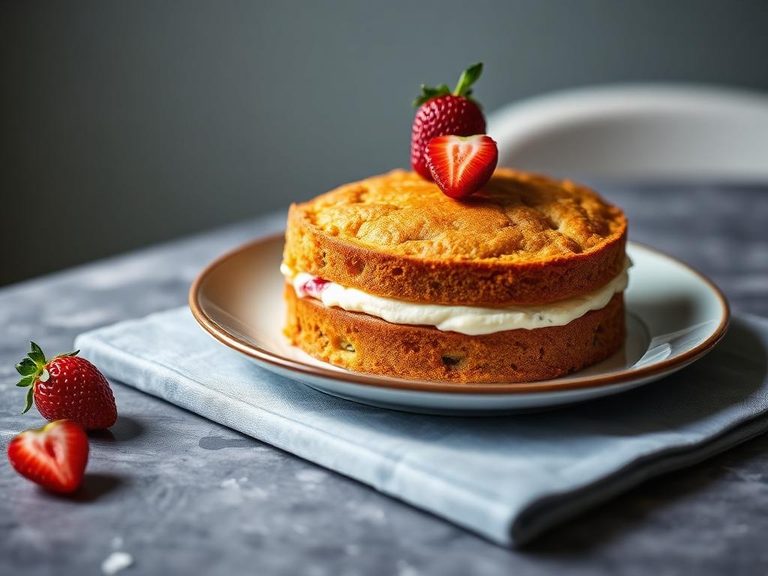
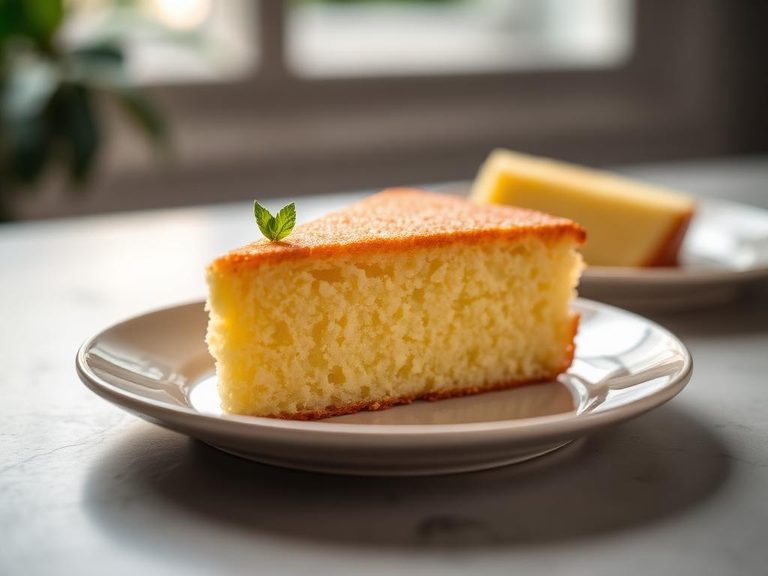
The Victoria Sponge is a classic British cake, traditionally made with equal parts butter, sugar, flour, and eggs, then sandwiched with jam and sometimes cream. Named after Queen Victoria, who enjoyed a slice with her afternoon tea, it's a staple of British baking known for its light, tender crumb and simple elegance.
🍳 View the full Victoria Sponge recipe →
🍽️ Nutrition at a glance
As a traditional cake, it is high in carbohydrates and fat, primarily from sugar and butter, with a moderate amount of protein from the eggs. A typical slice (about 1/8 of a 20cm cake) contains roughly 350-450 calories, offering quick energy but little in the way of essential vitamins or minerals.
Nutrition breakdown
| Calories | 380 kcal |
| Protein | 5 g |
| Carbs | 50 g |
| Fat | 18 g |
| Fiber | 1 g |
| Sugar | 30 g |
| Sodium | 250 mg |
| Calcium | 60 mg |
| Iron | 1.5 mg |
| Potassium | 120 mg |
| Vitamin A | 150 IU |
| Vitamin D | 0.5 µg |
| Vitamin B12 | 0.2 µg |
| Phosphorus | 80 mg |
| Magnesium | 15 mg |
Per 1 slice (100 g) · estimated, varies by recipe
💡 What's interesting
The Victoria Sponge is a cultural icon of British teatime, symbolizing home baking and tradition. Its 'equal weights' recipe makes it a famously reliable and forgiving bake, often used as a first cake for novice bakers to master.
🍽️ Related dishes
AI estimate may be inaccurate · Terms