

Apricots, dehydrated (low-moisture), sulfured, uncooked
Whole food · Fruits and Fruit Juices

Photo: Wikipedia
These are fresh apricots that have been dried to a chewy, concentrated state, with sulfur dioxide added to preserve their vibrant orange hue. They offer an intense, tangy-sweet flavor with a dense, leathery texture. Nutritionally, they are a potent source of quick-release carbohydrates, providing a significant energy boost.
Calorie split: 5% protein · 93% carbs · 2% fat
↓ Full nutrition💚 Why it's loved
People love them for their intensely sweet and tart flavor, which is more pronounced than in fresh apricots. They are a beloved, portable snack and a versatile ingredient in both sweet and savory cooking.
⚠️ Watch-outs & how to enjoy it better
Their very high carbohydrate density (83g per 100g) can cause rapid blood sugar spikes, making portion control essential for diabetics. The sulfur dioxide used as a preservative can trigger reactions in sensitive individuals, particularly those with asthma. To counteract the blood sugar impact, pair a small handful with a source of protein or fat, like nuts or cheese.
Key benefits
- Excellent source of vitamin A (as beta-carotene) for eye and skin health.
- Provides a concentrated dose of potassium for muscle and nerve function.
- High in quick-digesting carbohydrates for rapid energy replenishment.
- Contains iron and copper, supporting red blood cell formation.
🍽️ Popular dishes
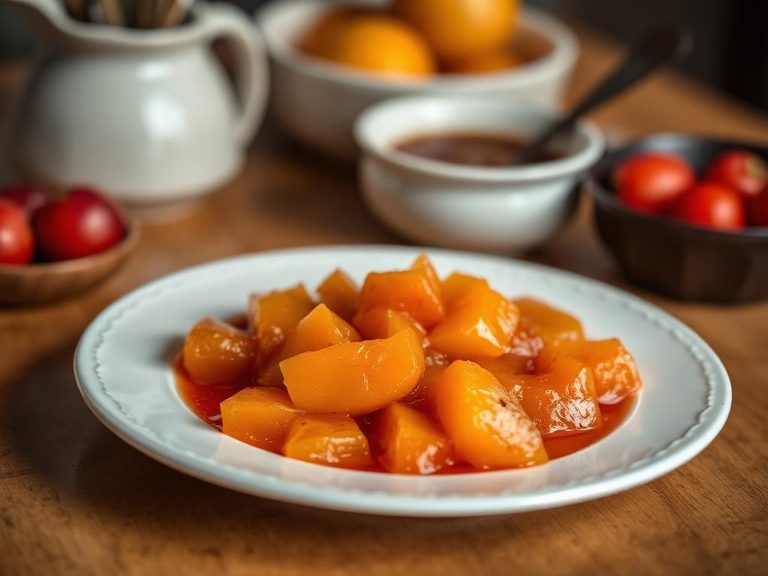


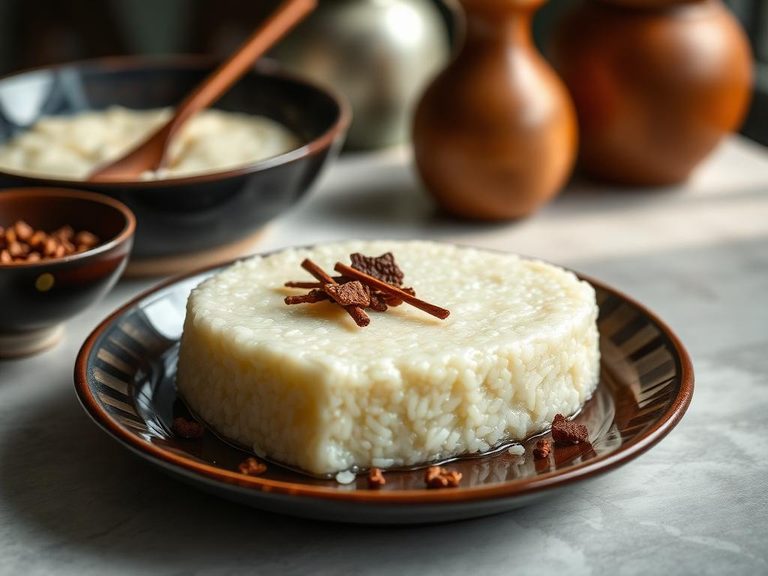
🌍 Where it's eaten
💡 Did you know?
The sulfur dioxide that preserves their bright color also prevents them from developing the deep, brown hue of unsulfured dried apricots, which are darker but have a more complex, caramelized flavor.
Full nutrition (USDA data · scales with serving)
| Water | 7.5 g |
| Energy | 320 kcal |
| Energy | 1339 kj |
| Protein | 4.9 g |
| Total lipid (fat) | 0.62 g |
| Ash | 4.1 g |
| Carbohydrate, by difference | 82.9 g |
| Calcium, Ca | 61.0 mg |
| Iron, Fe | 6.3 mg |
| Magnesium, Mg | 63.0 mg |
| Phosphorus, P | 157 mg |
| Potassium, K | 1850 mg |
| Sodium, Na | 13.0 mg |
| Zinc, Zn | 1.0 mg |
| Copper, Cu | 0.58 mg |
| Manganese, Mn | 0.37 mg |
| Vitamin C, total ascorbic acid | 9.5 mg |
| Thiamin | 0.04 mg |
| Riboflavin | 0.15 mg |
| Niacin | 3.6 mg |
| Pantothenic acid | 1.1 mg |
| Vitamin B-6 | 0.52 mg |
| Folate, total | 4.0 ug |
| Folic acid | 0.00 ug |
| Folate, food | 4.0 ug |
| Folate, DFE | 4.0 ug |
| Vitamin B-12 | 0.00 ug |
| Vitamin A, RAE | 633 ug |
| Retinol | 0.00 ug |
| Vitamin A, IU | 12669 iu |
| Vitamin D (D2 + D3), International Units | 0.00 iu |
| Vitamin D (D2 + D3) | 0.00 ug |
Fat & fatty acid profile (per 100g)
| Fatty acids, total saturated | 0.04 g |
| SFA 16:0 | 0.04 g |
| SFA 18:0 | 0.01 g |
| Fatty acids, total monounsaturated | 0.27 g |
| MUFA 18:1 | 0.27 g |
| Fatty acids, total polyunsaturated | 0.12 g |
| PUFA 18:2 | 0.12 g |
| Cholesterol | 0.00 mg |
Amino acid profile (per 100g)
| Tryptophan | 0.09 g |
| Threonine | 0.18 g |
| Isoleucine | 0.15 g |
| Leucine | 0.29 g |
| Lysine | 0.34 g |
| Methionine | 0.02 g |
| Cystine | 0.02 g |
| Phenylalanine | 0.20 g |
| Tyrosine | 0.11 g |
| Valine | 0.18 g |
| Arginine | 0.19 g |
| Histidine | 0.08 g |
| Alanine | 0.24 g |
| Aspartic acid | 1.1 g |
| Glutamic acid | 0.49 g |
| Glycine | 0.15 g |
| Proline | 0.29 g |
| Serine | 0.28 g |
FAQ
Why are these apricots bright orange while others are brown?
The bright orange color is due to treatment with sulfur dioxide, a common preservative that prevents oxidation and browning. Unsulfured dried apricots are naturally dark brown.
Are they a good source of fiber?
Despite being dried fruit, these specific low-moisture, sulfured apricots are listed as having 0g of fiber per 100g, likely due to processing. For fiber, choose unsulfured varieties or fresh apricots.
How should I store them?
Store in an airtight container in a cool, dark place. For longer shelf life, refrigerate or freeze them to prevent the natural sugars from crystallizing and to maintain freshness.
Nutrient density (calculated · NRF9.3)
Nutrient Rich Foods index: beneficial nutrients (protein, fiber, vitamins, minerals) minus saturated fat, added sugar & sodium, per 100 kcal.
NRF9.3 index — Fulgoni, Keast & Drewnowski, 2009. Computed from USDA nutrients.
Weight-loss friendliness (composite index)
Energy density 3.20 kcal/g · 6% calories from protein · 0.0 g fiber · 0.0 g sugar per 100 g.
Composite of energy density (Rolls et al., 1999), protein & fiber satiety, minus sugar. A calculated heuristic — ranks satiety-per-calorie, not a clinical measure.
Dietary load (calculated from USDA values)
Potential renal acid load. Positive = acid-forming, negative = alkaline-forming.
Sodium-to-potassium ratio: 0.01 (lower is better — aim for ≤ 1)
Sodium:potassium per WHO potassium guidance. Computed from USDA nutrients.