Peanuts, spanish, oil-roasted, with salt
Whole food · Legumes and Legume Products

Photo: Wikipedia
These are whole Spanish-type peanuts, dry-roasted in oil and finished with a generous coating of salt. They offer a satisfyingly crunchy texture with a deep, nutty, and savory flavor profile. Nutritionally, they are a calorie-dense powerhouse, providing nearly 50 grams of heart-healthy fats and a substantial 28 grams of protein per 100 grams.
💚 Why it's loved
People adore them for the irresistible combination of salty, savory crunch and rich, roasted nuttiness. They are a beloved, portable snack and a versatile ingredient that adds texture and flavor to countless dishes, from trail mix to main courses.
⚠️ Watch-outs & how to enjoy it better
The high sodium content from added salt can be a concern for those monitoring blood pressure. As a common and potent allergen, they pose a serious risk for individuals with peanut allergies. To mitigate sodium, look for lightly salted versions or rinse them briefly. Portion control is key due to their high calorie density; a small handful (about 28g) is a standard serving.
Key benefits
- Excellent source of plant-based protein for muscle maintenance.
- Rich in monounsaturated fats, which support cardiovascular health.
- High in dietary fiber, promoting digestive health and satiety.
- Provides essential minerals like magnesium, phosphorus, and potassium.
- Contains antioxidants, including resveratrol, in the skin.
🍽️ Popular dishes
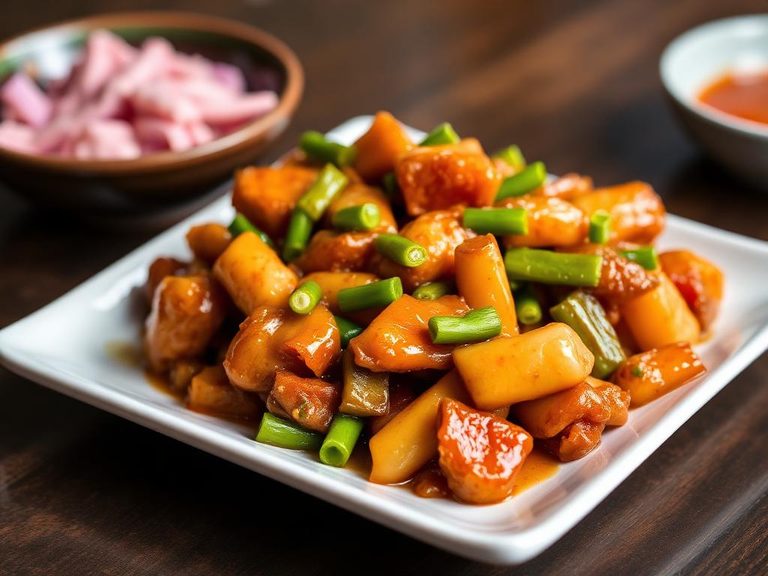
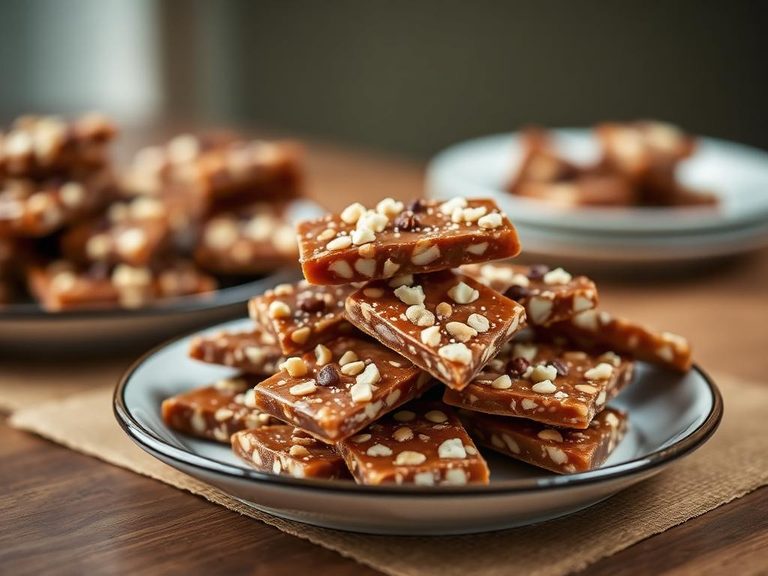
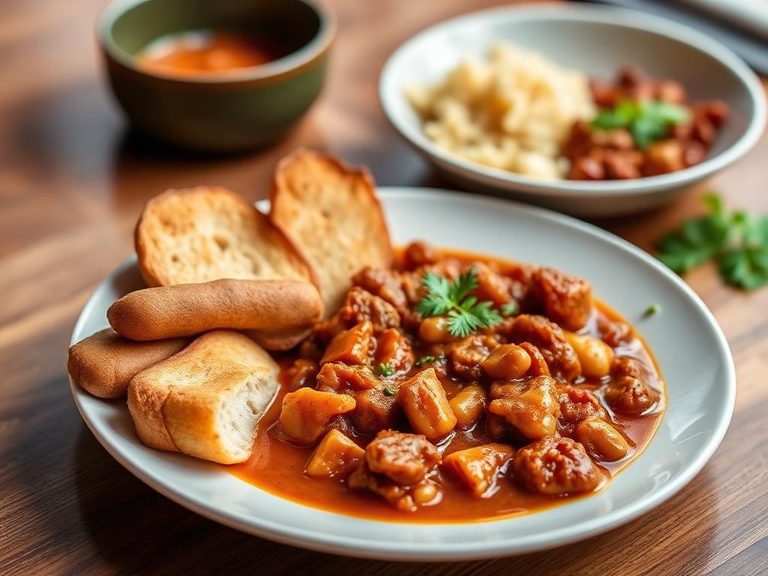
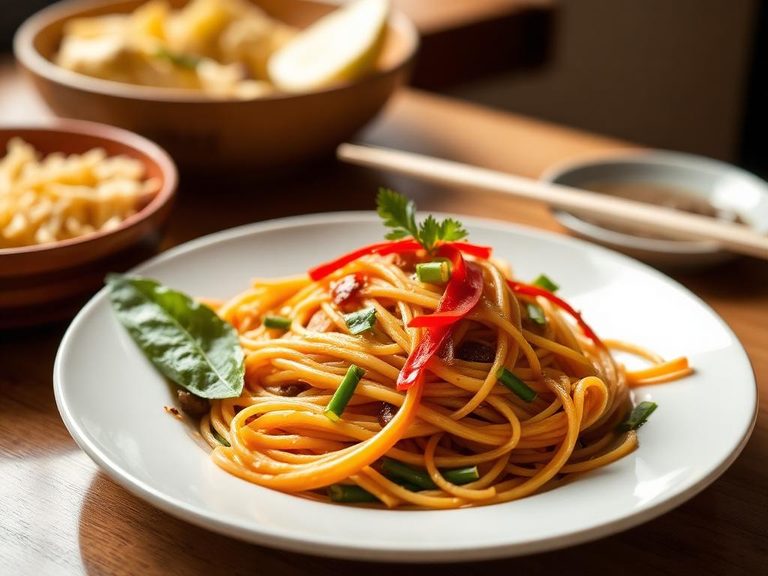
🌍 Where it's eaten
💡 Did you know?
Despite their name, Spanish peanuts are not native to Spain; they were first cultivated in Brazil and were likely spread to Africa and Asia by Portuguese traders.
Full nutrition (scales with serving)
| Water | 1.8 g |
| Energy | 579 kcal |
| Energy | 2423 kj |
| Protein | 28.0 g |
| Total lipid (fat) | 49.0 g |
| Ash | 3.7 g |
| Carbohydrate, by difference | 17.4 g |
| Fiber, total dietary | 8.9 g |
| Calcium, Ca | 100 mg |
| Iron, Fe | 2.3 mg |
| Magnesium, Mg | 168 mg |
| Phosphorus, P | 387 mg |
| Potassium, K | 776 mg |
| Sodium, Na | 433 mg |
| Zinc, Zn | 2.0 mg |
| Copper, Cu | 0.66 mg |
| Manganese, Mn | 2.4 mg |
| Selenium, Se | 7.5 ug |
| Vitamin C, total ascorbic acid | 0.00 mg |
| Thiamin | 0.32 mg |
| Riboflavin | 0.09 mg |
| Niacin | 14.9 mg |
| Pantothenic acid | 1.4 mg |
| Vitamin B-6 | 0.26 mg |
| Folate, total | 126 ug |
| Folic acid | 0.00 ug |
| Folate, food | 126 ug |
| Folate, DFE | 126 ug |
| Vitamin B-12 | 0.00 ug |
| Vitamin A, RAE | 0.00 ug |
| Retinol | 0.00 ug |
| Vitamin A, IU | 0.00 iu |
| Vitamin D (D2 + D3), International Units | 0.00 iu |
| Vitamin D (D2 + D3) | 0.00 ug |
Fat & fatty acid profile (per 100g)
| Fatty acids, total saturated | 7.6 g |
| SFA 14:0 | 0.03 g |
| SFA 16:0 | 5.6 g |
| SFA 18:0 | 1.3 g |
| Fatty acids, total monounsaturated | 22.1 g |
| MUFA 16:1 | 0.04 g |
| MUFA 18:1 | 21.5 g |
| MUFA 20:1 | 0.52 g |
| Fatty acids, total polyunsaturated | 17.0 g |
| PUFA 18:2 | 17.0 g |
| PUFA 18:3 | 0.01 g |
| Cholesterol | 0.00 mg |
Amino acid profile (per 100g)
| Tryptophan | 0.27 g |
| Threonine | 0.96 g |
| Isoleucine | 0.98 g |
| Leucine | 1.8 g |
| Lysine | 1.0 g |
| Methionine | 0.34 g |
| Cystine | 0.36 g |
| Phenylalanine | 1.5 g |
| Tyrosine | 1.1 g |
| Valine | 1.2 g |
| Arginine | 3.3 g |
| Histidine | 0.71 g |
| Alanine | 1.1 g |
| Aspartic acid | 3.4 g |
| Glutamic acid | 5.9 g |
| Glycine | 1.7 g |
| Proline | 1.2 g |
| Serine | 1.4 g |
FAQ
Are oil-roasted peanuts healthier than dry-roasted?
Oil-roasting can add a small amount of fat and calories, but the difference is minimal. Both methods are nutritious; the key is the amount of added salt and any additional seasonings.
Why do my peanuts sometimes taste bitter?
Bitterness can come from the papery red skin (testa) or from rancidity. If the peanuts taste off, they may be old or improperly stored. Store them in an airtight container in a cool, dark place.
Can I use these in place of raw peanuts for boiling?
It's not recommended. Oil-roasted peanuts are fully cooked and will become overly soft and greasy when boiled. Use raw, shelled peanuts for boiling recipes.