Seeds, sesame butter, tahini, from raw and stone ground kernels
Whole food · Nut and Seed Products

Photo: Wikipedia
Tahini is a rich, creamy paste made from raw, stone-ground sesame kernels, boasting a deep, nutty flavor with a hint of earthy bitterness and a luxuriously smooth, pourable texture. It's a nutritional powerhouse, packing a substantial 48 grams of healthy fats and nearly 18 grams of plant-based protein per 100 grams, making it one of the most calorie-dense and nutrient-rich seed butters available.
💚 Why it's loved
People adore tahini for its deep, complex nuttiness that can elevate both sweet and savory dishes, from hummus to cookies. Its incredible versatility as a base for sauces, dressings, and dips makes it a cornerstone ingredient in many global cuisines.
⚠️ Watch-outs & how to enjoy it better
Its high calorie density can lead to overconsumption, and its strong, distinct flavor can be overpowering if used excessively. As a common allergen, sesame is a top allergen in many regions, and tahini can be high in natural oxalates, which may be a concern for those prone to certain kidney stones. To enjoy it mindfully, practice strict portion control (a tablespoon is a standard serving) and pair it with fiber-rich vegetables or whole grains to balance its richness.
Key benefits
- Excellent source of plant-based protein and heart-healthy monounsaturated fats.
- Provides essential minerals like calcium, magnesium, and iron.
- High in fiber (9.3g per 100g) which supports digestive health.
- Contains lignans and antioxidants from sesame seeds.
🍽️ Popular dishes
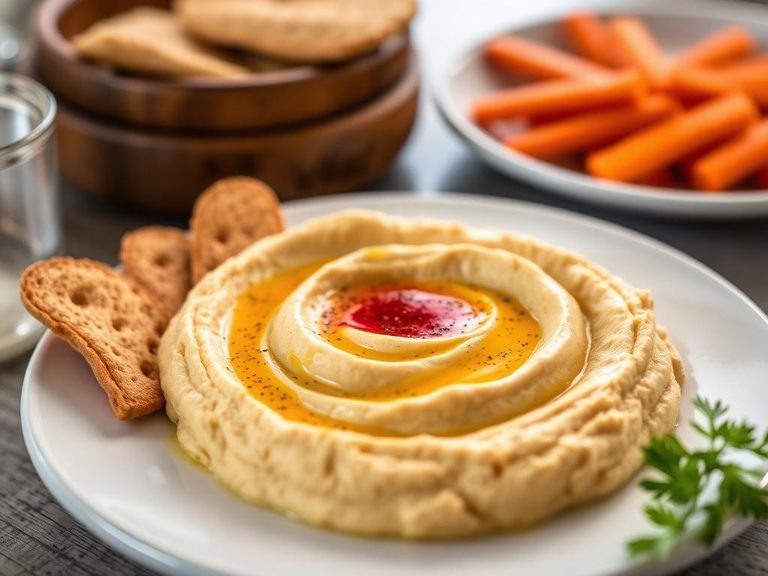
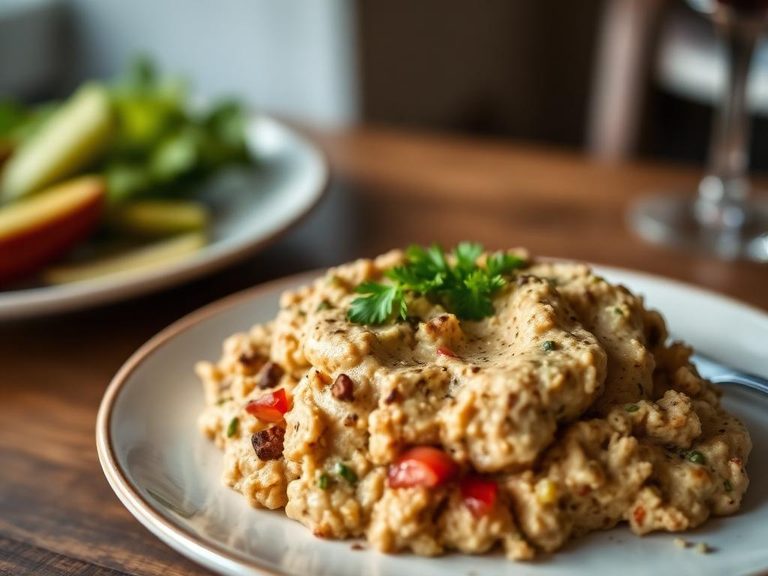
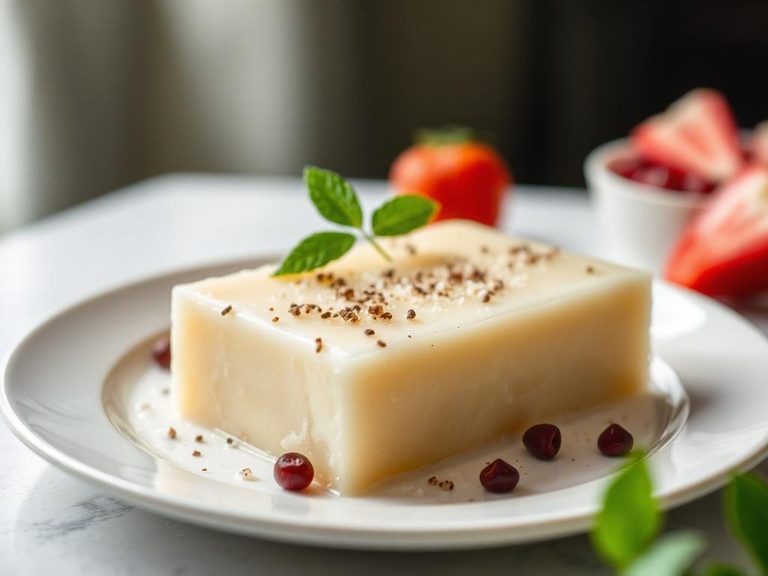
🌍 Where it's eaten
💡 Did you know?
The word 'tahini' is derived from the Arabic word for 'to grind,' reflecting its ancient preparation method, and sesame seeds are one of the oldest oilseed crops known to humanity, domesticated over 3,000 years ago.
Full nutrition (scales with serving)
| Water | 3.0 g |
| Energy | 570 kcal |
| Energy | 2385 kj |
| Protein | 17.8 g |
| Total lipid (fat) | 48.0 g |
| Ash | 5.0 g |
| Carbohydrate, by difference | 26.2 g |
| Fiber, total dietary | 9.3 g |
| Calcium, Ca | 420 mg |
| Iron, Fe | 2.5 mg |
| Magnesium, Mg | 96.0 mg |
| Phosphorus, P | 752 mg |
| Potassium, K | 414 mg |
| Sodium, Na | 74.0 mg |
| Zinc, Zn | 4.6 mg |
| Copper, Cu | 1.6 mg |
| Manganese, Mn | 1.5 mg |
| Vitamin C, total ascorbic acid | 0.00 mg |
| Thiamin | 1.3 mg |
| Riboflavin | 0.51 mg |
| Niacin | 5.9 mg |
| Pantothenic acid | 0.69 mg |
| Vitamin B-6 | 0.15 mg |
| Folate, total | 98.0 ug |
| Folic acid | 0.00 ug |
| Folate, food | 98.0 ug |
| Folate, DFE | 98.0 ug |
| Vitamin B-12 | 0.00 ug |
| Vitamin A, RAE | 3.0 ug |
| Retinol | 0.00 ug |
| Vitamin A, IU | 67.0 iu |
| Vitamin D (D2 + D3), International Units | 0.00 iu |
| Vitamin D (D2 + D3) | 0.00 ug |
Fat & fatty acid profile (per 100g)
| Fatty acids, total saturated | 6.7 g |
| SFA 14:0 | 0.12 g |
| SFA 16:0 | 4.3 g |
| SFA 18:0 | 2.0 g |
| Fatty acids, total monounsaturated | 18.1 g |
| MUFA 16:1 | 0.14 g |
| MUFA 18:1 | 17.9 g |
| MUFA 20:1 | 0.07 g |
| Fatty acids, total polyunsaturated | 21.0 g |
| PUFA 18:2 | 20.7 g |
| PUFA 18:3 | 0.36 g |
| Cholesterol | 0.00 mg |
Amino acid profile (per 100g)
| Tryptophan | 0.39 g |
| Threonine | 0.74 g |
| Isoleucine | 0.77 g |
| Leucine | 1.4 g |
| Lysine | 0.57 g |
| Methionine | 0.59 g |
| Cystine | 0.36 g |
| Phenylalanine | 0.94 g |
| Tyrosine | 0.75 g |
| Valine | 0.99 g |
| Arginine | 2.6 g |
| Histidine | 0.52 g |
| Alanine | 0.93 g |
| Aspartic acid | 1.7 g |
| Glutamic acid | 4.0 g |
| Glycine | 1.2 g |
| Proline | 0.81 g |
| Serine | 0.97 g |
FAQ
What's the difference between tahini and sesame paste?
While often used interchangeably, 'tahini' typically refers to a paste made from hulled sesame seeds, giving it a lighter color and smoother taste. 'Sesame paste' (or Chinese sesame paste) is usually made from unhulled, toasted seeds, resulting in a darker, more robust, and slightly bitter flavor.
Why does my tahini taste bitter?
The bitterness comes from compounds in the sesame seed hulls. Brands made from hulled seeds are milder. To reduce bitterness in any tahini, you can briefly toast it in a dry pan over medium heat, stirring constantly, until it becomes fragrant and slightly darker.
How should I store tahini?
Store unopened tahini in a cool, dark pantry. Once opened, it's best kept in the refrigerator to prevent the oil from going rancid, which can last for 6 months or more. The oil may separate; simply stir it back in before use.