

Yogurt tube
Common food

Photo: Wikipedia
A yogurt tube is a frozen, squeezable snack made from sweetened, flavored yogurt, offering a tangy-sweet, creamy texture that melts on the tongue. It provides a modest protein boost (4.34g/100g) but is primarily a source of quick energy from carbohydrates and sugar (11.4g/100g).
Calorie split: 21% protein · 67% carbs · 11% fat
↓ Full nutrition💚 Why it's loved
People love yogurt tubes for their fun, mess-free format and the nostalgic, sweet-tart flavor that makes them a beloved childhood staple. Their versatility shines as a standalone snack, a lunchbox addition, or a base for homemade frozen treats.
⚠️ Watch-outs & how to enjoy it better
The high sugar content can lead to blood-sugar spikes, making it a less ideal choice for those monitoring glucose levels. To mitigate this, pair it with a source of protein or healthy fat (like nuts) to slow sugar absorption and consider it an occasional treat rather than a daily staple.
Key benefits
- Provides a convenient source of calcium and protein.
- Offers a refreshing, portion-controlled frozen treat.
- Can be a more appealing way for some children to consume dairy.
- Serves as a quick energy source due to its carbohydrate content.
🍽️ Popular dishes


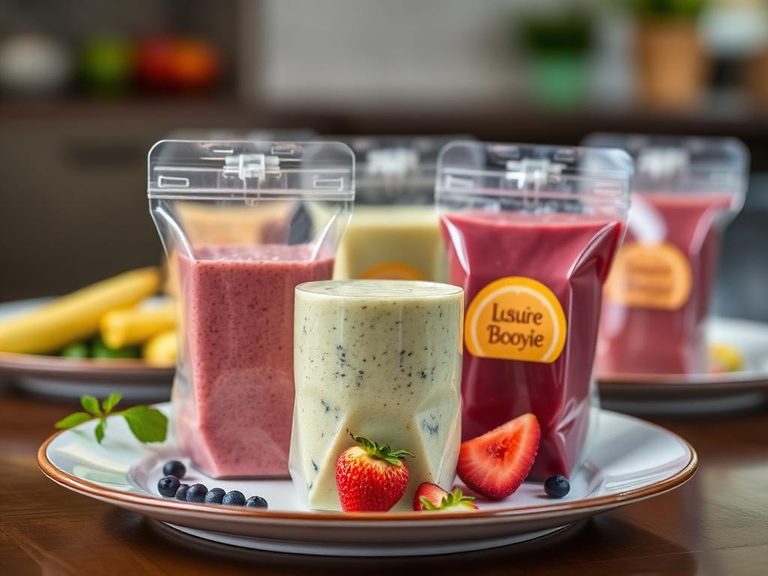
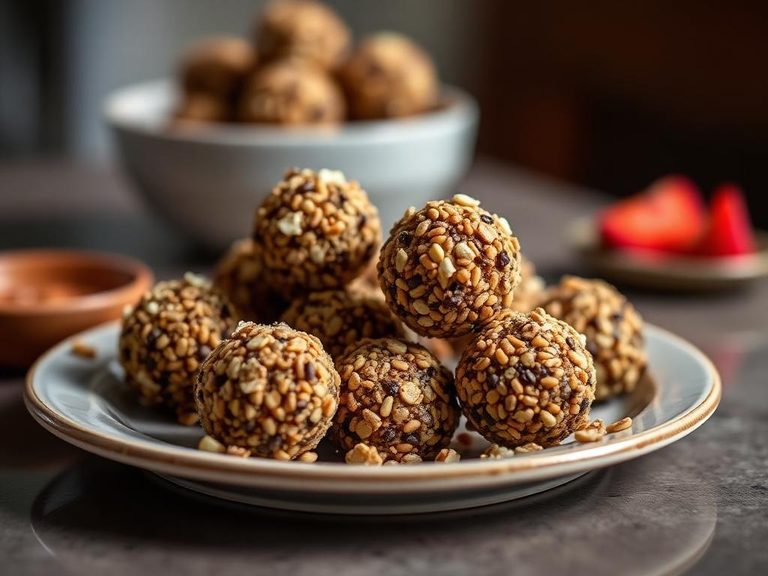
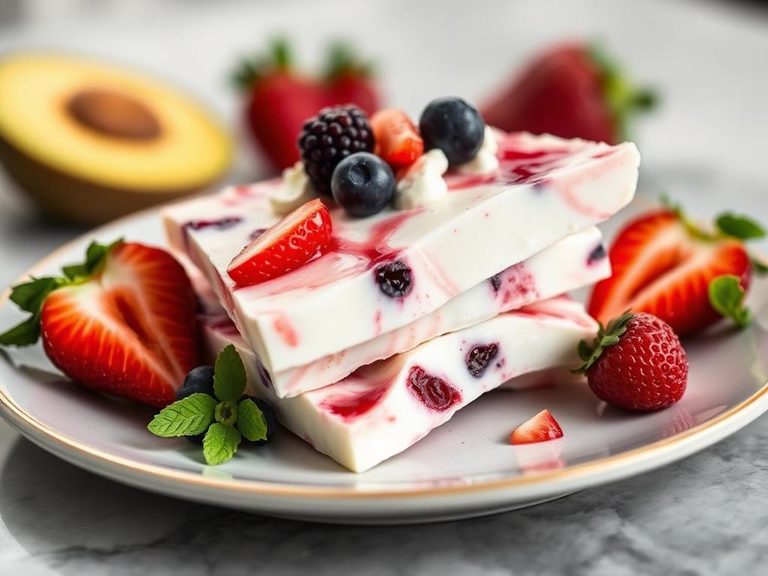
🌍 Where it's eaten
💡 Did you know?
The iconic tube format was patented in the 1970s, revolutionizing how yogurt was packaged and consumed, especially for children on the go.
Full nutrition (USDA data · scales with serving)
| Water | 80.0 g |
| Energy | 81.0 kcal |
| Protein | 4.3 g |
| Total lipid (fat) | 1.0 g |
| Carbohydrate, by difference | 13.7 g |
| Fiber, total dietary | 0.10 g |
| Total Sugars | 11.4 g |
| Calcium, Ca | 156 mg |
| Iron, Fe | 0.10 mg |
| Magnesium, Mg | 15.0 mg |
| Phosphorus, P | 122 mg |
| Potassium, K | 204 mg |
| Sodium, Na | 60.0 mg |
| Zinc, Zn | 0.71 mg |
| Copper, Cu | 0.02 mg |
| Selenium, Se | 3.1 ug |
| Vitamin C, total ascorbic acid | 1.7 mg |
| Thiamin | 0.04 mg |
| Riboflavin | 0.20 mg |
| Niacin | 0.10 mg |
| Vitamin B-6 | 0.04 mg |
| Folate, total | 11.0 ug |
| Folic acid | 0.00 ug |
| Folate, food | 11.0 ug |
| Folate, DFE | 11.0 ug |
| Choline, total | 14.2 mg |
| Vitamin B-12 | 0.49 ug |
| Vitamin B-12, added | 0.00 ug |
| Vitamin A, RAE | 9.0 ug |
| Retinol | 9.0 ug |
| Carotene, beta | 1.0 ug |
| Carotene, alpha | 0.00 ug |
| Cryptoxanthin, beta | 0.00 ug |
| Lycopene | 0.00 ug |
| Lutein + zeaxanthin | 0.00 ug |
| Vitamin E (alpha-tocopherol) | 0.03 mg |
| Vitamin E, added | 0.00 mg |
| Vitamin D (D2 + D3) | 1.2 ug |
| Vitamin K (phylloquinone) | 0.20 ug |
| Alcohol, ethyl | 0.00 g |
| Caffeine | 0.00 mg |
| Theobromine | 0.00 mg |
Fat & fatty acid profile (per 100g)
| Fatty acids, total saturated | 0.67 g |
| SFA 4:0 | 0.03 g |
| SFA 6:0 | 0.02 g |
| SFA 8:0 | 0.01 g |
| SFA 10:0 | 0.03 g |
| SFA 12:0 | 0.04 g |
| SFA 14:0 | 0.11 g |
| SFA 16:0 | 0.28 g |
| SFA 18:0 | 0.10 g |
| Fatty acids, total monounsaturated | 0.29 g |
| MUFA 16:1 | 0.02 g |
| MUFA 18:1 | 0.24 g |
| MUFA 20:1 | 0.00 g |
| MUFA 22:1 | 0.00 g |
| Fatty acids, total polyunsaturated | 0.03 g |
| PUFA 18:2 | 0.02 g |
| PUFA 18:3 | 0.01 g |
| PUFA 18:4 | 0.00 g |
| PUFA 20:4 | 0.00 g |
| PUFA 20:5 n-3 (EPA) | 0.00 g |
| PUFA 22:5 n-3 (DPA) | 0.00 g |
| PUFA 22:6 n-3 (DHA) | 0.00 g |
| Cholesterol | 5.0 mg |
FAQ
Is a yogurt tube the same as regular yogurt?
No, it's specifically formulated to be frozen, often with added stabilizers and sweeteners to maintain a squeezable, icy texture that differs from the creamy consistency of fresh yogurt.
Can I use yogurt tubes in cooking or baking?
While not ideal for baking due to its frozen state and added sugars, it can be melted down and used as a tangy base for frostings, glazes, or mixed into batters for a flavor twist.
How does the nutrition compare to ice cream?
Yogurt tubes generally have less fat than ice cream but can contain similar or higher amounts of sugar. They do offer some protein and calcium from the yogurt base, which ice cream typically lacks.
Nutrient density (calculated · NRF9.3)
Nutrient Rich Foods index: beneficial nutrients (protein, fiber, vitamins, minerals) minus saturated fat, added sugar & sodium, per 100 kcal.
NRF9.3 index — Fulgoni, Keast & Drewnowski, 2009. Computed from USDA nutrients.
Weight-loss friendliness (composite index)
Energy density 0.81 kcal/g · 21% calories from protein · 0.1 g fiber · 11.4 g sugar per 100 g.
Composite of energy density (Rolls et al., 1999), protein & fiber satiety, minus sugar. A calculated heuristic — ranks satiety-per-calorie, not a clinical measure.
Dietary load (calculated from USDA values)
Potential renal acid load. Positive = acid-forming, negative = alkaline-forming.
Sodium-to-potassium ratio: 0.29 (lower is better — aim for ≤ 1)
Sodium:potassium per WHO potassium guidance. Computed from USDA nutrients.