Watermelon, raw
Common food
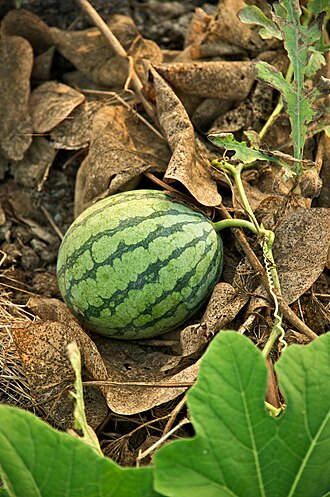
Photo: Wikipedia
Watermelon is a large, refreshing fruit with a crisp, juicy texture and a sweet, subtly floral flavor. Its vibrant red flesh is over 90% water, making it a hydrating low-calorie snack. Nutritionally, it's a standout source of the antioxidant lycopene and provides a good amount of vitamin C.
💚 Why it's loved
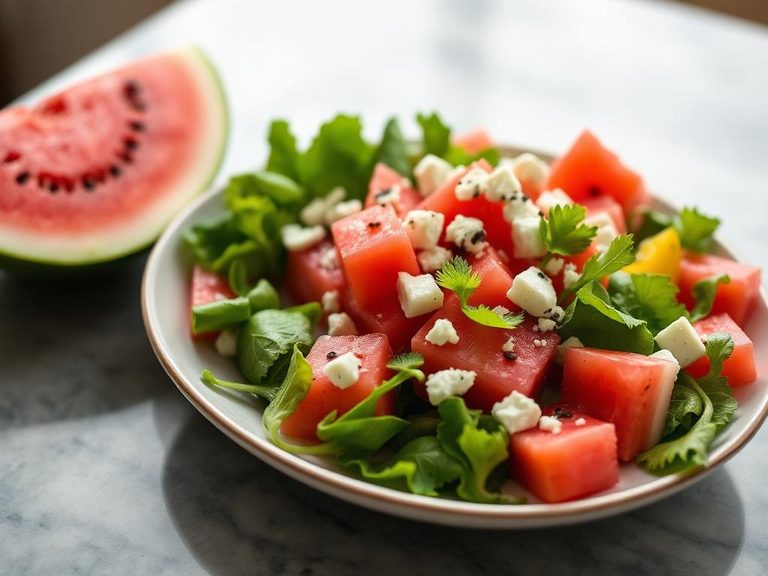
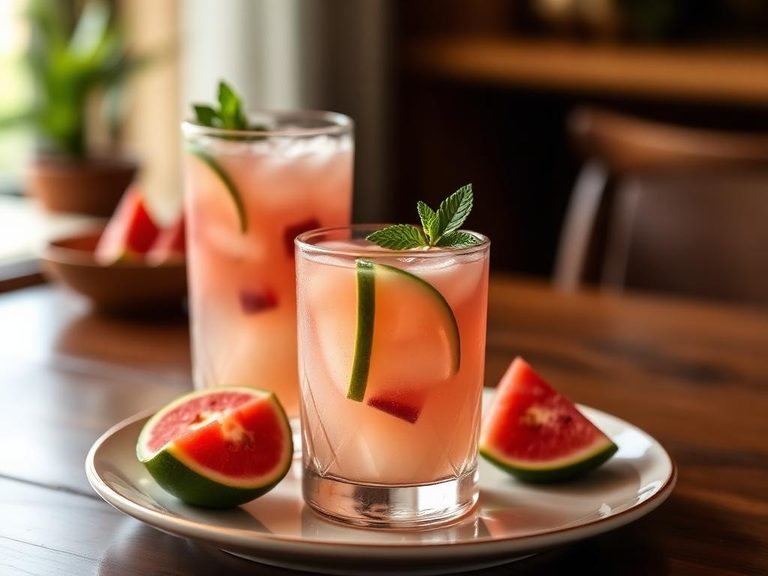
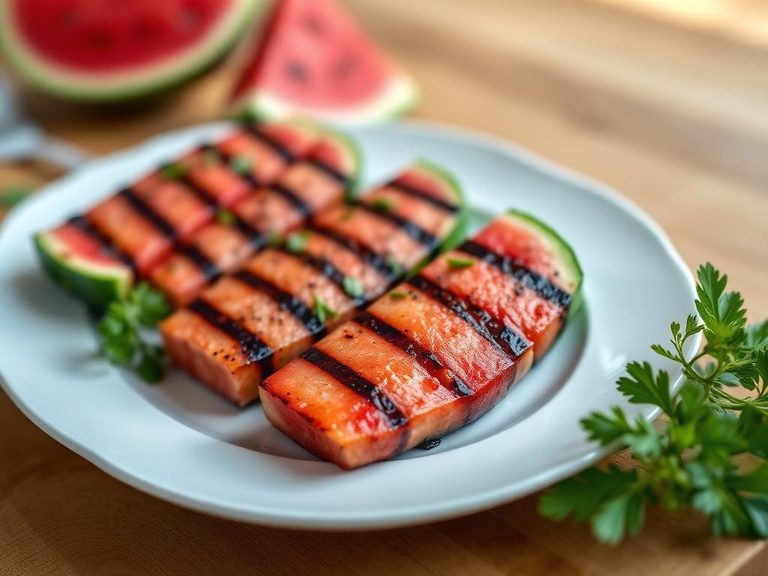
People love watermelon for its intensely sweet, thirst-quenching flavor and crisp, satisfying texture that epitomizes summer. Its versatility allows it to be eaten fresh, blended into drinks, or even grilled, making it a beloved centerpiece for picnics and gatherings worldwide.
⚠️ Watch-outs & how to enjoy it better
Due to its natural sugar content, consuming large portions can cause a rapid rise in blood sugar, which is a consideration for those managing diabetes. To counteract this, pair a moderate serving with a source of protein or healthy fat, like a handful of nuts or a piece of cheese, to slow sugar absorption.
Key benefits
- Excellent source of hydration due to high water content.
- Rich in lycopene, a powerful antioxidant linked to heart and skin health.
- Good source of vitamin C, supporting immune function.
- Contains citrulline, an amino acid that may support exercise performance.
- Low in calories and contains no fat or cholesterol.
🍽️ Popular dishes
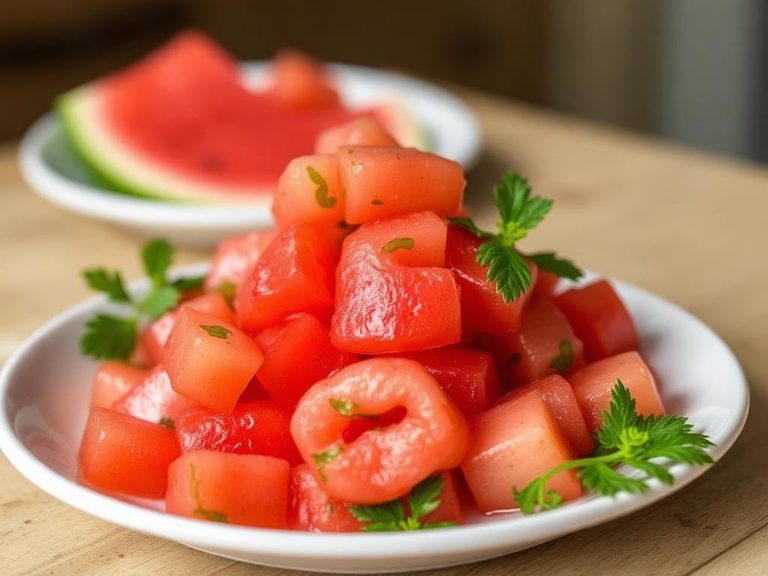
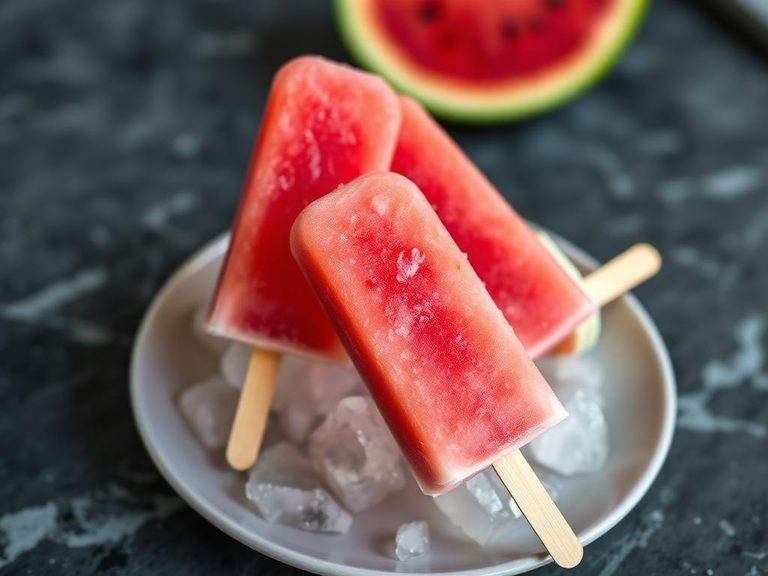
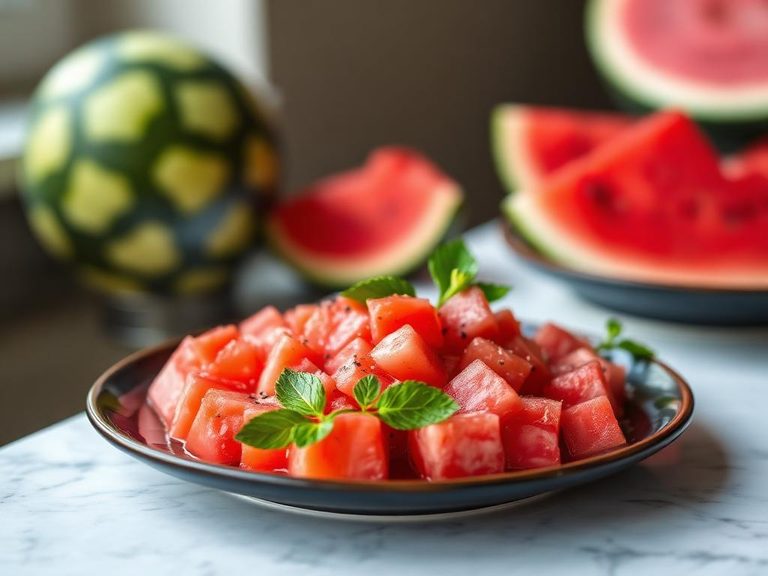
🌍 Where it's eaten
💡 Did you know?
The heaviest watermelon on record, grown in Tennessee in 2013, weighed 350.5 pounds (159 kg)—roughly the weight of a large adult male gorilla.
Full nutrition (scales with serving)
| Water | 91.5 g |
| Energy | 30.0 kcal |
| Protein | 0.61 g |
| Total lipid (fat) | 0.15 g |
| Carbohydrate, by difference | 7.5 g |
| Fiber, total dietary | 0.40 g |
| Total Sugars | 6.2 g |
| Calcium, Ca | 7.0 mg |
| Iron, Fe | 0.24 mg |
| Magnesium, Mg | 10.0 mg |
| Phosphorus, P | 11.0 mg |
| Potassium, K | 112 mg |
| Sodium, Na | 1.0 mg |
| Zinc, Zn | 0.10 mg |
| Copper, Cu | 0.04 mg |
| Selenium, Se | 0.40 ug |
| Vitamin C, total ascorbic acid | 8.1 mg |
| Thiamin | 0.03 mg |
| Riboflavin | 0.02 mg |
| Niacin | 0.18 mg |
| Vitamin B-6 | 0.04 mg |
| Folate, total | 3.0 ug |
| Folic acid | 0.00 ug |
| Folate, food | 3.0 ug |
| Folate, DFE | 3.0 ug |
| Choline, total | 4.1 mg |
| Vitamin B-12 | 0.00 ug |
| Vitamin B-12, added | 0.00 ug |
| Vitamin A, RAE | 28.0 ug |
| Retinol | 0.00 ug |
| Carotene, beta | 303 ug |
| Carotene, alpha | 0.00 ug |
| Cryptoxanthin, beta | 78.0 ug |
| Lycopene | 4532 ug |
| Lutein + zeaxanthin | 8.0 ug |
| Vitamin E (alpha-tocopherol) | 0.05 mg |
| Vitamin E, added | 0.00 mg |
| Vitamin D (D2 + D3) | 0.00 ug |
| Vitamin K (phylloquinone) | 0.10 ug |
| Fatty acids, total saturated | 0.02 g |
| SFA 4:0 | 0.00 g |
| SFA 6:0 | 0.00 g |
| SFA 8:0 | 0.00 g |
| SFA 10:0 | 0.00 g |
| SFA 12:0 | 0.00 g |
| SFA 14:0 | 0.00 g |
| SFA 16:0 | 0.01 g |
| SFA 18:0 | 0.01 g |
| Fatty acids, total monounsaturated | 0.04 g |
| MUFA 16:1 | 0.00 g |
| MUFA 18:1 | 0.04 g |
| MUFA 20:1 | 0.00 g |
| MUFA 22:1 | 0.00 g |
| Fatty acids, total polyunsaturated | 0.05 g |
| PUFA 18:2 | 0.05 g |
| PUFA 18:3 | 0.00 g |
| PUFA 18:4 | 0.00 g |
| PUFA 20:4 | 0.00 g |
| PUFA 20:5 n-3 (EPA) | 0.00 g |
| PUFA 22:5 n-3 (DPA) | 0.00 g |
| PUFA 22:6 n-3 (DHA) | 0.00 g |
| Cholesterol | 0.00 mg |
| Alcohol, ethyl | 0.00 g |
| Caffeine | 0.00 mg |
| Theobromine | 0.00 mg |
FAQ
Is watermelon mostly sugar?
By weight, watermelon is over 90% water. Its sugar content (about 6g per 100g) is lower than many other fruits like grapes or bananas, but its high water content makes the sweetness very noticeable.
Can I eat the rind?
Yes, the white part of the rind is edible and contains fiber and citrulline. It's often pickled, stir-fried, or blended into smoothies for a less sweet, crunchy texture.
Why does watermelon sometimes cause digestive discomfort?
This is often due to its high fructose and sorbitol content, which can be difficult for some people to digest in large amounts. Eating it in moderation and ensuring it's well-chilled can help minimize this.