

Veal, variety meats and by-products, brain, cooked, pan-fried
Whole food · Lamb, Veal, and Game Products

Photo: Wikipedia
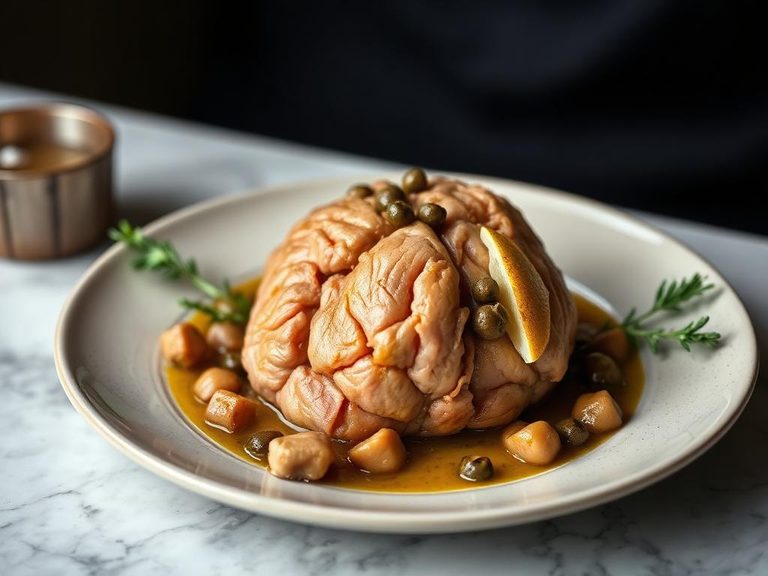
Pan-fried veal brain is a delicacy with a remarkably soft, custard-like texture and a mild, subtly sweet flavor that absorbs seasonings beautifully. Nutritionally, it's a concentrated source of high-quality protein and healthy fats, providing a significant energy boost with virtually no carbohydrates.
Calorie split: 28% protein · 0% carbs · 72% fat
↓ Full nutrition💚 Why it's loved
It's prized for its unique, melt-in-the-mouth texture and delicate flavor that serves as a canvas for herbs, spices, and sauces. In many cultures, it's a cherished traditional dish, often associated with rustic, nose-to-tail eating and festive occasions.
⚠️ Watch-outs & how to enjoy it better
The texture can be off-putting to those unfamiliar with it, and its high fat content means it's calorie-dense. It should be consumed in moderation, and those with specific dietary restrictions or cholesterol concerns should consult a healthcare provider. To balance a meal, pair it with fiber-rich vegetables like steamed greens or a sharp salad to add volume and nutrients.
Key benefits
- Excellent source of complete protein for muscle maintenance.
- Rich in essential fatty acids, including DHA.
- Provides key nutrients like vitamin B12 and selenium.
- Naturally very low in carbohydrates.
🍽️ Popular dishes
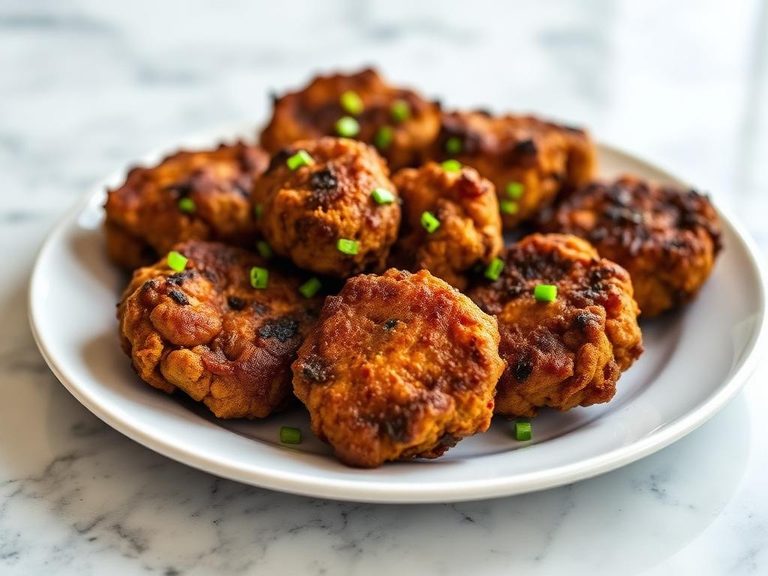
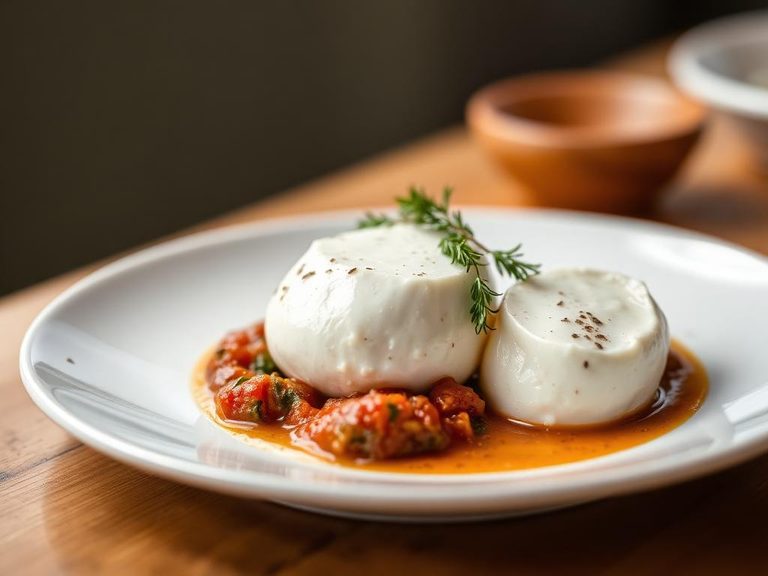
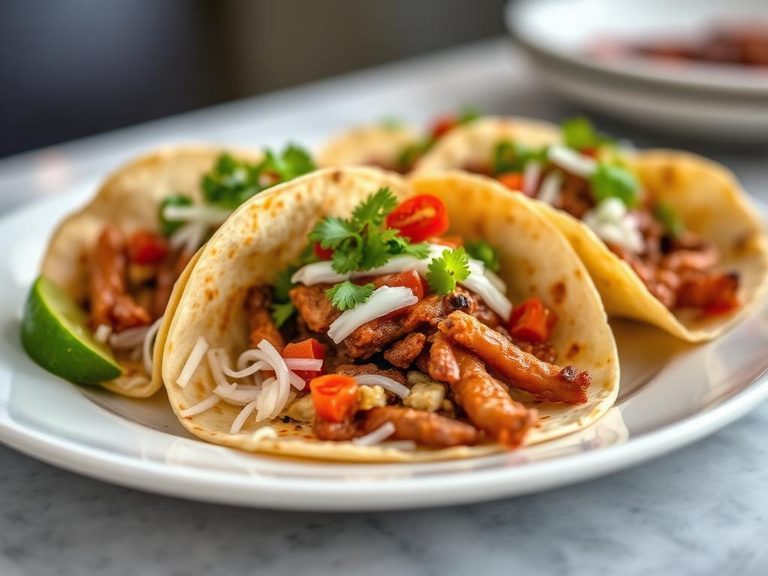
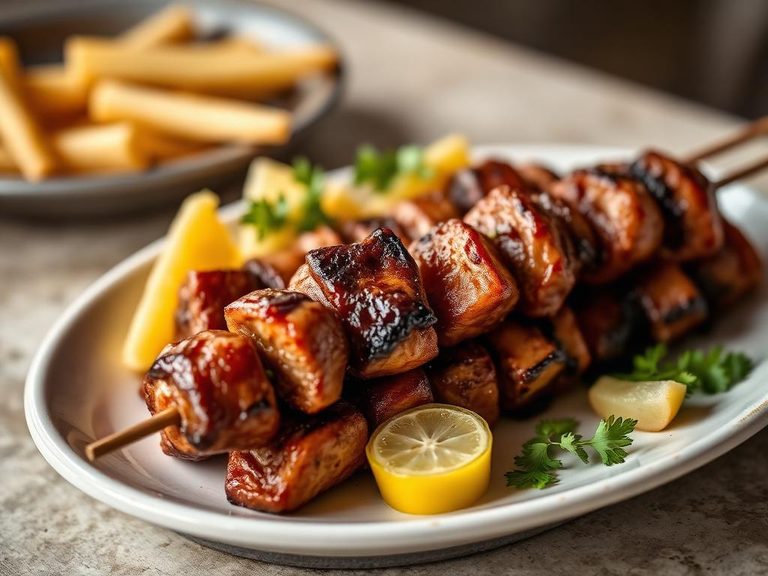
🌍 Where it's eaten
💡 Did you know?
A single serving of veal brain can provide over 100% of the recommended daily intake for vitamin B12, a nutrient crucial for nerve function and red blood cell formation.
Full nutrition (USDA data · scales with serving)
| Water | 68.6 g |
| Energy | 213 kcal |
| Energy | 891 kj |
| Protein | 14.5 g |
| Total lipid (fat) | 16.8 g |
| Ash | 1.9 g |
| Carbohydrate, by difference | 0.00 g |
| Fiber, total dietary | 0.00 g |
| Calcium, Ca | 10.0 mg |
| Iron, Fe | 1.1 mg |
| Magnesium, Mg | 18.0 mg |
| Phosphorus, P | 434 mg |
| Potassium, K | 472 mg |
| Sodium, Na | 176 mg |
| Zinc, Zn | 1.8 mg |
| Copper, Cu | 0.30 mg |
| Manganese, Mn | 0.04 mg |
| Selenium, Se | 12.0 ug |
| Vitamin C, total ascorbic acid | 15.0 mg |
| Thiamin | 0.15 mg |
| Riboflavin | 0.36 mg |
| Niacin | 5.6 mg |
| Pantothenic acid | 1.1 mg |
| Vitamin B-6 | 0.33 mg |
| Folate, total | 6.0 ug |
| Folic acid | 0.00 ug |
| Folate, food | 6.0 ug |
| Folate, DFE | 6.0 ug |
| Vitamin B-12 | 21.3 ug |
| Vitamin A, RAE | 0.00 ug |
| Retinol | 0.00 ug |
| Vitamin A, IU | 0.00 iu |
Fat & fatty acid profile (per 100g)
| Fatty acids, total saturated | 4.0 g |
| Fatty acids, total monounsaturated | 4.2 g |
| MUFA 18:1 | 3.7 g |
| Fatty acids, total polyunsaturated | 2.4 g |
| PUFA 18:2 | 0.89 g |
| Cholesterol | 2120 mg |
Amino acid profile (per 100g)
| Tryptophan | 0.14 g |
| Threonine | 0.72 g |
| Isoleucine | 0.59 g |
| Leucine | 1.1 g |
| Lysine | 0.90 g |
| Methionine | 0.32 g |
| Cystine | 0.15 g |
| Phenylalanine | 0.76 g |
| Tyrosine | 0.56 g |
| Valine | 0.69 g |
| Arginine | 0.79 g |
| Histidine | 0.36 g |
| Alanine | 0.74 g |
| Aspartic acid | 1.2 g |
| Glutamic acid | 1.7 g |
| Glycine | 0.64 g |
| Proline | 0.60 g |
| Serine | 0.74 g |
FAQ
How is veal brain typically prepared before cooking?
It is usually soaked in cold water or milk for several hours to draw out impurities and mellow the flavor, then gently poached before being pan-fried or used in other dishes.
Is the nutritional profile different from beef brain?
The profiles are very similar; veal (calf) brain may be slightly lower in fat and calories than mature beef brain but shares the same key nutrient density.
Why is it sometimes served with lemon?
The bright acidity of lemon cuts through the richness of the brain's fat, balances its mild flavor, and adds a fresh contrast to the soft texture.
Nutrient density (calculated · NRF9.3)
Nutrient Rich Foods index: beneficial nutrients (protein, fiber, vitamins, minerals) minus saturated fat, added sugar & sodium, per 100 kcal.
NRF9.3 index — Fulgoni, Keast & Drewnowski, 2009. Computed from USDA nutrients.
Weight-loss friendliness (composite index)
Energy density 2.13 kcal/g · 27% calories from protein · 0.0 g fiber · 0.0 g sugar per 100 g.
Composite of energy density (Rolls et al., 1999), protein & fiber satiety, minus sugar. A calculated heuristic — ranks satiety-per-calorie, not a clinical measure.
Dietary load (calculated from USDA values)
Potential renal acid load. Positive = acid-forming, negative = alkaline-forming.
Sodium-to-potassium ratio: 0.37 (lower is better — aim for ≤ 1)
Sodium:potassium per WHO potassium guidance. Computed from USDA nutrients.