Tomatoes, fresh, cooked
Common food

Photo: Wikipedia
Fresh, cooked tomatoes transform from a firm, juicy fruit into a soft, melt-in-your-mouth morsel with a concentrated, sweet-tart flavor. Cooking breaks down their cell walls, releasing a deeper, more savory umami character and making their vibrant red lycopene more bioavailable. They are a low-calorie, nutrient-dense staple, providing a good source of vitamins C and K, potassium, and the antioxidant lycopene.
💚 Why it's loved
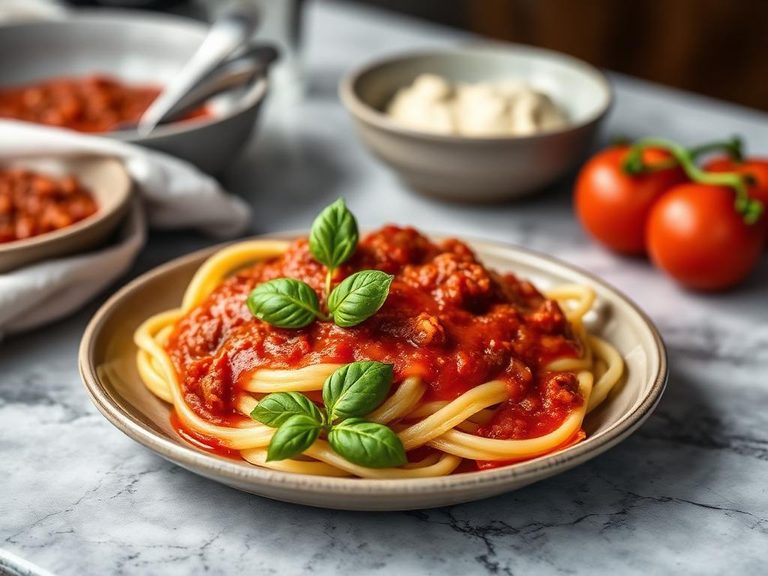
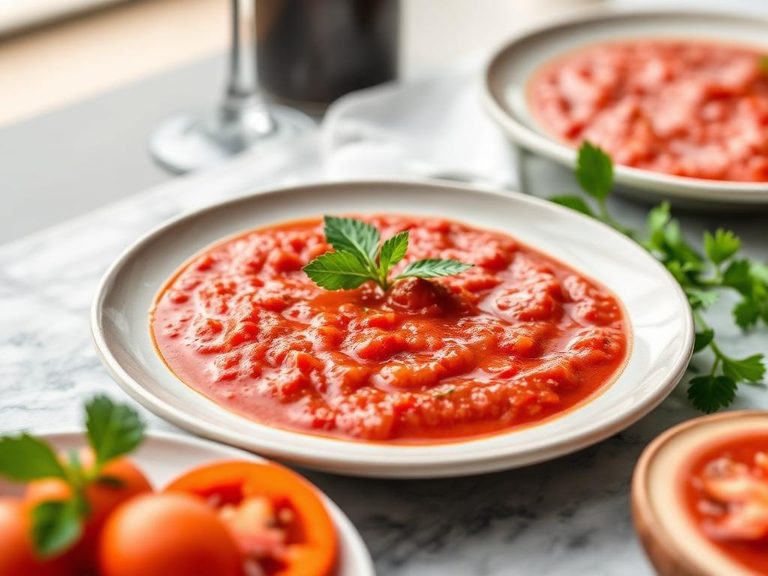
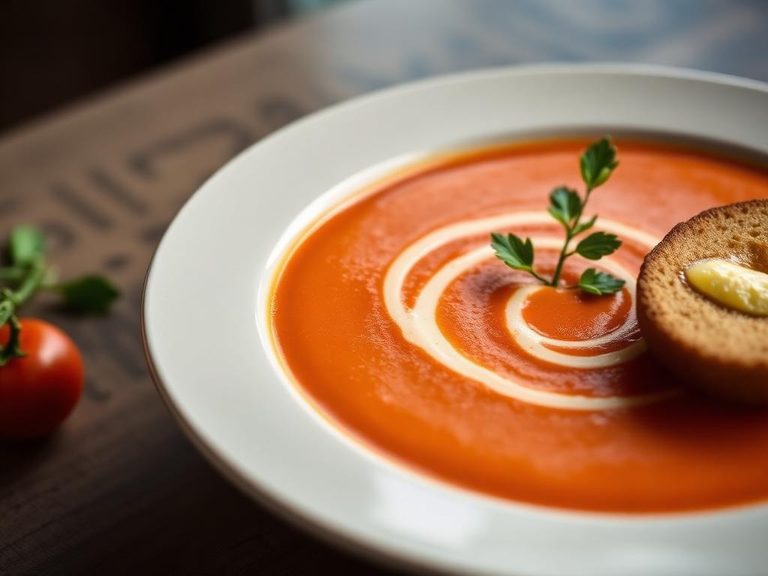
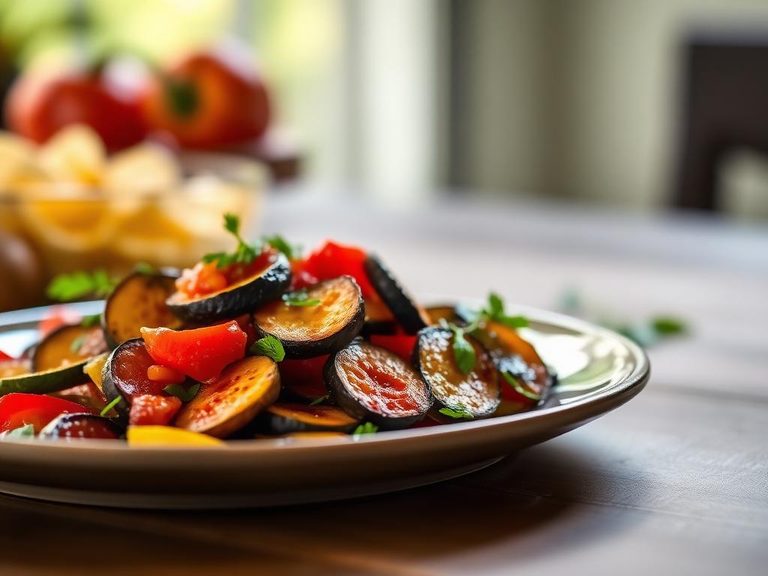
People adore cooked tomatoes for their incredible versatility—they form the savory backbone of countless sauces, soups, and stews across the globe. Their ability to meld sweet, acidic, and umami notes makes them a foundational flavor builder that can elevate a simple dish to something deeply satisfying.
⚠️ Watch-outs & how to enjoy it better
Their natural acidity can aggravate heartburn or acid reflux in sensitive individuals. To mitigate this, pair them with alkaline foods like spinach or a pinch of baking soda in sauces, or opt for lower-acid varieties like San Marzano tomatoes. The seeds and skin contain lectins and oxalates; for those with sensitivities, peeling and deseeding before cooking can reduce these compounds.
Key benefits
- Excellent source of the antioxidant lycopene, linked to heart and skin health.
- Rich in vitamin C, supporting immune function and collagen production.
- Provides potassium, which helps regulate blood pressure.
- High in water content, aiding hydration and satiety.
- Contains fiber, promoting digestive health.
🍽️ Popular dishes


🌍 Where it's eaten
💡 Did you know?
While botanically a fruit, the Supreme Court of the United States legally classified the tomato as a vegetable in 1893 for trade purposes, based on its common culinary use.
Full nutrition (scales with serving)
| Water | 89.8 g |
| Energy | 50.0 kcal |
| Protein | 1.1 g |
| Total lipid (fat) | 3.4 g |
| Carbohydrate, by difference | 4.7 g |
| Fiber, total dietary | 1.5 g |
| Total Sugars | 3.2 g |
| Calcium, Ca | 13.0 mg |
| Iron, Fe | 0.33 mg |
| Magnesium, Mg | 13.0 mg |
| Phosphorus, P | 29.0 mg |
| Potassium, K | 287 mg |
| Sodium, Na | 157 mg |
| Zinc, Zn | 0.21 mg |
| Copper, Cu | 0.07 mg |
| Selenium, Se | 0.00 ug |
| Vitamin C, total ascorbic acid | 15.8 mg |
| Thiamin | 0.04 mg |
| Riboflavin | 0.02 mg |
| Niacin | 0.68 mg |
| Vitamin B-6 | 0.11 mg |
| Folate, total | 13.0 ug |
| Folic acid | 0.00 ug |
| Folate, food | 13.0 ug |
| Folate, DFE | 13.0 ug |
| Choline, total | 7.6 mg |
| Vitamin B-12 | 0.00 ug |
| Vitamin B-12, added | 0.00 ug |
| Vitamin A, RAE | 62.0 ug |
| Retinol | 14.0 ug |
| Carotene, beta | 522 ug |
| Carotene, alpha | 116 ug |
| Cryptoxanthin, beta | 0.00 ug |
| Lycopene | 2958 ug |
| Lutein + zeaxanthin | 141 ug |
| Vitamin E (alpha-tocopherol) | 1.1 mg |
| Vitamin E, added | 0.00 mg |
| Vitamin D (D2 + D3) | 0.00 ug |
| Vitamin K (phylloquinone) | 12.2 ug |
| Fatty acids, total saturated | 0.87 g |
| SFA 4:0 | 0.02 g |
| SFA 6:0 | 0.02 g |
| SFA 8:0 | 0.01 g |
| SFA 10:0 | 0.02 g |
| SFA 12:0 | 0.03 g |
| SFA 14:0 | 0.08 g |
| SFA 16:0 | 0.48 g |
| SFA 18:0 | 0.18 g |
| Fatty acids, total monounsaturated | 1.2 g |
| MUFA 16:1 | 0.02 g |
| MUFA 18:1 | 1.1 g |
| MUFA 20:1 | 0.01 g |
| MUFA 22:1 | 0.00 g |
| Fatty acids, total polyunsaturated | 1.0 g |
| PUFA 18:2 | 0.91 g |
| PUFA 18:3 | 0.10 g |
| PUFA 18:4 | 0.00 g |
| PUFA 20:4 | 0.00 g |
| PUFA 20:5 n-3 (EPA) | 0.00 g |
| PUFA 22:5 n-3 (DPA) | 0.00 g |
| PUFA 22:6 n-3 (DHA) | 0.00 g |
| Cholesterol | 3.0 mg |
| Alcohol, ethyl | 0.00 g |
| Caffeine | 0.00 mg |
| Theobromine | 0.00 mg |
FAQ
Why do cooked tomatoes have more available lycopene than raw ones?
Cooking breaks down the tough plant cell walls, making the fat-soluble lycopene easier for your body to absorb. Pairing them with a little oil, as in most sauces, further boosts absorption.
How can I reduce the acidity of tomato sauce without adding sugar?
Add a pinch of baking soda (it will fizz), which neutralizes some acid. You can also simmer the sauce uncovered for longer to concentrate flavors, or add a diced carrot, which releases natural sweetness as it cooks.
What's the difference between using fresh and canned tomatoes for sauce?
Fresh, in-season tomatoes offer a brighter, fresher flavor. High-quality canned tomatoes (like San Marzano) are picked at peak ripeness and are often more consistent and flavorful year-round, especially for long-simmered sauces.