

Toddler formula, Nido Kinder
Common food

Photo: Wikipedia
Nido Kinder is a popular powdered milk beverage mix designed for children, offering a creamy, sweet taste with a smooth, dissolvable texture. It's a fortified, convenient way to add dairy nutrition, providing a notable source of protein and calcium in a form that mixes easily into water or milk.
Calorie split: 11% protein · 41% carbs · 48% fat
↓ Full nutrition💚 Why it's loved
Parents and kids love it for its familiar, comforting sweet milk flavor and the ease of making a nutritious drink instantly. It's a staple in many households for its versatility in recipes and as a quick nutritional boost.
⚠️ Watch-outs & how to enjoy it better
The high sugar content (6.42g per 100g) can contribute to excessive sugar intake if consumed frequently or in large quantities. To mitigate this, use it as an occasional treat rather than a daily staple, and consider mixing it with plain milk instead of water to dilute the sweetness. It also contains lactose, a common allergen for those with dairy sensitivities.
Key benefits
- Fortified with essential vitamins and minerals like calcium and iron
- Provides a convenient source of protein and energy for growing children
- Shelf-stable powder format offers long-lasting usability
- Easy to prepare by mixing with water or milk
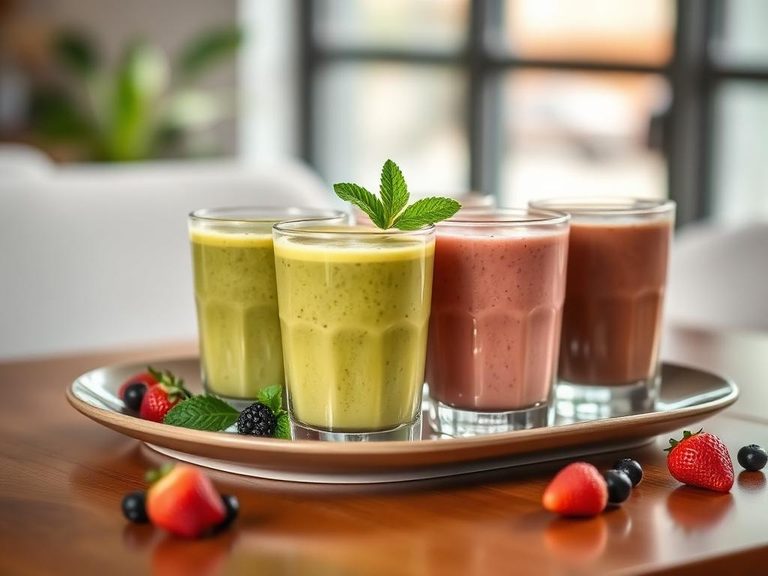
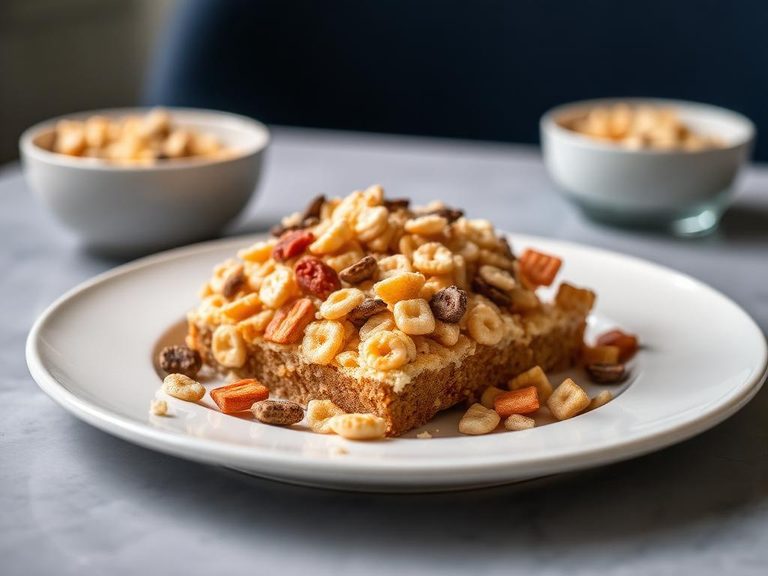
🍽️ Popular dishes



🌍 Where it's eaten
💡 Did you know?
Nido is a brand name from Nestlé that translates to 'nest' in Spanish, symbolizing nourishment and care for the family.
Full nutrition (USDA data · scales with serving)
| Water | 88.0 g |
| Energy | 62.0 kcal |
| Protein | 1.7 g |
| Total lipid (fat) | 3.3 g |
| Carbohydrate, by difference | 6.4 g |
| Fiber, total dietary | 0.00 g |
| Total Sugars | 6.4 g |
| Calcium, Ca | 121 mg |
| Iron, Fe | 1.1 mg |
| Magnesium, Mg | 5.0 mg |
| Phosphorus, P | 80.0 mg |
| Potassium, K | 86.0 mg |
| Sodium, Na | 21.0 mg |
| Zinc, Zn | 0.55 mg |
| Copper, Cu | 0.05 mg |
| Selenium, Se | 1.4 ug |
| Vitamin C, total ascorbic acid | 7.4 mg |
| Thiamin | 0.06 mg |
| Riboflavin | 0.09 mg |
| Niacin | 0.63 mg |
| Vitamin B-6 | 0.04 mg |
| Folate, total | 10.0 ug |
| Folic acid | 10.0 ug |
| Folate, food | 0.00 ug |
| Folate, DFE | 16.0 ug |
| Choline, total | 12.5 mg |
| Vitamin B-12 | 0.18 ug |
| Vitamin B-12, added | 0.18 ug |
| Vitamin A, RAE | 56.0 ug |
| Retinol | 56.0 ug |
| Carotene, beta | 0.00 ug |
| Carotene, alpha | 0.00 ug |
| Cryptoxanthin, beta | 0.00 ug |
| Lycopene | 0.00 ug |
| Lutein + zeaxanthin | 0.00 ug |
| Vitamin E (alpha-tocopherol) | 0.88 mg |
| Vitamin E, added | 0.88 mg |
| Vitamin D (D2 + D3) | 0.90 ug |
| Vitamin K (phylloquinone) | 5.3 ug |
| Alcohol, ethyl | 0.00 g |
| Caffeine | 0.00 mg |
| Theobromine | 0.00 mg |
Fat & fatty acid profile (per 100g)
| Fatty acids, total saturated | 1.4 g |
| SFA 4:0 | 0.00 g |
| SFA 6:0 | 0.01 g |
| SFA 8:0 | 0.05 g |
| SFA 10:0 | 0.04 g |
| SFA 12:0 | 0.29 g |
| SFA 14:0 | 0.13 g |
| SFA 16:0 | 0.71 g |
| SFA 18:0 | 0.13 g |
| Fatty acids, total monounsaturated | 1.2 g |
| MUFA 16:1 | 0.01 g |
| MUFA 18:1 | 1.1 g |
| MUFA 20:1 | 0.01 g |
| MUFA 22:1 | 0.01 g |
| Fatty acids, total polyunsaturated | 0.62 g |
| PUFA 18:2 | 0.53 g |
| PUFA 18:3 | 0.05 g |
| PUFA 18:4 | 0.01 g |
| PUFA 20:4 | 0.02 g |
| PUFA 20:5 n-3 (EPA) | 0.00 g |
| PUFA 22:5 n-3 (DPA) | 0.00 g |
| PUFA 22:6 n-3 (DHA) | 0.01 g |
| Cholesterol | 0.00 mg |
FAQ
Is Nido Kinder the same as regular powdered milk?
No, it's a formulated beverage mix, typically sweetened and fortified with additional vitamins and minerals beyond standard powdered milk, and is specifically marketed for children.
Can adults drink Nido Kinder?
Yes, adults can consume it, but it's formulated with children's nutritional needs in mind and is higher in sugar than many adult powdered milks. It's best enjoyed in moderation.
How should I store opened Nido Kinder?
Once opened, it should be stored in a cool, dry place with the lid tightly sealed to prevent moisture and clumping. Refrigeration is not necessary but can be done in humid climates.
Nutrient density (calculated · NRF9.3)
Nutrient Rich Foods index: beneficial nutrients (protein, fiber, vitamins, minerals) minus saturated fat, added sugar & sodium, per 100 kcal.
NRF9.3 index — Fulgoni, Keast & Drewnowski, 2009. Computed from USDA nutrients.
Weight-loss friendliness (composite index)
Energy density 0.62 kcal/g · 11% calories from protein · 0.0 g fiber · 6.4 g sugar per 100 g.
Composite of energy density (Rolls et al., 1999), protein & fiber satiety, minus sugar. A calculated heuristic — ranks satiety-per-calorie, not a clinical measure.
Dietary load (calculated from USDA values)
Potential renal acid load. Positive = acid-forming, negative = alkaline-forming.
Sodium-to-potassium ratio: 0.24 (lower is better — aim for ≤ 1)
Sodium:potassium per WHO potassium guidance. Computed from USDA nutrients.