

Sun-dried tomatoes
Common food

Photo: Wikipedia
Sun-dried tomatoes are fresh tomatoes that have lost most of their water content through sun or dehydrator exposure, resulting in a chewy, intensely flavored ingredient. Their taste is a powerful umami bomb—sweet, tangy, and deeply savory, with a concentrated tomato essence. Nutritionally, they are a standout source of fiber and protein relative to their calorie count.
Calorie split: 18% protein · 73% carbs · 9% fat
↓ Full nutrition💚 Why it's loved
People adore sun-dried tomatoes for their explosive, concentrated flavor that can elevate simple dishes like pasta, salads, and sandwiches. Their unique chewy texture and sweet-tart profile make them a versatile pantry staple in Mediterranean-inspired cooking.
⚠️ Watch-outs & how to enjoy it better
The high natural sugar content (37.59g per 100g) can contribute to blood sugar spikes if consumed in large quantities. Many commercially packaged varieties are packed in oil or brine, significantly increasing sodium and calorie intake. To mitigate this, rinse them before use, choose dry-packed versions, and pair with healthy fats (like olive oil) and protein to slow sugar absorption.
Key benefits
- Excellent source of dietary fiber (12.3g per 100g)
- High in plant-based protein (14.11g per 100g)
- Rich in antioxidants like lycopene
- Concentrated source of vitamins C and K
- Adds deep umami flavor without added fats
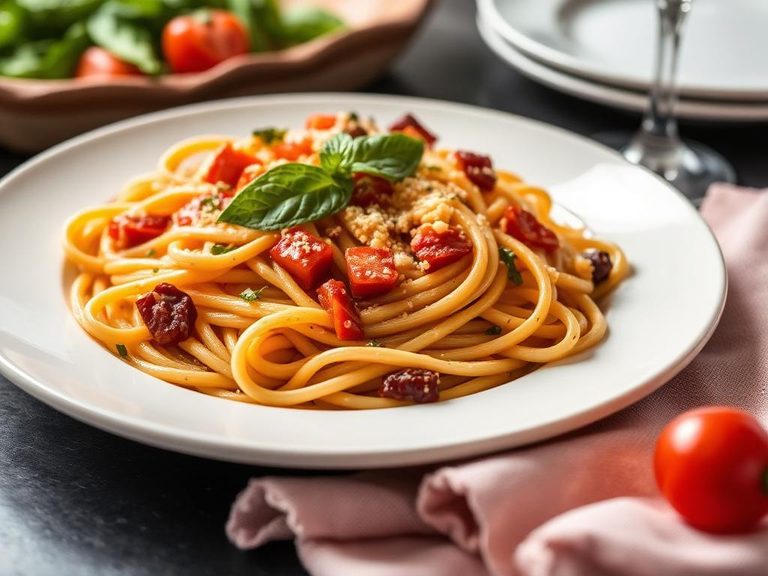
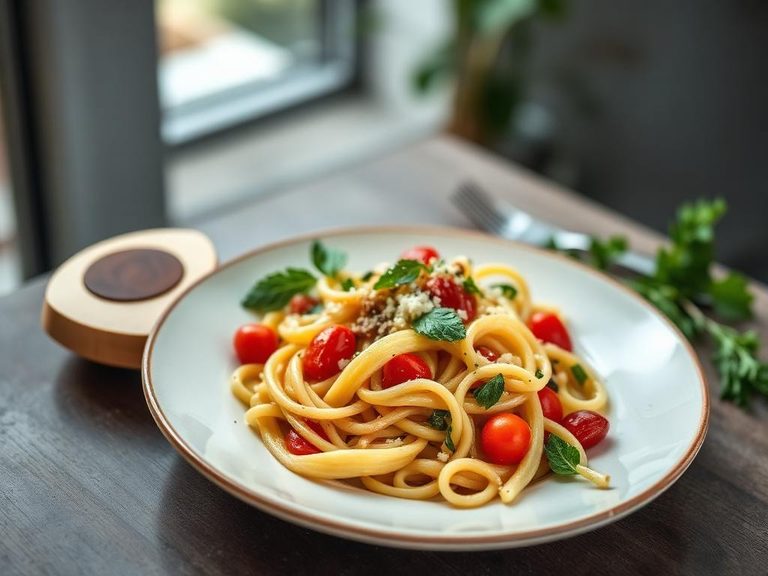
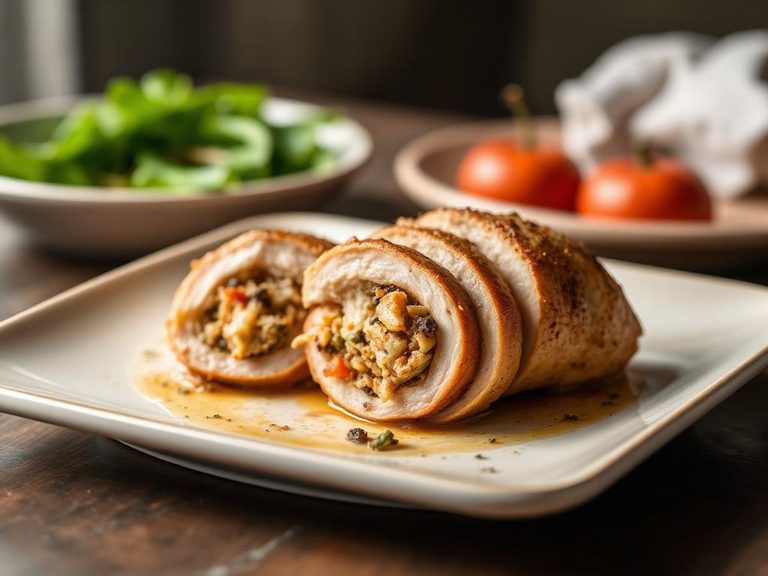
🍽️ Popular dishes



🌍 Where it's eaten
💡 Did you know?
The process of sun-drying tomatoes was originally developed in the Mediterranean as a preservation method, but it also dramatically increases the concentration of the antioxidant lycopene, making them even more nutritious than fresh tomatoes in some ways.
Full nutrition (USDA data · scales with serving)
| Water | 14.6 g |
| Energy | 258 kcal |
| Protein | 14.1 g |
| Total lipid (fat) | 3.0 g |
| Carbohydrate, by difference | 55.8 g |
| Fiber, total dietary | 12.3 g |
| Total Sugars | 37.6 g |
| Calcium, Ca | 110 mg |
| Iron, Fe | 9.1 mg |
| Magnesium, Mg | 194 mg |
| Phosphorus, P | 356 mg |
| Potassium, K | 3427 mg |
| Sodium, Na | 107 mg |
| Zinc, Zn | 2.0 mg |
| Copper, Cu | 1.4 mg |
| Selenium, Se | 5.5 ug |
| Vitamin C, total ascorbic acid | 39.2 mg |
| Thiamin | 0.53 mg |
| Riboflavin | 0.49 mg |
| Niacin | 9.1 mg |
| Vitamin B-6 | 0.33 mg |
| Folate, total | 68.0 ug |
| Folic acid | 0.00 ug |
| Folate, food | 68.0 ug |
| Folate, DFE | 68.0 ug |
| Choline, total | 105 mg |
| Vitamin B-12 | 0.00 ug |
| Vitamin B-12, added | 0.00 ug |
| Vitamin A, RAE | 44.0 ug |
| Retinol | 0.00 ug |
| Carotene, beta | 524 ug |
| Carotene, alpha | 0.00 ug |
| Cryptoxanthin, beta | 0.00 ug |
| Lycopene | 45902 ug |
| Lutein + zeaxanthin | 1419 ug |
| Vitamin E (alpha-tocopherol) | 0.01 mg |
| Vitamin E, added | 0.00 mg |
| Vitamin D (D2 + D3) | 0.00 ug |
| Vitamin K (phylloquinone) | 43.0 ug |
| Alcohol, ethyl | 0.00 g |
| Caffeine | 0.00 mg |
| Theobromine | 0.00 mg |
Fat & fatty acid profile (per 100g)
| Fatty acids, total saturated | 0.43 g |
| SFA 4:0 | 0.00 g |
| SFA 6:0 | 0.00 g |
| SFA 8:0 | 0.00 g |
| SFA 10:0 | 0.00 g |
| SFA 12:0 | 0.00 g |
| SFA 14:0 | 0.00 g |
| SFA 16:0 | 0.33 g |
| SFA 18:0 | 0.10 g |
| Fatty acids, total monounsaturated | 0.49 g |
| MUFA 16:1 | 0.01 g |
| MUFA 18:1 | 0.48 g |
| MUFA 20:1 | 0.00 g |
| MUFA 22:1 | 0.00 g |
| Fatty acids, total polyunsaturated | 1.1 g |
| PUFA 18:2 | 1.1 g |
| PUFA 18:3 | 0.01 g |
| PUFA 18:4 | 0.00 g |
| PUFA 20:4 | 0.00 g |
| PUFA 20:5 n-3 (EPA) | 0.00 g |
| PUFA 22:5 n-3 (DPA) | 0.00 g |
| PUFA 22:6 n-3 (DHA) | 0.00 g |
| Cholesterol | 0.00 mg |
FAQ
Are sun-dried tomatoes healthier than fresh tomatoes?
They are nutritionally different. Sun-drying concentrates calories, natural sugars, fiber, and certain antioxidants like lycopene, but it also reduces water-soluble vitamins like Vitamin C. They are a nutrient-dense option, not a direct replacement.
Why are some sun-dried tomatoes packed in oil?
The oil (usually olive oil) acts as a preservative, helps retain a softer texture, and infuses them with additional flavor. The oil itself becomes a flavorful ingredient for cooking.
How should I store opened sun-dried tomatoes?
If dry-packed, store in an airtight container in the refrigerator for up to a month. If oil-packed, ensure the tomatoes are fully submerged in their oil, cover, and refrigerate. They can also be frozen for longer storage.
Nutrient density (calculated · NRF9.3)
Nutrient Rich Foods index: beneficial nutrients (protein, fiber, vitamins, minerals) minus saturated fat, added sugar & sodium, per 100 kcal.
NRF9.3 index — Fulgoni, Keast & Drewnowski, 2009. Computed from USDA nutrients.
Weight-loss friendliness (composite index)
Energy density 2.58 kcal/g · 22% calories from protein · 12.3 g fiber · 37.6 g sugar per 100 g.
Composite of energy density (Rolls et al., 1999), protein & fiber satiety, minus sugar. A calculated heuristic — ranks satiety-per-calorie, not a clinical measure.
Dietary load (calculated from USDA values)
Potential renal acid load. Positive = acid-forming, negative = alkaline-forming.
Sodium-to-potassium ratio: 0.03 (lower is better — aim for ≤ 1)
Sodium:potassium per WHO potassium guidance. Computed from USDA nutrients.