

Stewed pork, Puerto Rican style
Common food

Photo: Wikipedia
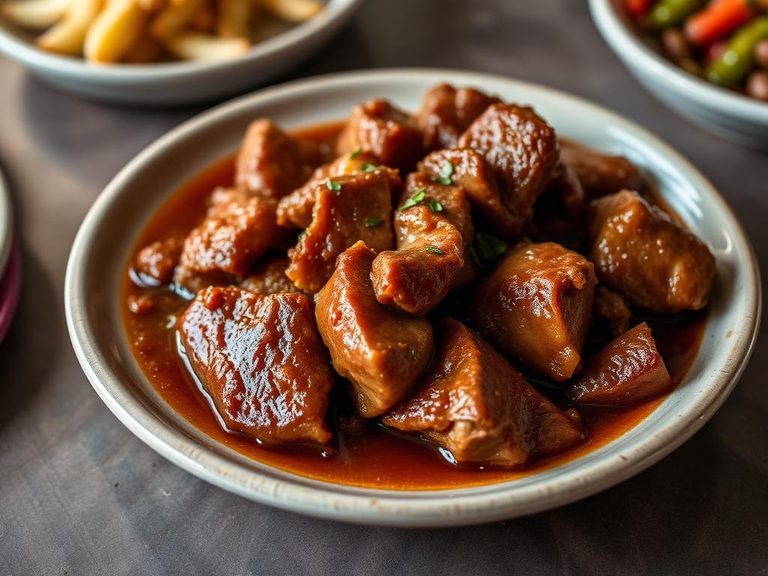
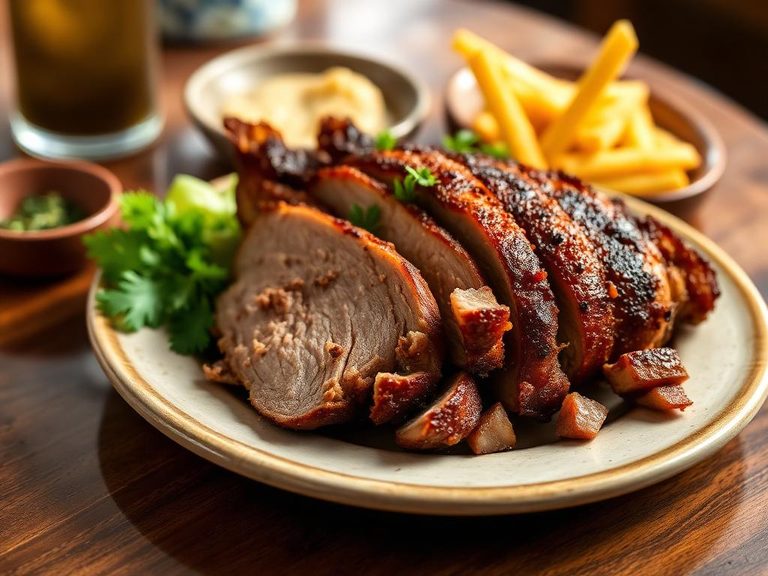
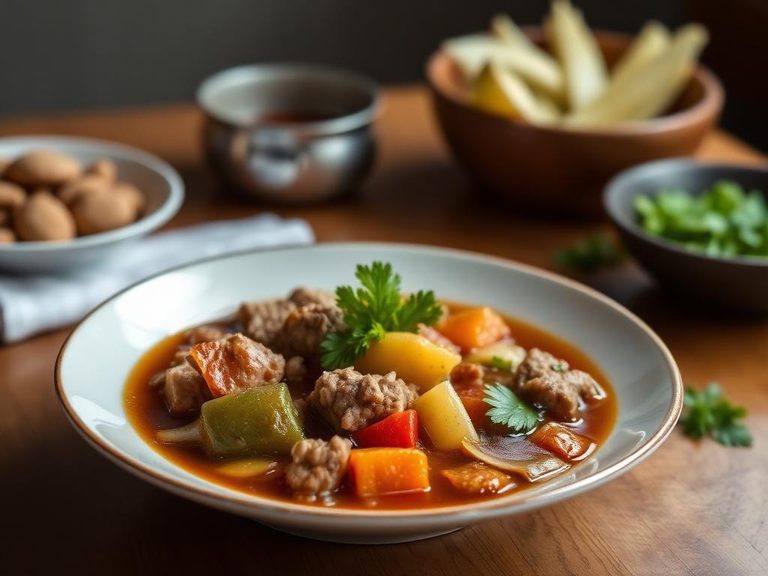
Stewed pork, Puerto Rican style, known as *puerto de cerdo guisado*, is a savory, slow-cooked dish where tender chunks of pork shoulder simmer in a rich, aromatic sauce built on sofrito, tomato, and a blend of spices. The meat becomes fall-apart tender, absorbing the deep, earthy flavors of the stew, resulting in a hearty, comforting texture with a slight tang from the tomato base. With 17.91g of protein per 100g and a moderate fat content, it provides a substantial, satisfying meal that fuels energy while offering a balanced macronutrient profile for those seeking a protein-rich, flavorful option.
Calorie split: 36% protein · 6% carbs · 58% fat
↓ Full nutrition💚 Why it's loved
People love this dish for its deep, complex flavor profile that balances savory, slightly sweet, and aromatic notes, making it a comforting staple in Puerto Rican households. Its versatility allows it to be served with rice, beans, or plantains, and it's often a centerpiece of family gatherings, evoking nostalgia and cultural pride.
⚠️ Watch-outs & how to enjoy it better
The dish can be high in sodium and saturated fat, which may be a concern for those with hypertension or heart health issues. To counteract this, opt for leaner cuts of pork, reduce added salt, and pair it with fiber-rich sides like steamed vegetables or whole grains to balance the meal.
Key benefits
- High-quality protein supports muscle maintenance and satiety.
- Rich in iron and B vitamins from pork, essential for energy metabolism.
- Contains antioxidants from sofrito ingredients like garlic, onions, and peppers.
- Slow cooking preserves nutrients and enhances digestibility.
- Provides healthy fats from pork shoulder, which can support hormone production.
🍽️ Popular dishes
🌍 Where it's eaten
💡 Did you know?
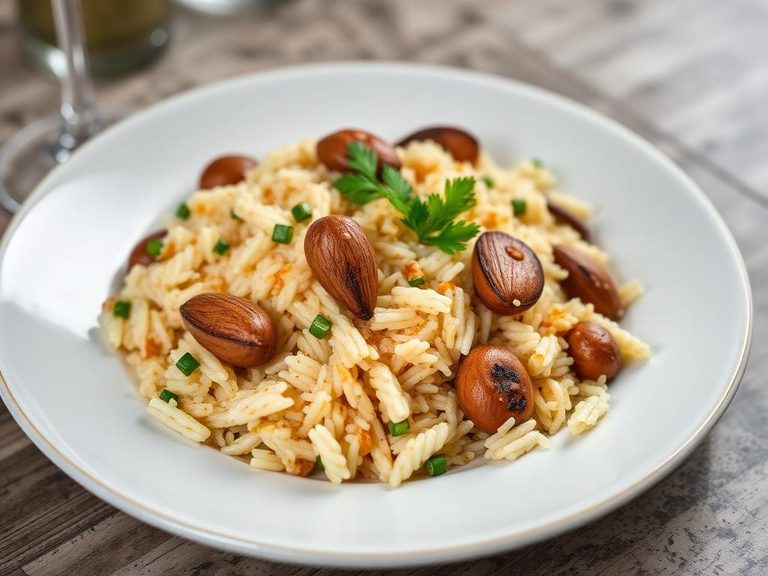
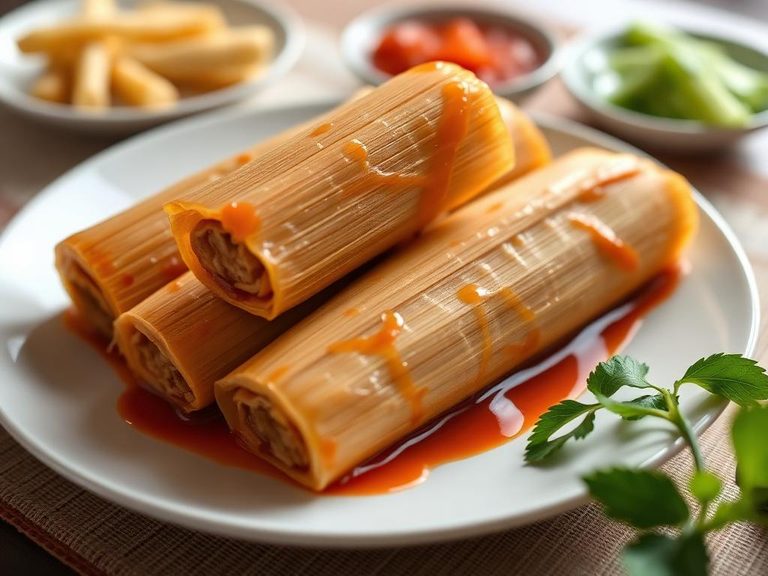
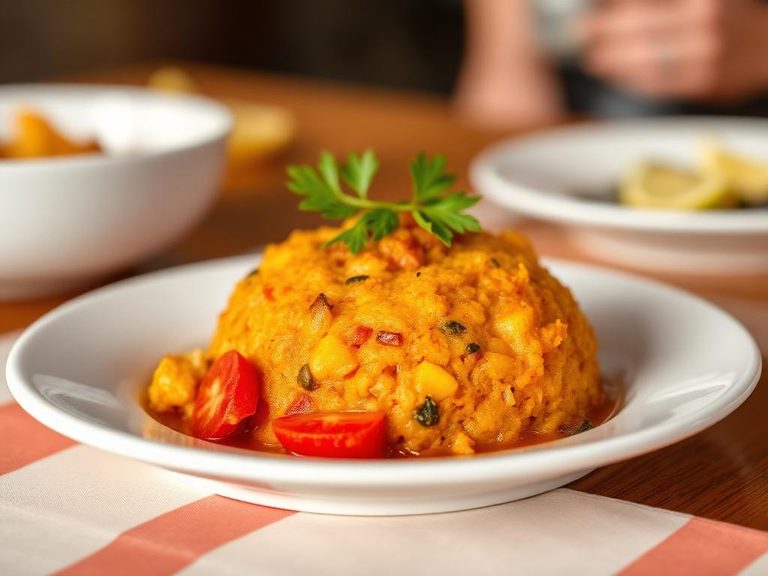
In Puerto Rico, stewed pork is often cooked in a large pot called a 'caldero' and is traditionally served during holidays like Christmas, where it's paired with 'arroz con gandules' and 'pasteles' for a festive feast.
Full nutrition (USDA data · scales with serving)
| Water | 64.4 g |
| Energy | 200 kcal |
| Protein | 17.9 g |
| Total lipid (fat) | 12.7 g |
| Carbohydrate, by difference | 2.8 g |
| Fiber, total dietary | 0.60 g |
| Total Sugars | 1.3 g |
| Calcium, Ca | 20.0 mg |
| Iron, Fe | 1.1 mg |
| Magnesium, Mg | 26.0 mg |
| Phosphorus, P | 189 mg |
| Potassium, K | 401 mg |
| Sodium, Na | 579 mg |
| Zinc, Zn | 1.9 mg |
| Copper, Cu | 0.12 mg |
| Selenium, Se | 27.4 ug |
| Vitamin C, total ascorbic acid | 8.2 mg |
| Thiamin | 0.30 mg |
| Riboflavin | 0.21 mg |
| Niacin | 4.6 mg |
| Vitamin B-6 | 0.39 mg |
| Folate, total | 5.0 ug |
| Folic acid | 0.00 ug |
| Folate, food | 5.0 ug |
| Folate, DFE | 5.0 ug |
| Choline, total | 45.6 mg |
| Vitamin B-12 | 0.40 ug |
| Vitamin B-12, added | 0.00 ug |
| Vitamin A, RAE | 8.0 ug |
| Retinol | 1.0 ug |
| Carotene, beta | 88.0 ug |
| Carotene, alpha | 6.0 ug |
| Cryptoxanthin, beta | 1.0 ug |
| Lycopene | 3147 ug |
| Lutein + zeaxanthin | 38.0 ug |
| Vitamin E (alpha-tocopherol) | 2.0 mg |
| Vitamin E, added | 0.00 mg |
| Vitamin D (D2 + D3) | 0.40 ug |
| Vitamin K (phylloquinone) | 4.8 ug |
| Alcohol, ethyl | 0.00 g |
| Caffeine | 0.00 mg |
| Theobromine | 0.00 mg |
Fat & fatty acid profile (per 100g)
| Fatty acids, total saturated | 3.0 g |
| SFA 4:0 | 0.00 g |
| SFA 6:0 | 0.00 g |
| SFA 8:0 | 0.00 g |
| SFA 10:0 | 0.00 g |
| SFA 12:0 | 0.01 g |
| SFA 14:0 | 0.07 g |
| SFA 16:0 | 2.0 g |
| SFA 18:0 | 0.79 g |
| Fatty acids, total monounsaturated | 7.4 g |
| MUFA 16:1 | 0.22 g |
| MUFA 18:1 | 7.1 g |
| MUFA 20:1 | 0.05 g |
| MUFA 22:1 | 0.00 g |
| Fatty acids, total polyunsaturated | 1.3 g |
| PUFA 18:2 | 1.2 g |
| PUFA 18:3 | 0.08 g |
| PUFA 18:4 | 0.00 g |
| PUFA 20:4 | 0.04 g |
| PUFA 20:5 n-3 (EPA) | 0.00 g |
| PUFA 22:5 n-3 (DPA) | 0.00 g |
| PUFA 22:6 n-3 (DHA) | 0.00 g |
| Cholesterol | 54.0 mg |
FAQ
What is the best cut of pork for Puerto Rican stewed pork?
The best cut is pork shoulder (also known as 'pernil' or 'pork butt'), as it has enough fat to keep the meat tender and flavorful during slow cooking, resulting in a rich, succulent stew.
How does Puerto Rican stewed pork differ from other Latin American stews?
Puerto Rican stewed pork is distinct due to its use of sofrito (a blend of garlic, onions, peppers, and cilantro), annatto (achiote) for color and flavor, and a balance of sweet and savory notes from tomatoes and olives, which sets it apart from similar dishes in other Latin American cuisines.
Can I make Puerto Rican stewed pork healthier without losing flavor?
Yes, you can use leaner cuts like pork loin, reduce added salt, and increase the amount of vegetables like bell peppers and tomatoes to boost fiber and nutrients while maintaining the dish's authentic taste.
Nutrient density (calculated · NRF9.3)
Nutrient Rich Foods index: beneficial nutrients (protein, fiber, vitamins, minerals) minus saturated fat, added sugar & sodium, per 100 kcal.
NRF9.3 index — Fulgoni, Keast & Drewnowski, 2009. Computed from USDA nutrients.
Weight-loss friendliness (composite index)
Energy density 2.00 kcal/g · 36% calories from protein · 0.6 g fiber · 1.3 g sugar per 100 g.
Composite of energy density (Rolls et al., 1999), protein & fiber satiety, minus sugar. A calculated heuristic — ranks satiety-per-calorie, not a clinical measure.
Dietary load (calculated from USDA values)
Potential renal acid load. Positive = acid-forming, negative = alkaline-forming.
Sodium-to-potassium ratio: 1.44 (lower is better — aim for ≤ 1)
Sodium:potassium per WHO potassium guidance. Computed from USDA nutrients.