Spinach, raw
Common food

Photo: Wikipedia
Raw spinach is a tender, leafy green with a mild, slightly earthy flavor and a delicate, crisp texture. Its vibrant green color signals a powerhouse of nutrients, notably being exceptionally low in calories while providing a good source of vitamins A and K. It's a foundational ingredient for adding fresh, peppery notes and a nutritional boost to countless dishes.
💚 Why it's loved
People love raw spinach for its mild, versatile flavor that acts as a perfect canvas for stronger ingredients like garlic, lemon, or cheese. It's celebrated for its convenience, transforming salads, smoothies, and sandwiches with a quick handful for an instant nutrient upgrade.
⚠️ Watch-outs & how to enjoy it better
Raw spinach contains oxalates, which can bind to minerals like calcium and iron, potentially reducing absorption and posing a risk for individuals prone to kidney stones. To counteract this, pair it with a vitamin C source (like lemon juice or strawberries) to boost iron uptake, and consider lightly cooking it to reduce oxalate content.
Key benefits
- Excellent source of vitamin K for bone health.
- Very low calorie, ideal for volume eating.
- Provides plant-based iron and folate.
- Contains antioxidants like lutein and zeaxanthin for eye health.
- High in water content, aiding hydration.
🍽️ Popular dishes
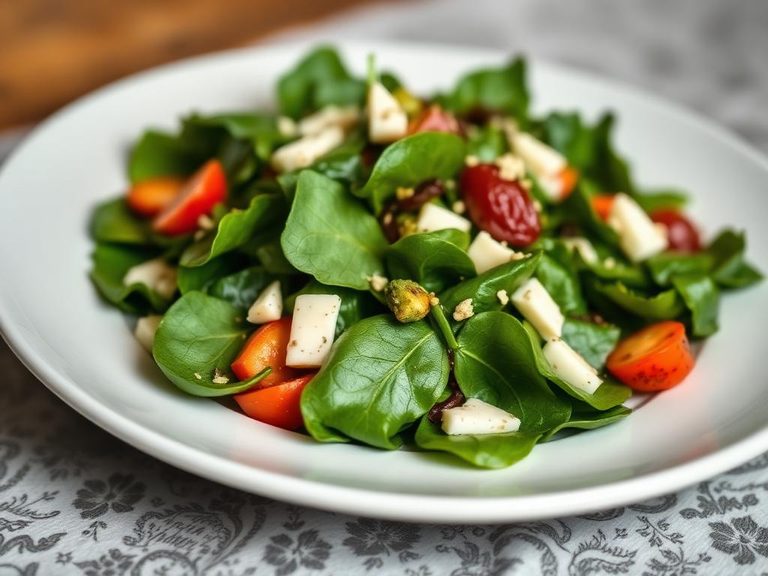
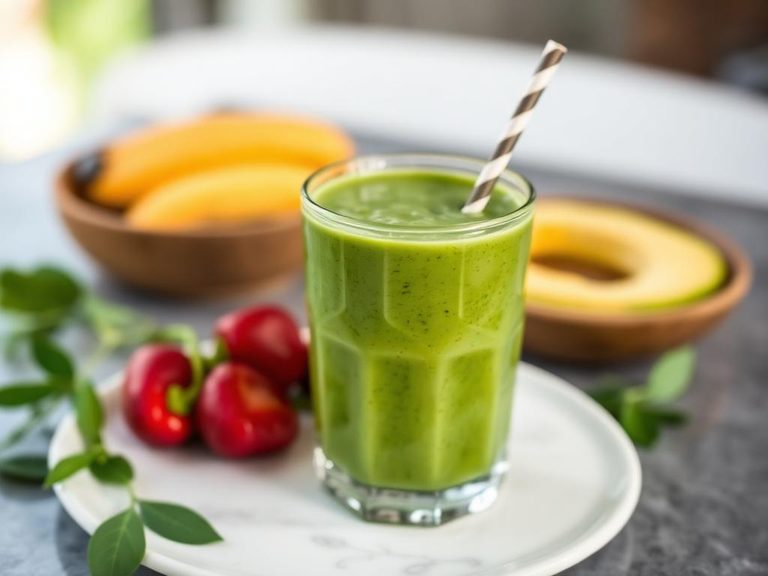
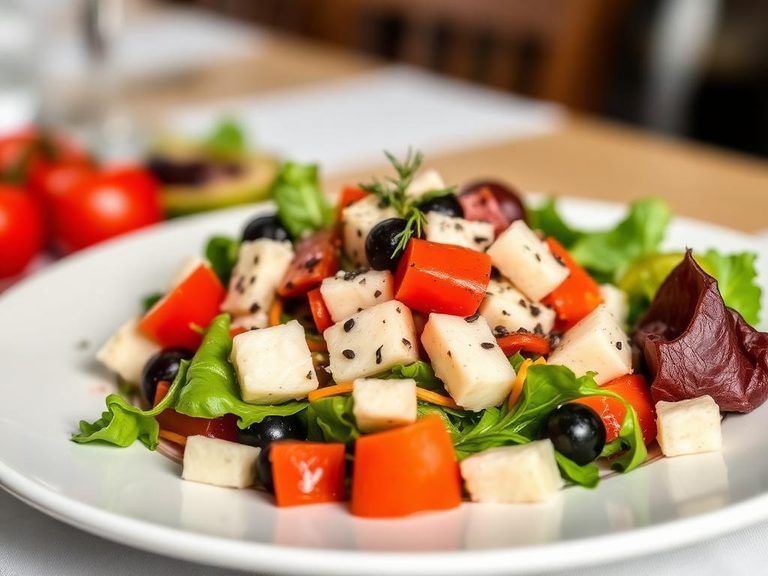
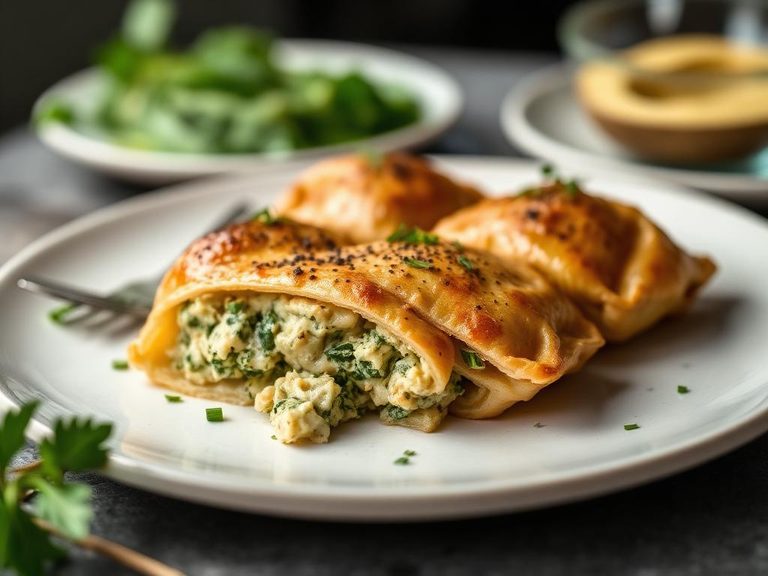
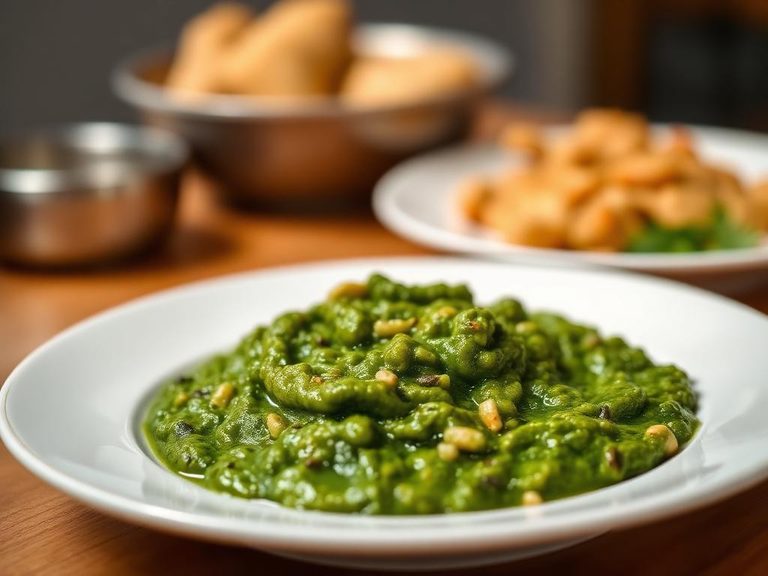
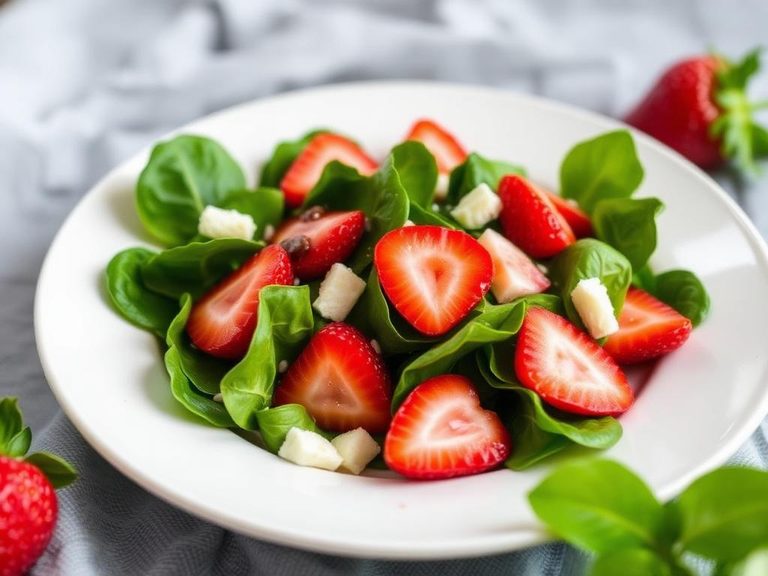
🌍 Where it's eaten
💡 Did you know?
The cartoon character Popeye's love for spinach was based on a 1870 study that claimed a 100-gram serving had 35 milligrams of iron—a decimal point error later corrected to 3.5mg, but the pop-culture legend stuck.
Full nutrition (scales with serving)
| Water | 92.5 g |
| Energy | 27.0 kcal |
| Protein | 2.9 g |
| Total lipid (fat) | 0.62 g |
| Carbohydrate, by difference | 2.4 g |
| Fiber, total dietary | 1.6 g |
| Total Sugars | 0.42 g |
| Calcium, Ca | 68.0 mg |
| Iron, Fe | 1.3 mg |
| Magnesium, Mg | 93.0 mg |
| Phosphorus, P | 39.0 mg |
| Potassium, K | 582 mg |
| Sodium, Na | 111 mg |
| Zinc, Zn | 0.45 mg |
| Copper, Cu | 0.08 mg |
| Selenium, Se | 0.00 ug |
| Vitamin C, total ascorbic acid | 26.5 mg |
| Thiamin | 0.08 mg |
| Riboflavin | 0.19 mg |
| Niacin | 0.55 mg |
| Vitamin B-6 | 0.20 mg |
| Folate, total | 116 ug |
| Folic acid | 0.00 ug |
| Folate, food | 116 ug |
| Folate, DFE | 116 ug |
| Choline, total | 19.3 mg |
| Vitamin B-12 | 0.00 ug |
| Vitamin B-12, added | 0.00 ug |
| Vitamin A, RAE | 283 ug |
| Retinol | 0.00 ug |
| Carotene, beta | 3400 ug |
| Carotene, alpha | 0.00 ug |
| Cryptoxanthin, beta | 0.00 ug |
| Lycopene | 0.00 ug |
| Lutein + zeaxanthin | 6020 ug |
| Vitamin E (alpha-tocopherol) | 2.0 mg |
| Vitamin E, added | 0.00 mg |
| Vitamin D (D2 + D3) | 0.00 ug |
| Vitamin K (phylloquinone) | 483 ug |
| Fatty acids, total saturated | 0.06 g |
| SFA 4:0 | 0.00 g |
| SFA 6:0 | 0.00 g |
| SFA 8:0 | 0.00 g |
| SFA 10:0 | 0.00 g |
| SFA 12:0 | 0.00 g |
| SFA 14:0 | 0.01 g |
| SFA 16:0 | 0.05 g |
| SFA 18:0 | 0.00 g |
| Fatty acids, total monounsaturated | 0.01 g |
| MUFA 16:1 | 0.01 g |
| MUFA 18:1 | 0.01 g |
| MUFA 20:1 | 0.00 g |
| MUFA 22:1 | 0.00 g |
| Fatty acids, total polyunsaturated | 0.17 g |
| PUFA 18:2 | 0.03 g |
| PUFA 18:3 | 0.14 g |
| PUFA 18:4 | 0.00 g |
| PUFA 20:4 | 0.00 g |
| PUFA 20:5 n-3 (EPA) | 0.00 g |
| PUFA 22:5 n-3 (DPA) | 0.00 g |
| PUFA 22:6 n-3 (DHA) | 0.00 g |
| Cholesterol | 0.00 mg |
| Alcohol, ethyl | 0.00 g |
| Caffeine | 0.00 mg |
| Theobromine | 0.00 mg |
FAQ
Is raw spinach healthier than cooked?
It depends on the goal. Raw spinach retains more heat-sensitive vitamin C and certain B vitamins. Cooking increases the bioavailability of beta-carotene (vitamin A) and reduces oxalates, which can improve mineral absorption and reduce kidney stone risk.
Why does raw spinach sometimes taste bitter?
The mild bitterness comes from naturally occurring compounds called oxalates and nitrates. Younger, smaller leaves are typically milder. Pairing it with a fat (like olive oil) and an acid (like vinegar or lemon) balances the flavor beautifully.
How should I store raw spinach to keep it fresh?
Keep it unwashed in a container or bag lined with a dry paper towel to absorb excess moisture, which causes sliminess. Store in the crisper drawer of your refrigerator. If pre-washed, ensure it's completely dry before storing.