

Spices, pepper, white
Whole food · Spices and Herbs

Photo: Wikipedia
White pepper is the inner seed of the black peppercorn, stripped of its dark outer layer. It delivers a sharp, earthy heat with a distinct fermented, musty aroma that's less complex but more pungent than black pepper. Nutritionally, it's an exceptional source of dietary fiber, providing over 26 grams per 100 grams.
Calorie split: 12% protein · 82% carbs · 6% fat
↓ Full nutrition💚 Why it's loved
People love it for its clean, sharp heat that doesn't visually speckle light-colored sauces, soups, or mashed potatoes. Its unique, slightly musty flavor is considered essential for authentic depth in many Asian and French cuisines.
⚠️ Watch-outs & how to enjoy it better
Its strong, pungent flavor can be overwhelming if used excessively, and its heat may irritate sensitive digestive tracts. To counteract, start with a small amount and add it late in cooking to preserve its volatile aroma. Pairing it with fats or starches can also mellow its sharp bite.
Key benefits
- Extremely high in dietary fiber
- Good source of plant-based protein
- Very low in fat and contains no sugar
- Contains piperine, a bioactive compound studied for its effects on nutrient absorption
🍽️ Popular dishes
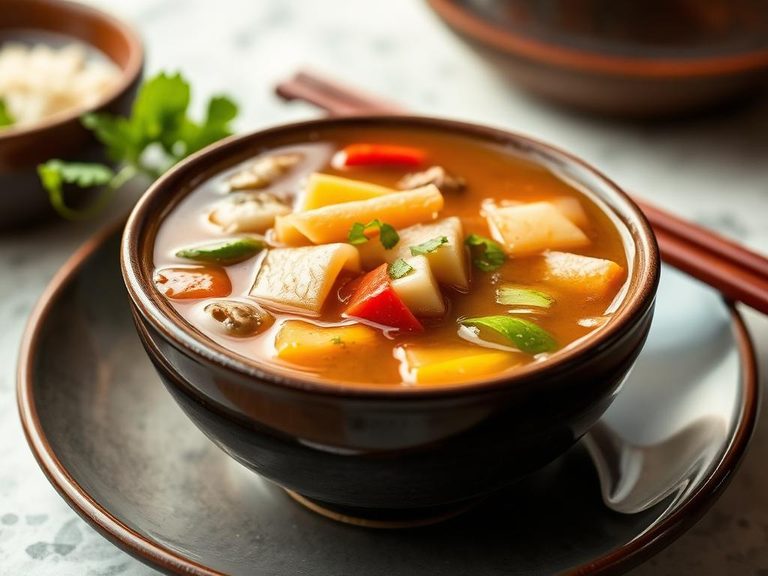
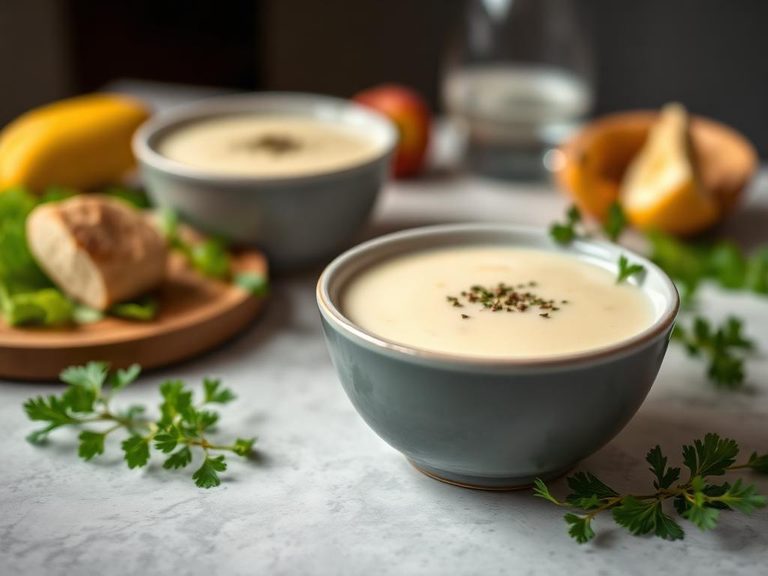
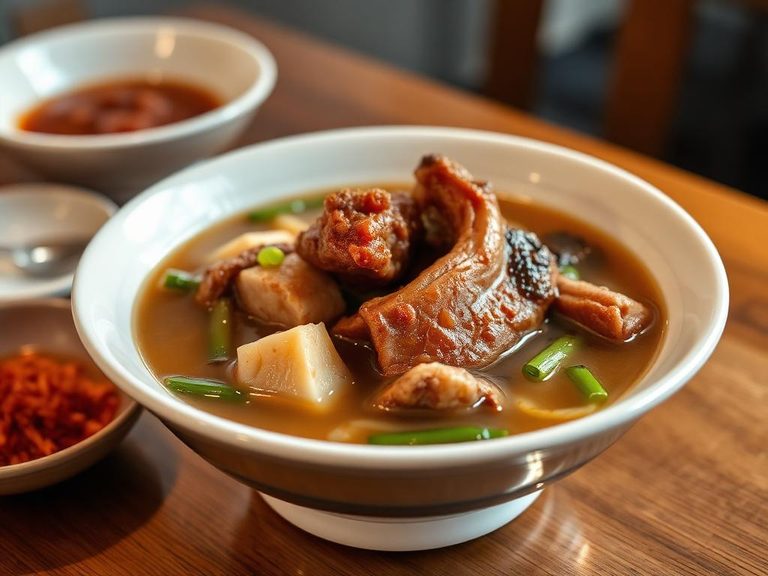
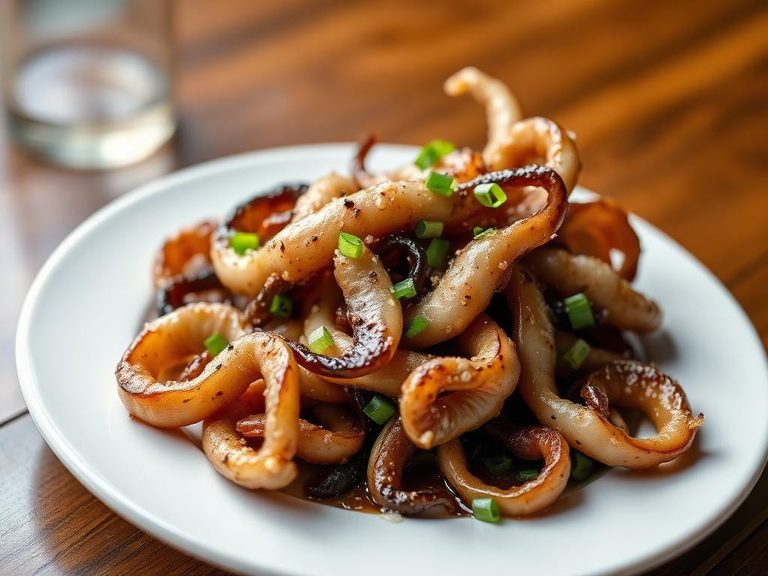
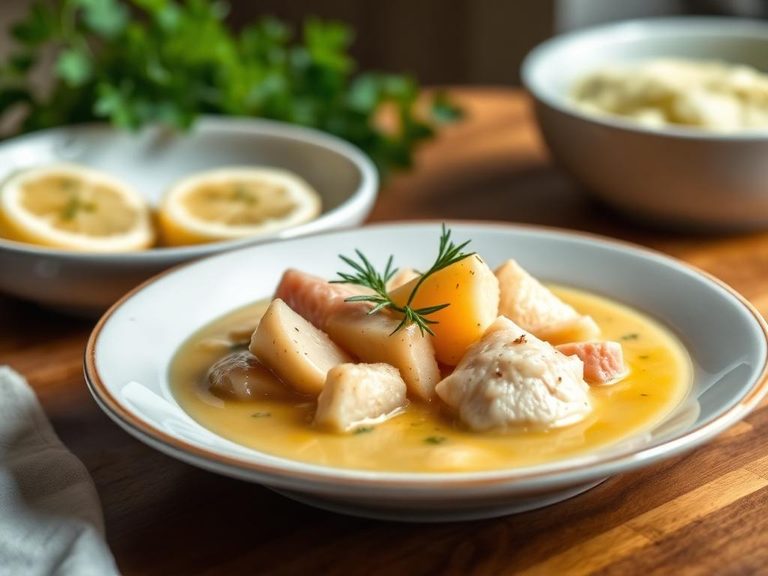
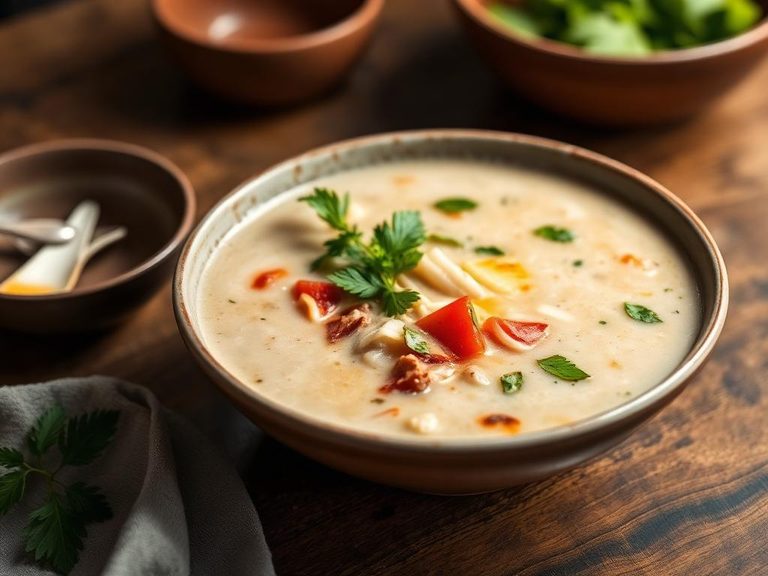
🌍 Where it's eaten
💡 Did you know?
White pepper is actually the same fruit as black pepper; the difference is purely in processing. The berries are picked just before they fully ripen, then soaked in water for about two weeks to ferment and soften the outer skin, which is then rubbed off.
Full nutrition (USDA data · scales with serving)
| Water | 11.4 g |
| Energy | 296 kcal |
| Energy | 1238 kj |
| Protein | 10.4 g |
| Total lipid (fat) | 2.1 g |
| Ash | 1.6 g |
| Carbohydrate, by difference | 68.6 g |
| Fiber, total dietary | 26.2 g |
| Calcium, Ca | 265 mg |
| Iron, Fe | 14.3 mg |
| Magnesium, Mg | 90.0 mg |
| Phosphorus, P | 176 mg |
| Potassium, K | 73.0 mg |
| Sodium, Na | 5.0 mg |
| Zinc, Zn | 1.1 mg |
| Copper, Cu | 0.91 mg |
| Manganese, Mn | 4.3 mg |
| Selenium, Se | 3.1 ug |
| Vitamin C, total ascorbic acid | 21.0 mg |
| Thiamin | 0.02 mg |
| Riboflavin | 0.13 mg |
| Niacin | 0.21 mg |
| Vitamin B-6 | 0.10 mg |
| Folate, total | 10.0 ug |
| Folic acid | 0.00 ug |
| Folate, food | 10.0 ug |
| Folate, DFE | 10.0 ug |
| Vitamin B-12 | 0.00 ug |
| Vitamin A, RAE | 0.00 ug |
| Retinol | 0.00 ug |
| Vitamin A, IU | 0.00 iu |
| Vitamin D (D2 + D3), International Units | 0.00 iu |
| Vitamin D (D2 + D3) | 0.00 ug |
| Alcohol, ethyl | 0.00 g |
Fat & fatty acid profile (per 100g)
| Fatty acids, total saturated | 0.63 g |
| Fatty acids, total monounsaturated | 0.79 g |
| Fatty acids, total polyunsaturated | 0.62 g |
| Fatty acids, total trans | 0.00 g |
| Cholesterol | 0.00 mg |
| Phytosterols | 55.0 mg |
Amino acid profile (per 100g)
Estimated from Spices, garlic powder — USDA does not publish this profile for Spices.
| Tryptophan | 0.12 g |
| Threonine | 0.37 g |
| Isoleucine | 0.41 g |
| Leucine | 0.73 g |
| Lysine | 0.77 g |
| Methionine | 0.11 g |
| Cystine | 0.25 g |
| Phenylalanine | 0.53 g |
| Tyrosine | 0.45 g |
| Valine | 0.67 g |
| Arginine | 3.4 g |
| Histidine | 0.26 g |
| Alanine | 0.48 g |
| Aspartic acid | 1.9 g |
| Glutamic acid | 3.7 g |
| Glycine | 0.53 g |
| Proline | 1.4 g |
| Serine | 0.51 g |
| Hydroxyproline | 0.00 g |
FAQ
What's the main difference between white and black pepper?
It's all about processing. Black pepper is dried with the outer fruit skin intact. White pepper is made by soaking the ripe berries to remove that skin, resulting in a milder, less complex flavor but a more pungent, direct heat.
When should I use white pepper instead of black?
Use white pepper in light-colored dishes like cream sauces, mashed potatoes, or white soups where you want to avoid black specks. It's also preferred in many Chinese and French recipes for its specific, sharp flavor profile.
Is white pepper less nutritious than black pepper?
Not significantly. While the removal of the outer skin may reduce some antioxidant compounds, white pepper remains an excellent source of fiber and retains the key active compound piperine, which is found throughout the peppercorn.
Nutrient density (calculated · NRF9.3)
Nutrient Rich Foods index: beneficial nutrients (protein, fiber, vitamins, minerals) minus saturated fat, added sugar & sodium, per 100 kcal.
NRF9.3 index — Fulgoni, Keast & Drewnowski, 2009. Computed from USDA nutrients.
Weight-loss friendliness (composite index)
Energy density 2.96 kcal/g · 14% calories from protein · 26.2 g fiber · 0.0 g sugar per 100 g.
Composite of energy density (Rolls et al., 1999), protein & fiber satiety, minus sugar. A calculated heuristic — ranks satiety-per-calorie, not a clinical measure.
Dietary load (calculated from USDA values)
Potential renal acid load. Positive = acid-forming, negative = alkaline-forming.
Sodium-to-potassium ratio: 0.07 (lower is better — aim for ≤ 1)
Sodium:potassium per WHO potassium guidance. Computed from USDA nutrients.