

Soft drink, ginger ale
Common food

Photo: Wikipedia
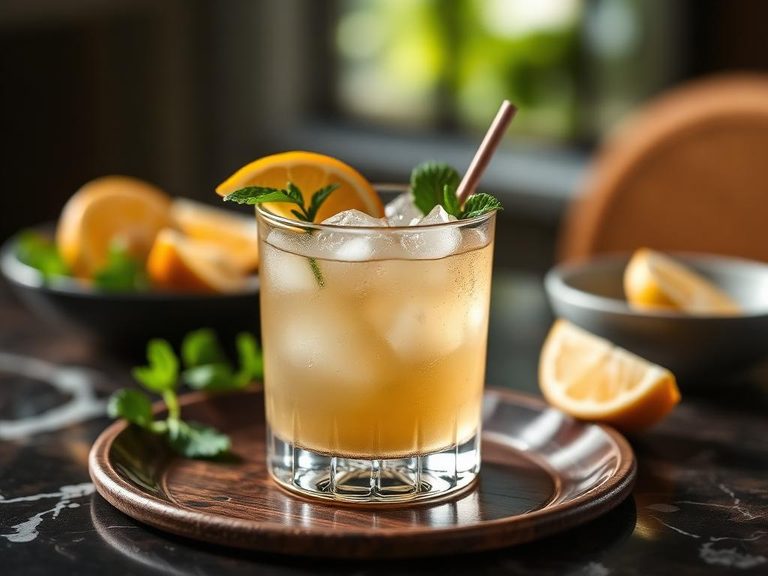
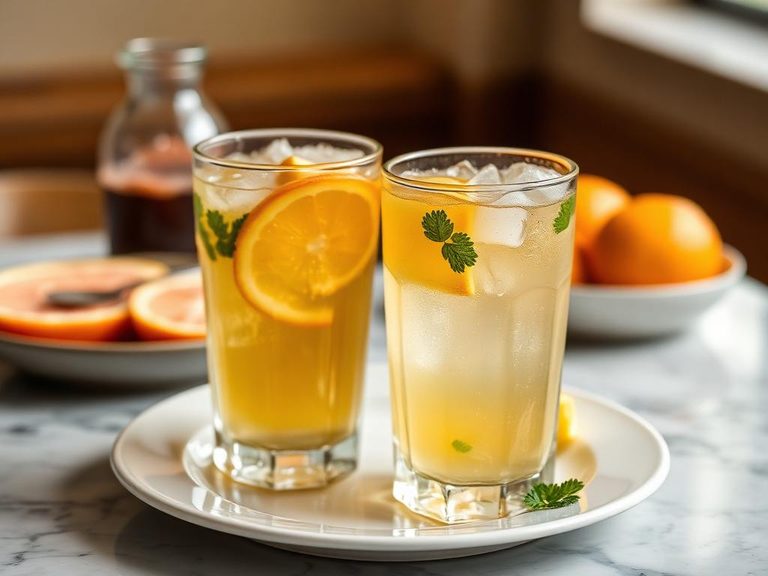
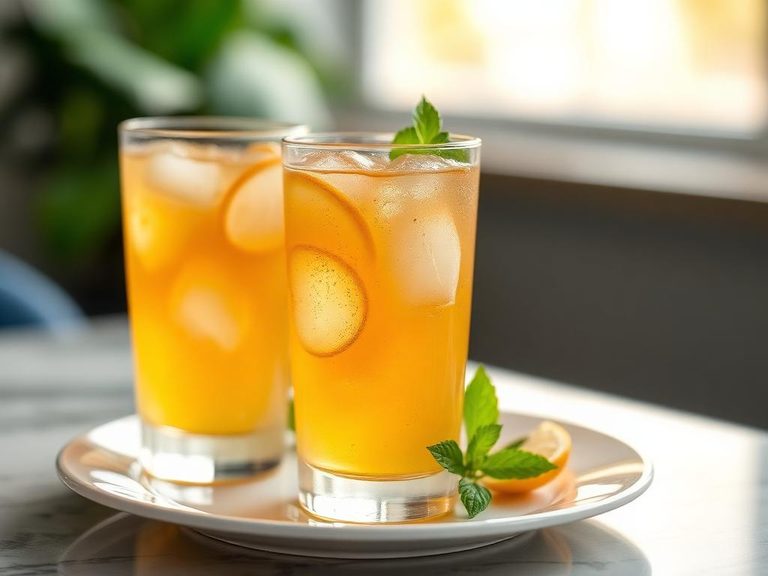
Ginger ale is a carbonated soft drink flavored with ginger, offering a crisp, effervescent texture with a sweet, mildly spicy taste. It typically contains about 34 kcal per 100g, with nearly 9g of sugar and zero protein or fat, making it a light, sweet beverage choice. Its golden hue and bubbly mouthfeel make it a refreshing option, often enjoyed chilled or as a mixer in cocktails.
Calorie split: 0% protein · 100% carbs · 0% fat
↓ Full nutrition💚 Why it's loved
People love ginger ale for its unique balance of sweetness and subtle ginger spice, which makes it a versatile drink for sipping, mixing, or pairing with meals. Its cultural association with comfort and nostalgia, especially in Western countries, adds to its appeal as a go-to beverage for relaxation or social occasions.
⚠️ Watch-outs & how to enjoy it better
Ginger ale is high in sugar (8.9g per 100g), which can contribute to blood-sugar spikes and dental issues if consumed excessively. To counteract this, limit portions to 120–200ml per serving and pair it with a protein or fat source (like nuts or cheese) to slow sugar absorption. Additionally, some brands may contain artificial additives or high sodium, so opt for natural or low-sugar varieties when possible.
Key benefits
- May help soothe nausea or motion sickness due to ginger content.
- Provides quick energy from carbohydrates (sugar).
- Can be used as a mixer in cocktails or mocktails for flavor.
- Low in calories compared to many other sugary sodas.
- Offers a refreshing, fizzy alternative to plain water.
🍽️ Popular dishes
🌍 Where it's eaten
💡 Did you know?
Ginger ale was originally developed in the mid-19th century as a medicinal drink, with early versions containing real ginger extract and were marketed as a digestive aid.
Full nutrition (USDA data · scales with serving)
| Water | 91.2 g |
| Energy | 34.0 kcal |
| Protein | 0.00 g |
| Total lipid (fat) | 0.00 g |
| Carbohydrate, by difference | 8.8 g |
| Fiber, total dietary | 0.00 g |
| Total Sugars | 8.9 g |
| Calcium, Ca | 3.0 mg |
| Iron, Fe | 0.18 mg |
| Magnesium, Mg | 1.0 mg |
| Phosphorus, P | 0.00 mg |
| Potassium, K | 1.0 mg |
| Sodium, Na | 7.0 mg |
| Zinc, Zn | 0.05 mg |
| Copper, Cu | 0.02 mg |
| Selenium, Se | 0.10 ug |
| Vitamin C, total ascorbic acid | 0.00 mg |
| Thiamin | 0.00 mg |
| Riboflavin | 0.00 mg |
| Niacin | 0.00 mg |
| Vitamin B-6 | 0.00 mg |
| Folate, total | 0.00 ug |
| Folic acid | 0.00 ug |
| Folate, food | 0.00 ug |
| Folate, DFE | 0.00 ug |
| Choline, total | 0.00 mg |
| Vitamin B-12 | 0.00 ug |
| Vitamin B-12, added | 0.00 ug |
| Vitamin A, RAE | 0.00 ug |
| Retinol | 0.00 ug |
| Carotene, beta | 0.00 ug |
| Carotene, alpha | 0.00 ug |
| Cryptoxanthin, beta | 0.00 ug |
| Lycopene | 0.00 ug |
| Lutein + zeaxanthin | 0.00 ug |
| Vitamin E (alpha-tocopherol) | 0.00 mg |
| Vitamin E, added | 0.00 mg |
| Vitamin D (D2 + D3) | 0.00 ug |
| Vitamin K (phylloquinone) | 0.00 ug |
| Alcohol, ethyl | 0.00 g |
| Caffeine | 0.00 mg |
| Theobromine | 0.00 mg |
Fat & fatty acid profile (per 100g)
| Fatty acids, total saturated | 0.00 g |
| SFA 4:0 | 0.00 g |
| SFA 6:0 | 0.00 g |
| SFA 8:0 | 0.00 g |
| SFA 10:0 | 0.00 g |
| SFA 12:0 | 0.00 g |
| SFA 14:0 | 0.00 g |
| SFA 16:0 | 0.00 g |
| SFA 18:0 | 0.00 g |
| Fatty acids, total monounsaturated | 0.00 g |
| MUFA 16:1 | 0.00 g |
| MUFA 18:1 | 0.00 g |
| MUFA 20:1 | 0.00 g |
| MUFA 22:1 | 0.00 g |
| Fatty acids, total polyunsaturated | 0.00 g |
| PUFA 18:2 | 0.00 g |
| PUFA 18:3 | 0.00 g |
| PUFA 18:4 | 0.00 g |
| PUFA 20:4 | 0.00 g |
| PUFA 20:5 n-3 (EPA) | 0.00 g |
| PUFA 22:5 n-3 (DPA) | 0.00 g |
| PUFA 22:6 n-3 (DHA) | 0.00 g |
| Cholesterol | 0.00 mg |
FAQ
Is ginger ale the same as ginger beer?
No, ginger beer is typically fermented and has a stronger, spicier ginger flavor, while ginger ale is a carbonated soft drink with a milder ginger taste and higher sugar content.
Can ginger ale help with an upset stomach?
Some people find ginger ale soothing for nausea due to its ginger content, but the high sugar and carbonation may worsen symptoms in others. Opt for a low-sugar or natural ginger ale for better results.
How is ginger ale made?
Ginger ale is made by carbonating water and adding ginger flavoring, sugar or sweeteners, and sometimes citric acid. It is typically produced in factories using carbonation machines and flavoring syrups.
Nutrient density (calculated · NRF9.3)
Nutrient Rich Foods index: beneficial nutrients (protein, fiber, vitamins, minerals) minus saturated fat, added sugar & sodium, per 100 kcal.
NRF9.3 index — Fulgoni, Keast & Drewnowski, 2009. Computed from USDA nutrients.
Weight-loss friendliness (composite index)
Energy density 0.34 kcal/g · 0% calories from protein · 0.0 g fiber · 8.9 g sugar per 100 g.
Composite of energy density (Rolls et al., 1999), protein & fiber satiety, minus sugar. A calculated heuristic — ranks satiety-per-calorie, not a clinical measure.
Dietary load (calculated from USDA values)
Potential renal acid load. Positive = acid-forming, negative = alkaline-forming.
Sodium-to-potassium ratio: 7.00 (lower is better — aim for ≤ 1)
Sodium:potassium per WHO potassium guidance. Computed from USDA nutrients.