

Soft drink, cream soda
Common food

Photo: Wikipedia
Cream soda is a sweet, vanilla-forward soft drink with a smooth, almost creamy mouthfeel and a light caramel hue. Its flavor profile is distinctly sweet and aromatic, reminiscent of vanilla ice cream or butterscotch, without any actual dairy content. With 13.3g of sugar per 100g and zero protein or fat, it is a pure carbohydrate indulgence, delivering about 51 kcal per 100ml.
Calorie split: 0% protein · 100% carbs · 0% fat
↓ Full nutrition💚 Why it's loved
People love cream soda for its comforting, dessert-like sweetness and smooth, non-carbonated (or lightly carbonated) texture that feels indulgent without being heavy. Its vanilla and caramel notes make it a nostalgic favorite, often associated with childhood or retro diners, and it pairs surprisingly well with spicy or savory foods.
⚠️ Watch-outs & how to enjoy it better
The high sugar content (13.3g per 100g) can cause rapid blood-sugar spikes, making it a poor choice for those managing diabetes or insulin resistance. To mitigate this, consume it in small portions (e.g., 120ml) and pair with a protein or fat source like nuts or cheese to slow sugar absorption. Additionally, its empty calories offer no nutritional benefit, so it should be treated as an occasional treat rather than a regular beverage.
Key benefits
- Quick source of energy from simple sugars
- Dairy-free vanilla flavor for those with lactose intolerance
- Caffeine-free, suitable for evening consumption
- Versatile mixer for cocktails and mocktails
- Nostalgic comfort beverage in many cultures
🍽️ Popular dishes
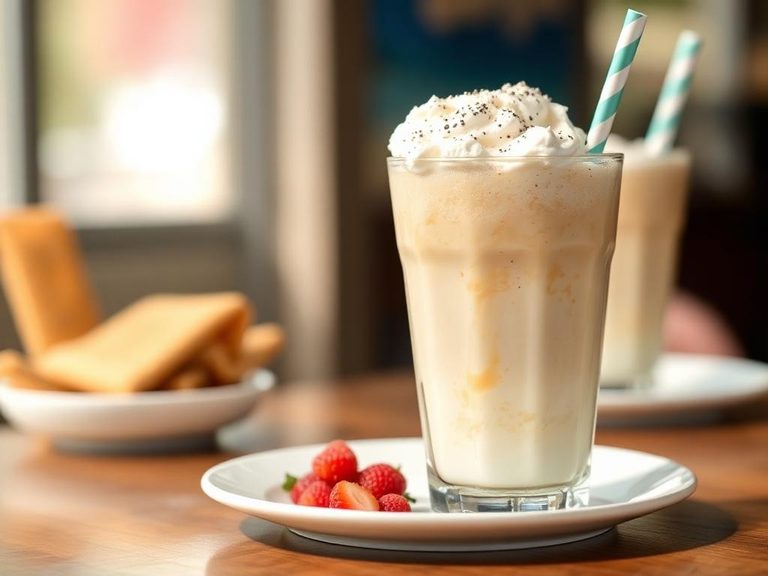

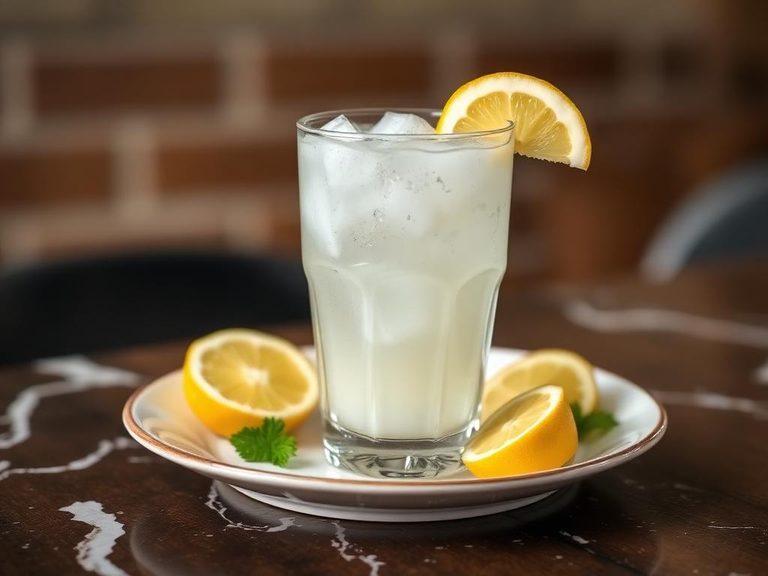
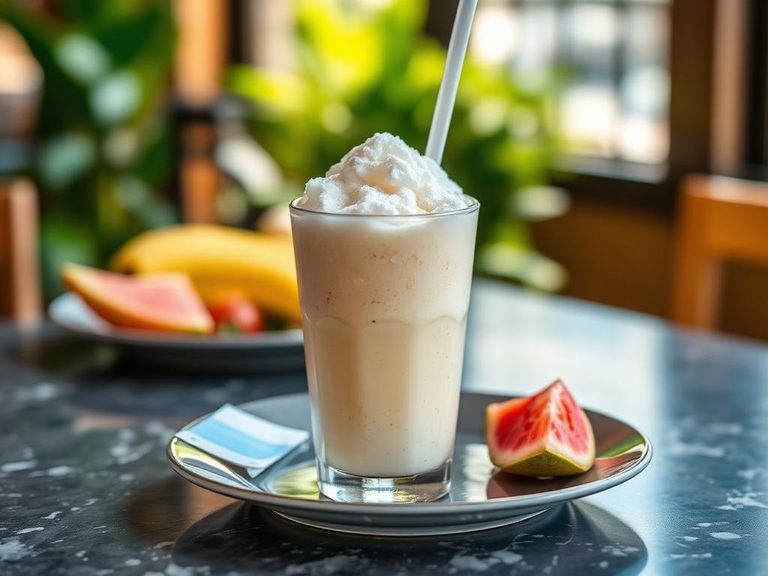
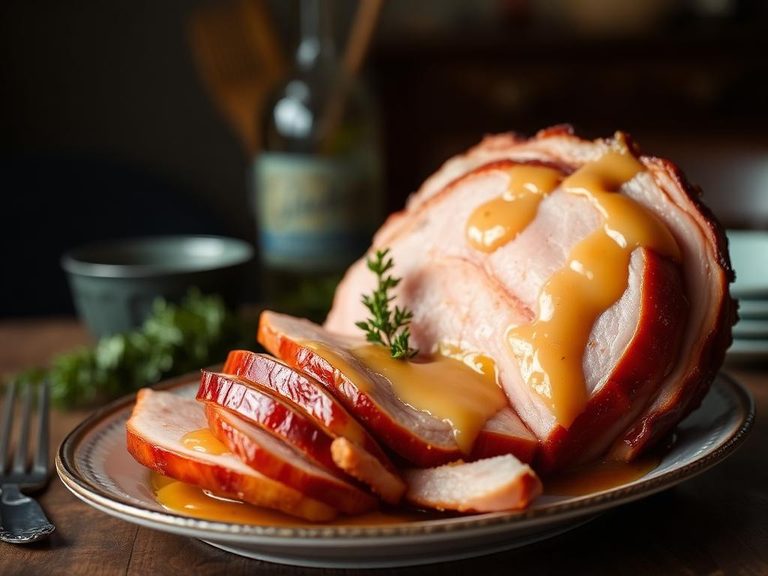
🌍 Where it's eaten
💡 Did you know?
The original cream soda, created in the 1850s in the United States, was actually a non-carbonated, milk-based drink flavored with vanilla and sweetened with sugar—its modern, fizzy, dairy-free version is a later evolution.
Full nutrition (USDA data · scales with serving)
| Water | 86.7 g |
| Energy | 51.0 kcal |
| Protein | 0.00 g |
| Total lipid (fat) | 0.00 g |
| Carbohydrate, by difference | 13.3 g |
| Fiber, total dietary | 0.00 g |
| Total Sugars | 13.3 g |
| Calcium, Ca | 5.0 mg |
| Iron, Fe | 0.05 mg |
| Magnesium, Mg | 1.0 mg |
| Phosphorus, P | 0.00 mg |
| Potassium, K | 1.0 mg |
| Sodium, Na | 12.0 mg |
| Zinc, Zn | 0.07 mg |
| Copper, Cu | 0.01 mg |
| Selenium, Se | 0.00 ug |
| Vitamin C, total ascorbic acid | 0.00 mg |
| Thiamin | 0.00 mg |
| Riboflavin | 0.00 mg |
| Niacin | 0.00 mg |
| Vitamin B-6 | 0.00 mg |
| Folate, total | 0.00 ug |
| Folic acid | 0.00 ug |
| Folate, food | 0.00 ug |
| Folate, DFE | 0.00 ug |
| Choline, total | 0.00 mg |
| Vitamin B-12 | 0.00 ug |
| Vitamin B-12, added | 0.00 ug |
| Vitamin A, RAE | 0.00 ug |
| Retinol | 0.00 ug |
| Carotene, beta | 0.00 ug |
| Carotene, alpha | 0.00 ug |
| Cryptoxanthin, beta | 0.00 ug |
| Lycopene | 0.00 ug |
| Lutein + zeaxanthin | 0.00 ug |
| Vitamin E (alpha-tocopherol) | 0.00 mg |
| Vitamin E, added | 0.00 mg |
| Vitamin D (D2 + D3) | 0.00 ug |
| Vitamin K (phylloquinone) | 0.00 ug |
| Alcohol, ethyl | 0.00 g |
| Caffeine | 0.00 mg |
| Theobromine | 0.00 mg |
Fat & fatty acid profile (per 100g)
| Fatty acids, total saturated | 0.00 g |
| SFA 4:0 | 0.00 g |
| SFA 6:0 | 0.00 g |
| SFA 8:0 | 0.00 g |
| SFA 10:0 | 0.00 g |
| SFA 12:0 | 0.00 g |
| SFA 14:0 | 0.00 g |
| SFA 16:0 | 0.00 g |
| SFA 18:0 | 0.00 g |
| Fatty acids, total monounsaturated | 0.00 g |
| MUFA 16:1 | 0.00 g |
| MUFA 18:1 | 0.00 g |
| MUFA 20:1 | 0.00 g |
| MUFA 22:1 | 0.00 g |
| Fatty acids, total polyunsaturated | 0.00 g |
| PUFA 18:2 | 0.00 g |
| PUFA 18:3 | 0.00 g |
| PUFA 18:4 | 0.00 g |
| PUFA 20:4 | 0.00 g |
| PUFA 20:5 n-3 (EPA) | 0.00 g |
| PUFA 22:5 n-3 (DPA) | 0.00 g |
| PUFA 22:6 n-3 (DHA) | 0.00 g |
| Cholesterol | 0.00 mg |
FAQ
Is cream soda dairy-free?
Yes, modern cream soda is typically dairy-free, despite its name. It gets its 'cream' flavor from vanilla and other flavorings, not actual cream or milk.
Does cream soda contain caffeine?
No, cream soda is caffeine-free, making it a suitable option for those avoiding caffeine, including children and pregnant individuals.
How does cream soda differ from vanilla soda?
Cream soda often has a richer, more caramelized vanilla flavor and may include additional notes like butter or butterscotch, whereas vanilla soda is typically a simpler, more straightforward vanilla flavor.
Nutrient density (calculated · NRF9.3)
Nutrient Rich Foods index: beneficial nutrients (protein, fiber, vitamins, minerals) minus saturated fat, added sugar & sodium, per 100 kcal.
NRF9.3 index — Fulgoni, Keast & Drewnowski, 2009. Computed from USDA nutrients.
Weight-loss friendliness (composite index)
Energy density 0.51 kcal/g · 0% calories from protein · 0.0 g fiber · 13.3 g sugar per 100 g.
Composite of energy density (Rolls et al., 1999), protein & fiber satiety, minus sugar. A calculated heuristic — ranks satiety-per-calorie, not a clinical measure.
Dietary load (calculated from USDA values)
Potential renal acid load. Positive = acid-forming, negative = alkaline-forming.
Sodium-to-potassium ratio: 12.00 (lower is better — aim for ≤ 1)
Sodium:potassium per WHO potassium guidance. Computed from USDA nutrients.