

Sesame butter, creamy
Whole food · Nut and Seed Products

Photo: Wikipedia
Sesame butter, often called tahini in its paste form, is a rich, velvety spread made from ground sesame seeds with a deeply nutty, slightly bitter, and savory flavor. Its texture is thick and creamy, with a luxurious mouthfeel that coats the palate. Nutritionally, it is a powerhouse of healthy fats and protein, delivering over 60g of fat and nearly 20g of protein per 100g.
Calorie split: 11% protein · 8% carbs · 81% fat
↓ Full nutrition💚 Why it's loved
People love it for its complex, earthy flavor that adds depth to both sweet and savory dishes, and its incredible versatility as a base for sauces, dressings, and spreads. It is a cornerstone ingredient in Middle Eastern, Mediterranean, and Asian cuisines, valued for its ability to create creamy textures without dairy.
⚠️ Watch-outs & how to enjoy it better
Due to its high calorie and fat density, overconsumption can lead to weight gain if not portion-controlled. It is also a common allergen, and its high oxalate content may be a concern for individuals prone to kidney stones. To counteract this, pair small portions with fiber-rich foods like vegetables or whole grains, and always check for sesame allergies before serving.
Key benefits
- Excellent source of plant-based protein and healthy monounsaturated fats
- Rich in minerals like calcium, magnesium, and iron
- High in dietary fiber, supporting digestive health
- Contains antioxidants like lignans and vitamin E
🍽️ Popular dishes
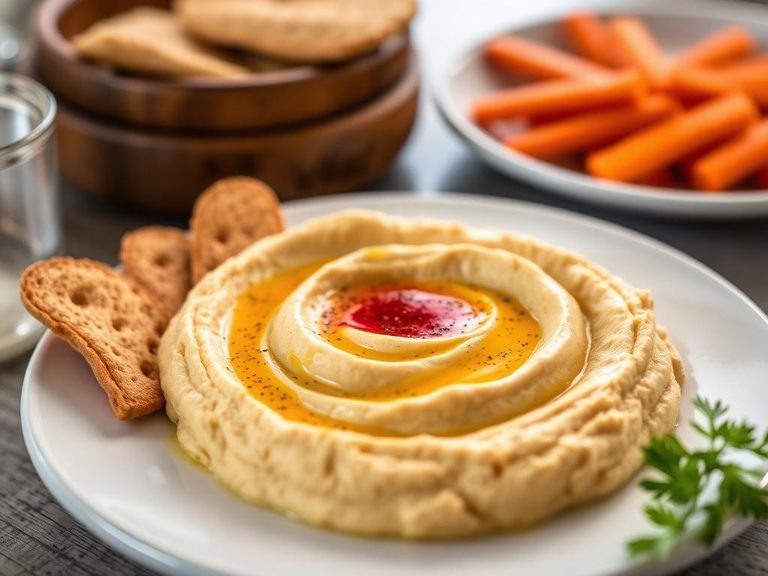
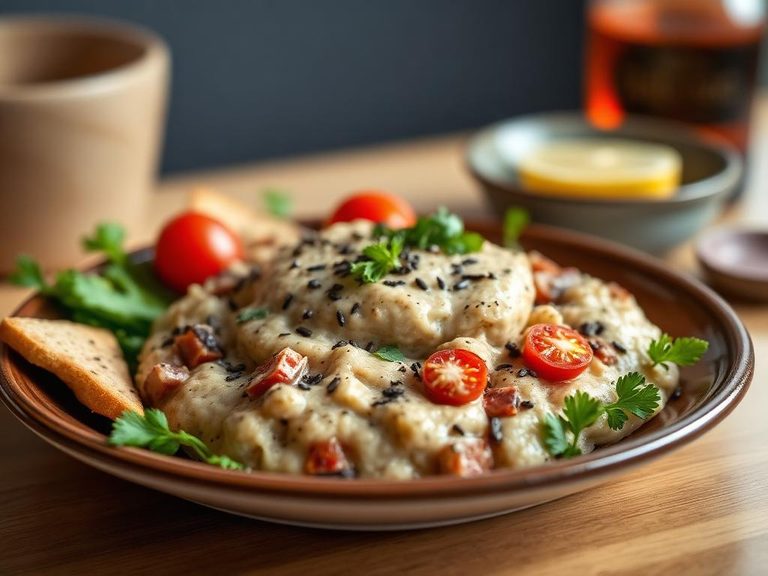
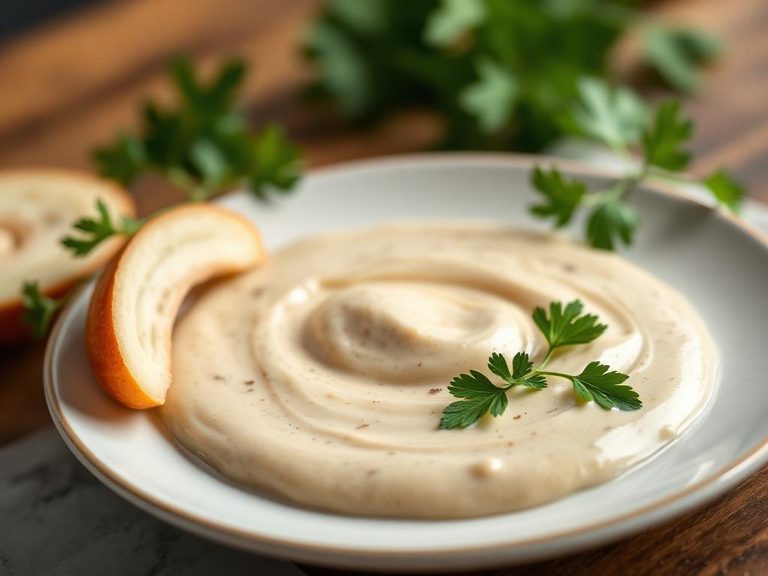
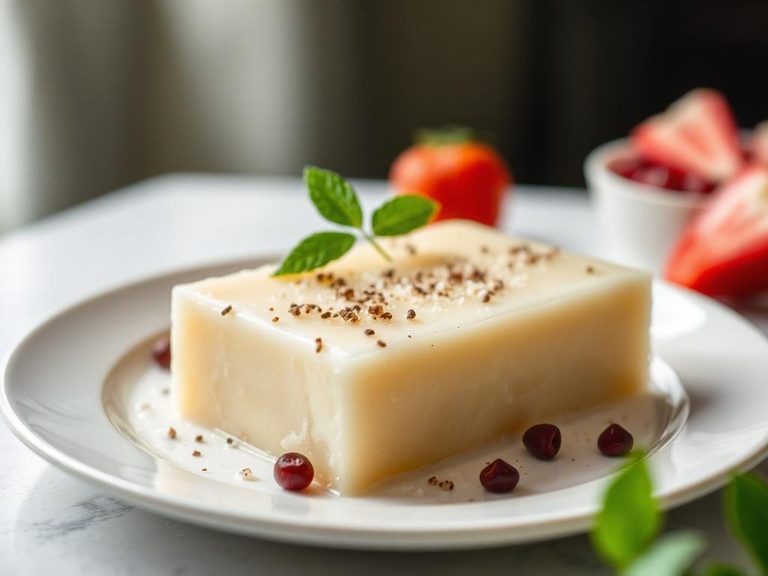
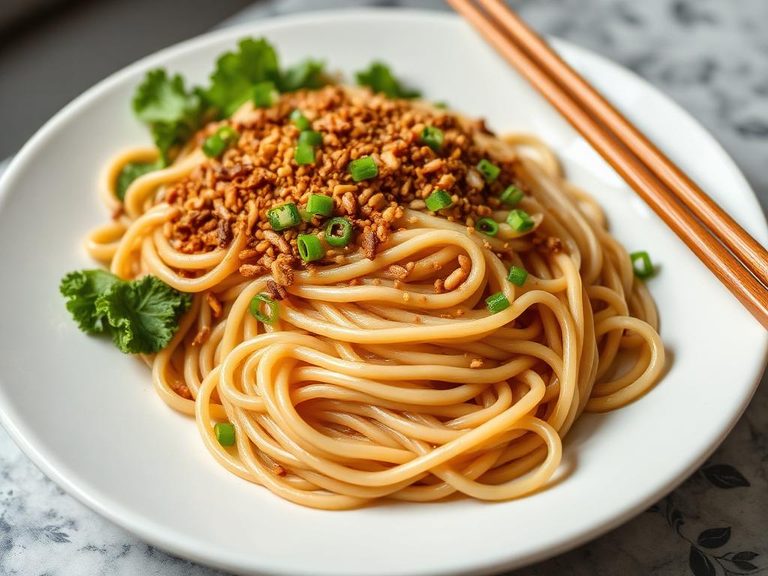

🌍 Where it's eaten
💡 Did you know?
Sesame seeds are one of the oldest oilseed crops known to humanity, with evidence of cultivation dating back over 4,000 years to the Indus Valley.
Full nutrition (USDA data · scales with serving)
| Water | 0.61 g |
| Energy (Atwater General Factors) | 697 kcal |
| Energy (Atwater Specific Factors) | 648 kcal |
| Nitrogen | 3.7 g |
| Protein | 19.7 g |
| Total lipid (fat) | 62.4 g |
| Ash | 3.1 g |
| Carbohydrate, by difference | 14.2 g |
| Fiber, total dietary | 8.4 g |
| Calcium, Ca | 116 mg |
| Iron, Fe | 7.0 mg |
| Magnesium, Mg | 357 mg |
| Phosphorus, P | 719 mg |
| Potassium, K | 408 mg |
| Sodium, Na | 63.6 mg |
| Zinc, Zn | 6.0 mg |
| Copper, Cu | 1.6 mg |
| Manganese, Mn | 1.6 mg |
| Selenium, Se | 46.5 ug |
| Thiamin | 0.99 mg |
| Niacin | 5.8 mg |
| Vitamin B-6 | 0.60 mg |
| Biotin | 13.3 ug |
| Folate, total | 108 ug |
| Vitamin E (alpha-tocopherol) | 0.00 mg |
| Vitamin K (phylloquinone) | 1.7 ug |
| Daidzein | 1.5 mg |
| Genistein | 0.00 mg |
| Daidzin | 0.41 mg |
| Genistin | 0.00 mg |
| Glycitin | 0.17 mg |
Fat & fatty acid profile (per 100g)
| Fatty acids, total saturated | 9.0 g |
| SFA 16:0 | 5.3 g |
| SFA 18:0 | 3.1 g |
| SFA 20:0 | 0.36 g |
| Fatty acids, total monounsaturated | 22.6 g |
| MUFA 18:1 c | 22.4 g |
| MUFA 20:1 c | 0.12 g |
| Fatty acids, total polyunsaturated | 26.4 g |
| PUFA 18:2 n-6 c,c | 26.1 g |
| PUFA 18:3 n-3 c,c,c (ALA) | 0.25 g |
Amino acid profile (per 100g)
| Tryptophan | 0.31 g |
| Threonine | 0.92 g |
| Isoleucine | 0.86 g |
| Leucine | 1.6 g |
| Lysine | 0.67 g |
| Methionine | 0.74 g |
| Phenylalanine | 1.1 g |
| Tyrosine | 0.84 g |
| Valine | 1.1 g |
| Arginine | 3.1 g |
| Histidine | 0.62 g |
| Alanine | 1.2 g |
| Aspartic acid | 2.1 g |
| Glutamic acid | 5.0 g |
| Glycine | 1.2 g |
| Proline | 0.93 g |
| Serine | 1.2 g |
| Hydroxyproline | 0.04 g |
| Cysteine | 0.75 g |
FAQ
What is the difference between tahini and sesame butter?
Tahini is typically made from hulled sesame seeds and has a milder, smoother flavor, while sesame butter is often made from unhulled seeds, giving it a darker color, stronger flavor, and higher fiber content.
Is sesame butter good for you?
Yes, it is nutrient-dense, providing healthy fats, protein, and minerals like calcium and magnesium. However, it is calorie-dense, so portion control is key.
How should I store sesame butter?
Store it in an airtight container in a cool, dark place. It can separate over time, so stir it before use. Refrigeration can extend its shelf life but may thicken the texture.
Nutrient density (calculated · NRF9.3)
Nutrient Rich Foods index: beneficial nutrients (protein, fiber, vitamins, minerals) minus saturated fat, added sugar & sodium, per 100 kcal.
NRF9.3 index — Fulgoni, Keast & Drewnowski, 2009. Computed from USDA nutrients.
Weight-loss friendliness (composite index)
Energy density 6.97 kcal/g · 11% calories from protein · 8.4 g fiber · 0.0 g sugar per 100 g.
Composite of energy density (Rolls et al., 1999), protein & fiber satiety, minus sugar. A calculated heuristic — ranks satiety-per-calorie, not a clinical measure.
Dietary load (calculated from USDA values)
Potential renal acid load. Positive = acid-forming, negative = alkaline-forming.
Sodium-to-potassium ratio: 0.16 (lower is better — aim for ≤ 1)
Sodium:potassium per WHO potassium guidance. Computed from USDA nutrients.