

Oil, avocado
Whole food · Fats and Oils

Photo: Wikipedia
Avocado oil is a rich, emerald-green to golden oil pressed from the flesh of the avocado fruit. It has a mild, buttery flavor with a subtle nutty undertone and a smooth, velvety texture. Nutritionally, it is almost pure fat, providing a high concentration of heart-healthy monounsaturated fats, particularly oleic acid.
Calorie split: 0% protein · 0% carbs · 100% fat
↓ Full nutrition💚 Why it's loved
People love avocado oil for its incredibly versatile, mild flavor that doesn't overpower dishes, making it perfect for everything from salad dressings to searing steaks. Its high smoke point and association with healthy fats have made it a staple in modern health-conscious and gourmet kitchens.
⚠️ Watch-outs & how to enjoy it better
As it is 100% fat, it is very calorie-dense (884 kcal per 100g), so overuse can contribute to excessive calorie intake. Those managing strict fat intake for medical reasons should use it sparingly. Tip: Use it as a primary cooking fat in measured amounts (e.g., 1 tablespoon) rather than adding it freely.
Key benefits
- Rich in monounsaturated fats (oleic acid) for heart health.
- High smoke point (around 271°C/520°F for refined), ideal for high-heat cooking.
- Contains lutein, an antioxidant important for eye health.
- Enhances absorption of fat-soluble vitamins (A, D, E, K) from other foods.
- Source of vitamin E, a natural antioxidant.
🍽️ Popular dishes
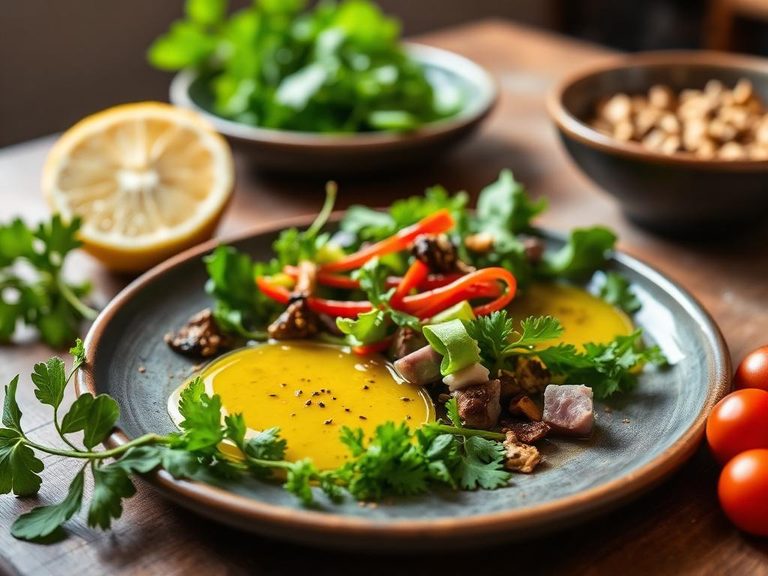
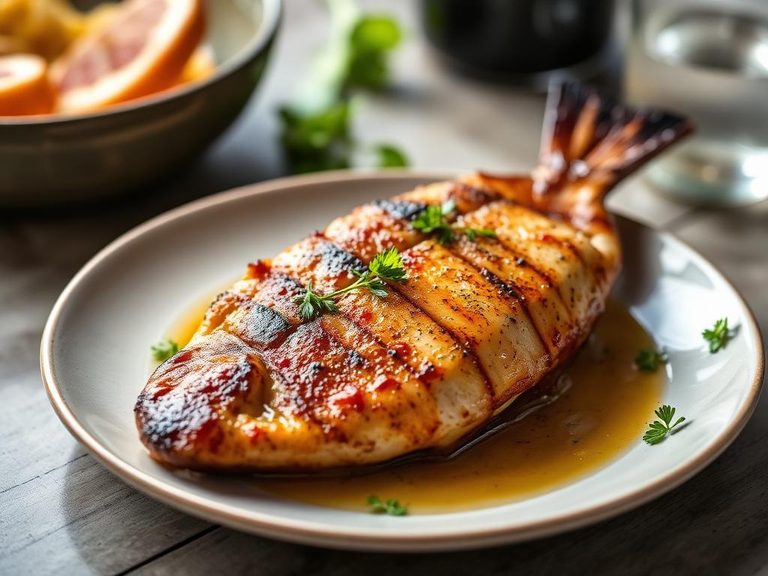
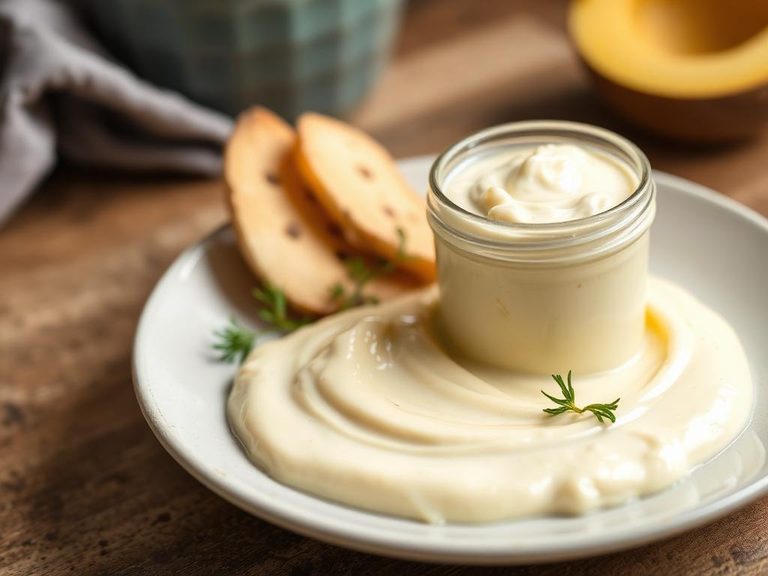
🌍 Where it's eaten
💡 Did you know?
Avocado oil has one of the highest smoke points of any plant-based oil, making it exceptionally stable and resistant to oxidation during high-temperature cooking like frying and grilling.
Full nutrition (USDA data · scales with serving)
| Water | 0.00 g |
| Energy | 884 kcal |
| Energy | 3699 kj |
| Protein | 0.00 g |
| Total lipid (fat) | 100 g |
| Ash | 0.00 g |
| Carbohydrate, by difference | 0.00 g |
| Fiber, total dietary | 0.00 g |
| Calcium, Ca | 0.00 mg |
| Iron, Fe | 0.00 mg |
| Magnesium, Mg | 0.00 mg |
| Phosphorus, P | 0.00 mg |
| Potassium, K | 0.00 mg |
| Sodium, Na | 0.00 mg |
| Zinc, Zn | 0.00 mg |
| Copper, Cu | 0.00 mg |
| Manganese, Mn | 0.00 mg |
| Selenium, Se | 0.00 ug |
| Vitamin C, total ascorbic acid | 0.00 mg |
| Thiamin | 0.00 mg |
| Riboflavin | 0.00 mg |
| Niacin | 0.00 mg |
| Pantothenic acid | 0.00 mg |
| Vitamin B-6 | 0.00 mg |
| Folate, total | 0.00 ug |
| Folic acid | 0.00 ug |
| Folate, food | 0.00 ug |
| Folate, DFE | 0.00 ug |
| Vitamin B-12 | 0.00 ug |
| Vitamin A, RAE | 0.00 ug |
| Retinol | 0.00 ug |
| Vitamin A, IU | 0.00 iu |
Fat & fatty acid profile (per 100g)
| Fatty acids, total saturated | 11.6 g |
| SFA 16:0 | 10.9 g |
| SFA 18:0 | 0.66 g |
| Fatty acids, total monounsaturated | 70.6 g |
| MUFA 16:1 | 2.7 g |
| MUFA 18:1 | 67.9 g |
| Fatty acids, total polyunsaturated | 13.5 g |
| PUFA 18:2 | 12.5 g |
| PUFA 18:3 | 0.96 g |
Amino acid profile (per 100g)
Estimated from Oil, safflower, salad or cooking, high oleic (primary safflower oil of commerce) — USDA does not publish this profile for Oil.
| Tryptophan | 0.00 g |
| Threonine | 0.00 g |
| Isoleucine | 0.00 g |
| Leucine | 0.00 g |
| Lysine | 0.00 g |
| Methionine | 0.00 g |
| Cystine | 0.00 g |
| Phenylalanine | 0.00 g |
| Tyrosine | 0.00 g |
| Valine | 0.00 g |
| Arginine | 0.00 g |
| Histidine | 0.00 g |
| Alanine | 0.00 g |
| Aspartic acid | 0.00 g |
| Glutamic acid | 0.00 g |
| Glycine | 0.00 g |
| Proline | 0.00 g |
| Serine | 0.00 g |
FAQ
What's the difference between refined and unrefined avocado oil?
Unrefined (or virgin) avocado oil is cold-pressed, retains a green color, and has a distinct avocado flavor. Refined avocado oil is processed, resulting in a lighter color, neutral taste, and a higher smoke point, making it more versatile for high-heat cooking.
Is avocado oil good for frying?
Yes, especially refined avocado oil. Its high smoke point (over 500°F/260°C) means it can withstand high temperatures without breaking down and producing harmful compounds, making it excellent for deep-frying, pan-frying, and searing.
How should I store avocado oil?
Store it in a cool, dark place like a pantry. Unrefined oil may benefit from refrigeration to preserve its flavor and nutrients. Always keep the bottle sealed tightly to prevent oxidation.
Nutrient density (calculated · NRF9.3)
Nutrient Rich Foods index: beneficial nutrients (protein, fiber, vitamins, minerals) minus saturated fat, added sugar & sodium, per 100 kcal.
NRF9.3 index — Fulgoni, Keast & Drewnowski, 2009. Computed from USDA nutrients.
Weight-loss friendliness (composite index)
Energy density 8.84 kcal/g · 0% calories from protein · 0.0 g fiber · 0.0 g sugar per 100 g.
Composite of energy density (Rolls et al., 1999), protein & fiber satiety, minus sugar. A calculated heuristic — ranks satiety-per-calorie, not a clinical measure.
Dietary load (calculated from USDA values)
Potential renal acid load. Positive = acid-forming, negative = alkaline-forming.
Sodium:potassium per WHO potassium guidance. Computed from USDA nutrients.