

Nuts, acorn flour, full fat
Whole food · Nut and Seed Products

Photo: Wikipedia
Acorn flour is a finely milled, earthy powder made from dried and processed acorns, yielding a rich, nutty flavor with a subtle, slightly sweet undertone. Its texture is dense and slightly coarse, reminiscent of whole wheat flour but with a more robust, woodland character. Nutritionally, it's a calorie-dense, high-fat flour that provides a substantial energy source.
Calorie split: 6% protein · 42% carbs · 52% fat
↓ Full nutrition💚 Why it's loved
People cherish acorn flour for its deep, complex flavor that adds a rustic, gourmet touch to baked goods and savory dishes. It's also celebrated for connecting modern cooks to ancient foraging traditions and indigenous foodways.
⚠️ Watch-outs & how to enjoy it better
Acorn flour is high in tannins if not properly leached, which can cause a bitter, astringent taste and may interfere with mineral absorption. To counteract this, always use commercially prepared, leached flour or thoroughly soak and rinse raw acorns multiple times before grinding. Its high fat content also means it can go rancid; store it in the freezer.
Key benefits
- Rich in healthy monounsaturated fats
- Provides a good source of plant-based protein
- Contains minerals like manganese and magnesium
- Offers a unique, foraged alternative to grain flours
- Naturally gluten-free
🍽️ Popular dishes
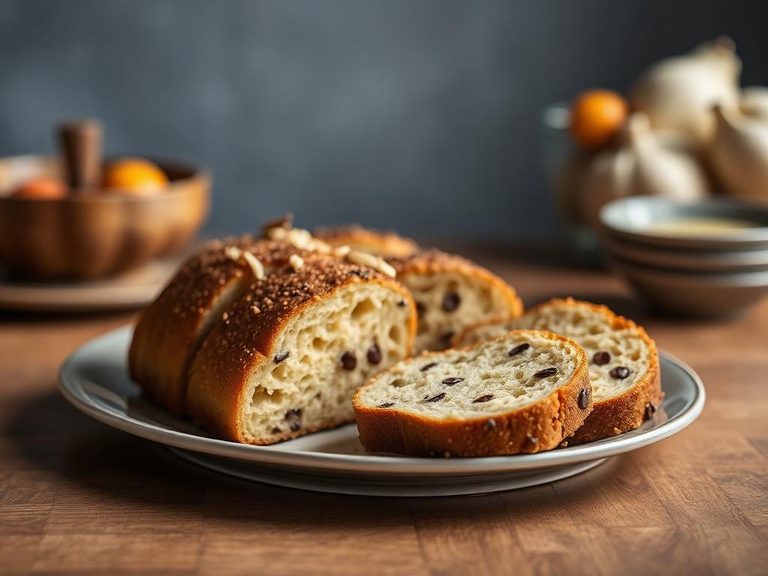
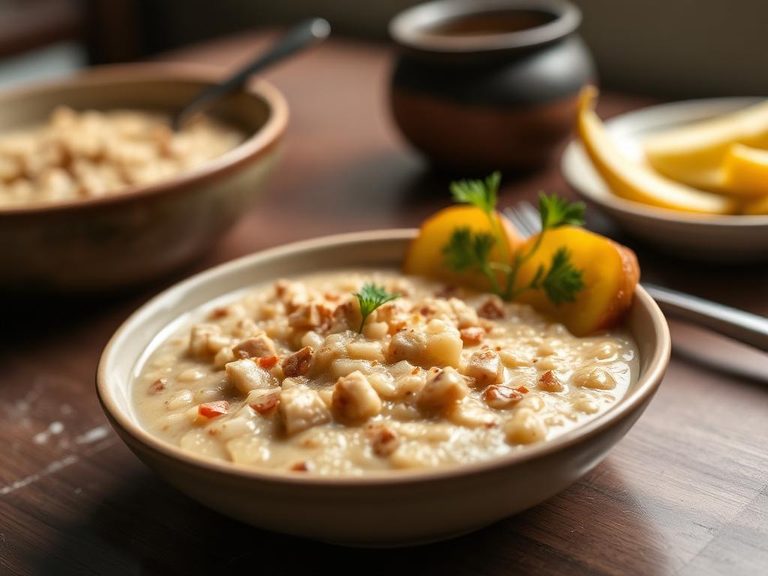
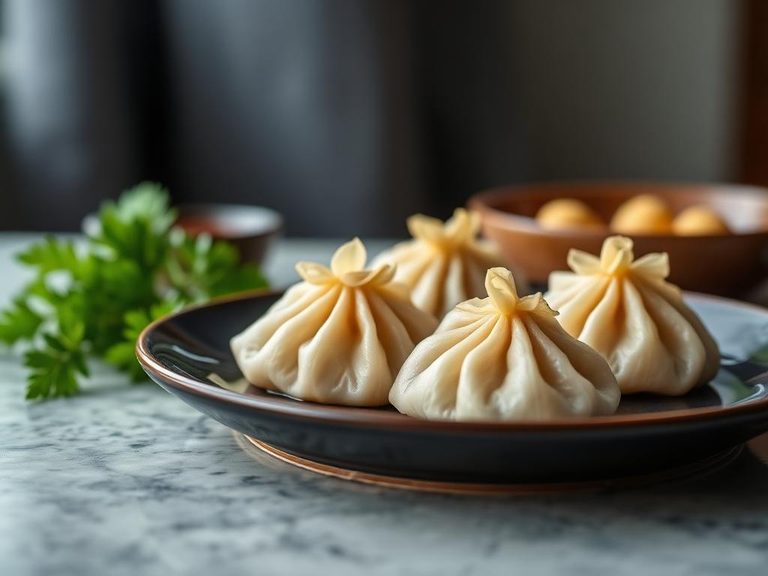
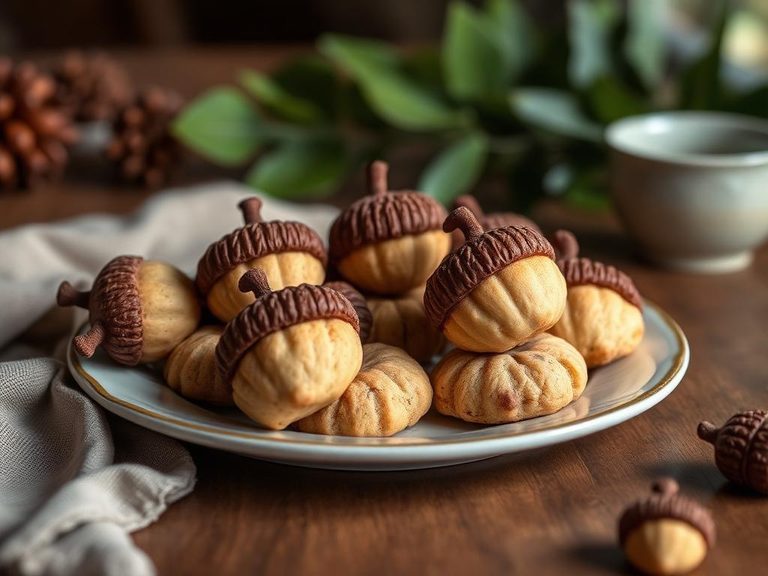

🌍 Where it's eaten
💡 Did you know?
The process of leaching tannins from acorns to make them edible is a labor-intensive tradition that could take days of soaking and rinsing, a vital skill for many indigenous cultures.
Full nutrition (USDA data · scales with serving)
| Water | 6.0 g |
| Energy | 501 kcal |
| Energy | 2096 kj |
| Protein | 7.5 g |
| Total lipid (fat) | 30.2 g |
| Ash | 1.7 g |
| Carbohydrate, by difference | 54.6 g |
| Calcium, Ca | 43.0 mg |
| Iron, Fe | 1.2 mg |
| Magnesium, Mg | 110 mg |
| Phosphorus, P | 103 mg |
| Potassium, K | 712 mg |
| Sodium, Na | 0.00 mg |
| Zinc, Zn | 0.64 mg |
| Copper, Cu | 0.61 mg |
| Manganese, Mn | 1.7 mg |
| Vitamin C, total ascorbic acid | 0.00 mg |
| Thiamin | 0.15 mg |
| Riboflavin | 0.15 mg |
| Niacin | 2.4 mg |
| Pantothenic acid | 0.93 mg |
| Vitamin B-6 | 0.69 mg |
| Folate, total | 114 ug |
| Folic acid | 0.00 ug |
| Folate, food | 114 ug |
| Folate, DFE | 114 ug |
| Vitamin B-12 | 0.00 ug |
| Vitamin A, RAE | 3.0 ug |
| Retinol | 0.00 ug |
| Vitamin A, IU | 51.0 iu |
Fat & fatty acid profile (per 100g)
| Fatty acids, total saturated | 3.9 g |
| SFA 16:0 | 3.6 g |
| SFA 18:0 | 0.32 g |
| Fatty acids, total monounsaturated | 19.1 g |
| MUFA 18:1 | 19.1 g |
| Fatty acids, total polyunsaturated | 5.8 g |
| PUFA 18:2 | 5.8 g |
| Cholesterol | 0.00 mg |
Amino acid profile (per 100g)
| Tryptophan | 0.09 g |
| Threonine | 0.29 g |
| Isoleucine | 0.35 g |
| Leucine | 0.60 g |
| Lysine | 0.47 g |
| Methionine | 0.13 g |
| Cystine | 0.13 g |
| Phenylalanine | 0.33 g |
| Tyrosine | 0.23 g |
| Valine | 0.42 g |
| Arginine | 0.58 g |
| Histidine | 0.21 g |
| Alanine | 0.43 g |
| Aspartic acid | 0.77 g |
| Glutamic acid | 1.2 g |
| Glycine | 0.35 g |
| Proline | 0.30 g |
| Serine | 0.32 g |
FAQ
What does acorn flour taste like?
It has a distinctive, earthy, nutty flavor with a mild sweetness, similar to a cross between whole wheat and hazelnut.
Is acorn flour gluten-free?
Yes, acorn flour is naturally gluten-free, making it a suitable alternative for those with celiac disease or gluten sensitivity.
How do I use it in baking?
Due to its lack of gluten, it's often blended with other flours (like wheat or rice flour) at a ratio of 1:3 or 1:4 for structure, and recipes may need more moisture.
Nutrient density (calculated · NRF9.3)
Nutrient Rich Foods index: beneficial nutrients (protein, fiber, vitamins, minerals) minus saturated fat, added sugar & sodium, per 100 kcal.
NRF9.3 index — Fulgoni, Keast & Drewnowski, 2009. Computed from USDA nutrients.
Weight-loss friendliness (composite index)
Energy density 5.01 kcal/g · 6% calories from protein · 0.0 g fiber · 0.0 g sugar per 100 g.
Composite of energy density (Rolls et al., 1999), protein & fiber satiety, minus sugar. A calculated heuristic — ranks satiety-per-calorie, not a clinical measure.
Dietary load (calculated from USDA values)
Potential renal acid load. Positive = acid-forming, negative = alkaline-forming.
Sodium-to-potassium ratio: 0.00 (lower is better — aim for ≤ 1)
Sodium:potassium per WHO potassium guidance. Computed from USDA nutrients.