Acorn Bread
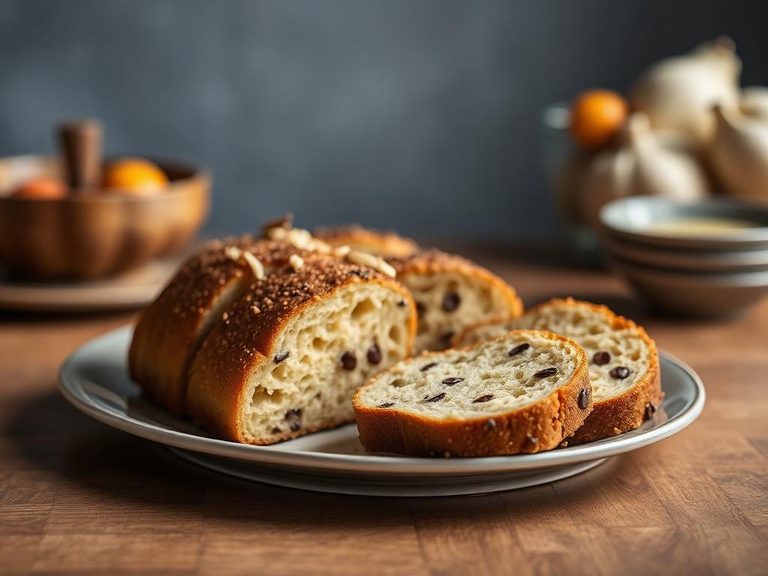
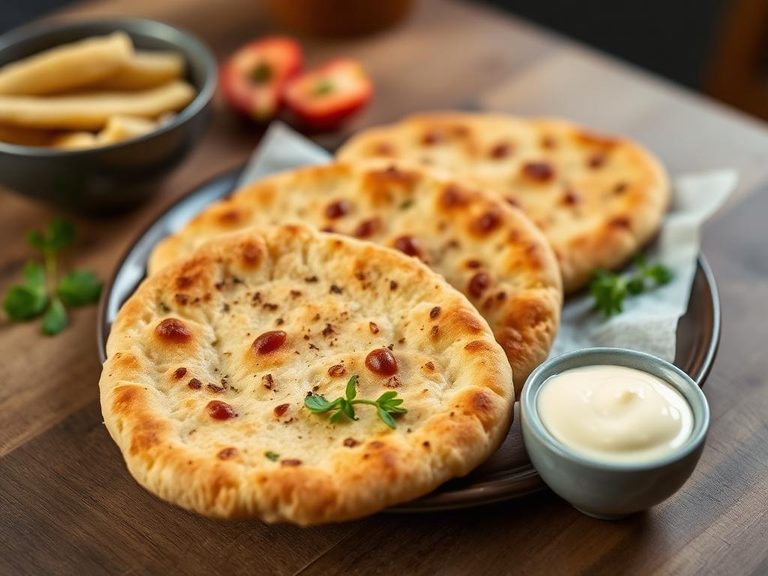
Acorn bread is a traditional, earthy bread made from acorn flour, often mixed with wheat flour, water, and salt. It originates from various cultures with strong foraging traditions, including Korea, Japan, and Indigenous North American communities. The bread has a distinct, nutty flavor and a dense, moist texture.
🍽️ Nutrition at a glance
This bread is a good source of complex carbohydrates and dietary fiber, providing sustained energy. It is relatively low in fat and protein, with a rough calorie estimate of 150-200 kcal per standard slice.
Nutrition breakdown
| Calories | 170 kcal |
| Protein | 3.5 g |
| Carbs | 32 g |
| Fat | 3 g |
| Fiber | 4 g |
| Sugar | 2 g |
| Sodium | 280 mg |
| Manganese | 1.2 mg |
| Potassium | 220 mg |
| Magnesium | 35 mg |
| Iron | 1.5 mg |
| Phosphorus | 80 mg |
| Vitamin B6 | 0.15 mg |
| Copper | 0.2 mg |
| Zinc | 0.8 mg |
Per 1 slice (50 g) · estimated, varies by recipe
💡 What's interesting
The unique ingredient, acorn flour, requires a leaching process to remove bitter tannins before use, showcasing ancient food preservation knowledge. Nutritionally, it is rich in antioxidants and minerals like potassium and manganese, which are less common in standard wheat bread.