

Acorn pancake
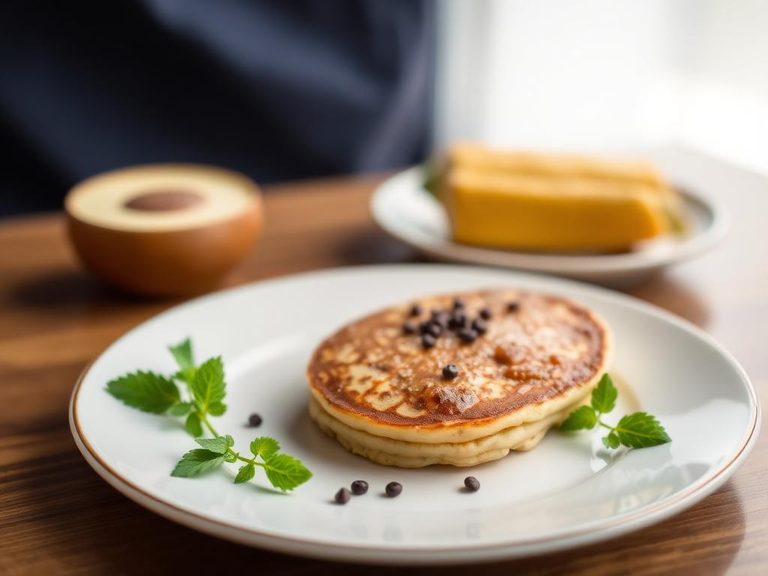
Acorn pancake, known as 'dotori-jeon' in Korean cuisine, is a savory pancake made from acorn flour, often mixed with wheat or rice flour and other ingredients like vegetables or meat. It originates from Korea, where acorns have been a traditional foraged food for centuries, especially in rural areas. The dish is typically pan-fried until crispy on the outside and soft inside, served as a side dish or snack.
🍽️ Nutrition at a glance
Acorn pancake is generally moderate in carbohydrates from the flours, with some protein from the acorn flour and any added ingredients like eggs or meat. It provides key nutrients such as fiber, iron, and antioxidants from the acorns, with a rough calorie ballpark of 150-250 kcal per serving depending on size and preparation.
Nutrition breakdown
| Calories | 180 kcal |
| Protein | 4 g |
| Carbs | 25 g |
| Fat | 7 g |
| Fiber | 3 g |
| Sugar | 2 g |
| Sodium | 300 mg |
| Iron | 1.5 mg |
| Potassium | 200 mg |
| Magnesium | 30 mg |
| Vitamin B6 | 0.1 mg |
| Manganese | 0.5 mg |
| Phosphorus | 80 mg |
| Zinc | 0.8 mg |
| Antioxidants | Varies |
Per 1 pancake (100 g) · estimated, varies by recipe
💡 What's interesting
Culturally, acorn pancakes reflect Korea's historical reliance on foraged foods during times of scarcity, turning wild acorns into a nutritious staple. Nutritionally, acorn flour is unique for being high in tannins and antioxidants, which can offer health benefits but also require processing to reduce bitterness.
🍽️ Related dishes
AI estimate may be inaccurate · Terms