

Mock chicken legs
Common food
Mock chicken legs are a classic vegetarian staple made from a seasoned wheat gluten dough wrapped around a wooden stick, then steamed or simmered. They offer a satisfyingly chewy, meaty texture that readily absorbs savory sauces and spices. With a strong protein profile for a plant-based food, they are a popular meat substitute in many cuisines.
Calorie split: 36% protein · 13% carbs · 51% fat
↓ Full nutrition💚 Why it's loved
People love mock chicken legs for their ability to mimic the hearty, fibrous texture of meat while being fully vegetarian. Their neutral base flavor makes them a versatile canvas for bold marinades, stir-fries, and braises.
⚠️ Watch-outs & how to enjoy it better
The primary ingredient is wheat gluten, making it unsuitable for anyone with celiac disease or gluten sensitivity. As a processed food, it can be high in sodium, so those monitoring blood pressure should check labels and rinse before cooking. Pairing with low-sodium sauces and fresh vegetables helps balance a meal.
Key benefits
- High in plant-based protein per serving
- Low in sugar and dietary fiber
- Versatile meat substitute for various dishes
- Provides a chewy, satisfying texture
🍽️ Popular dishes
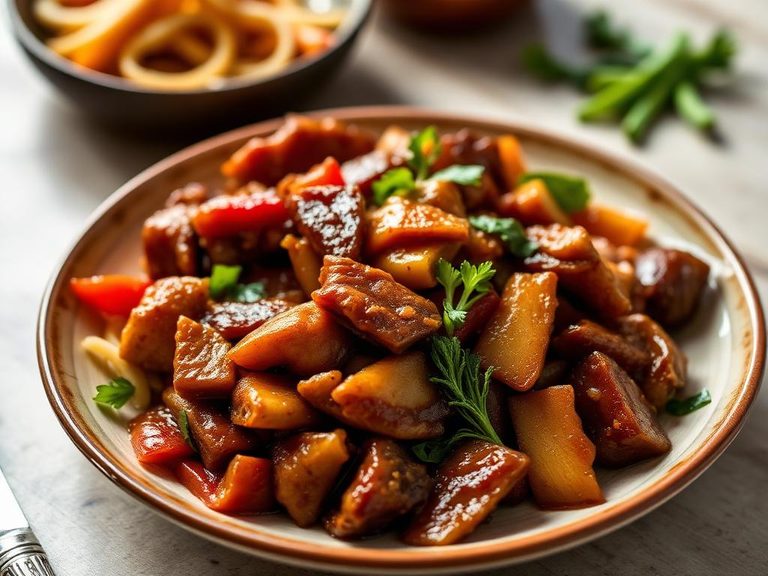
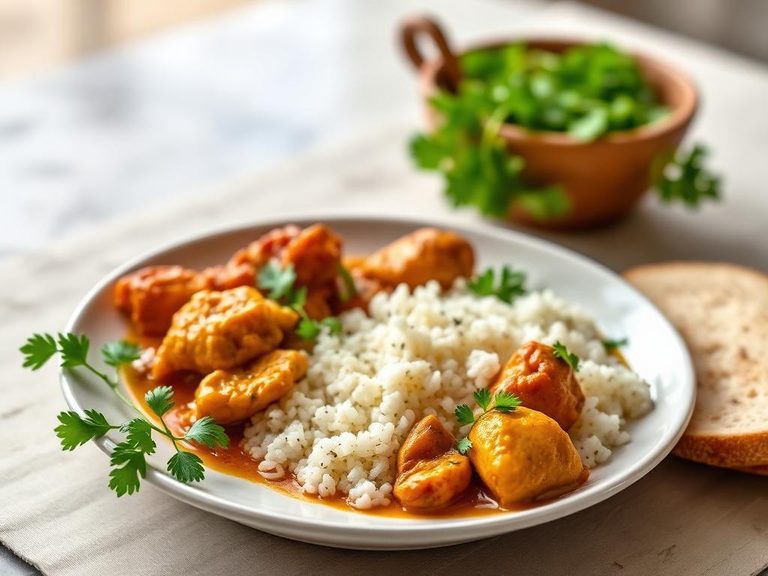
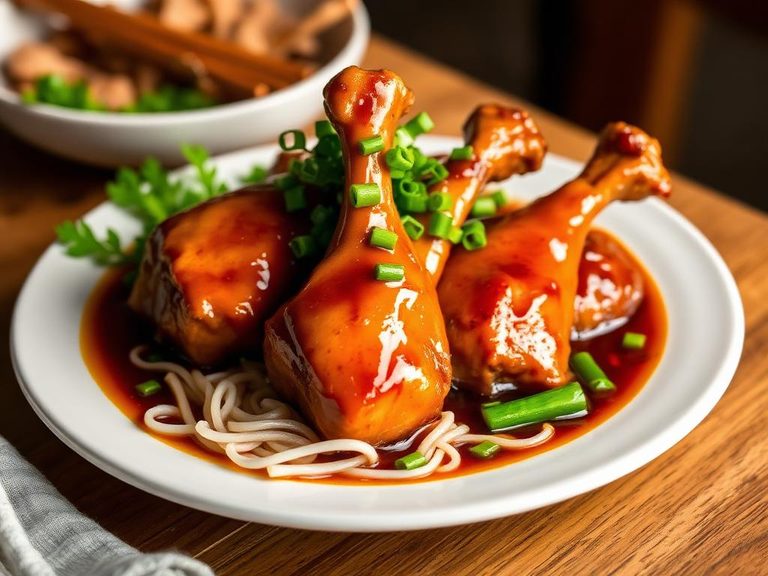
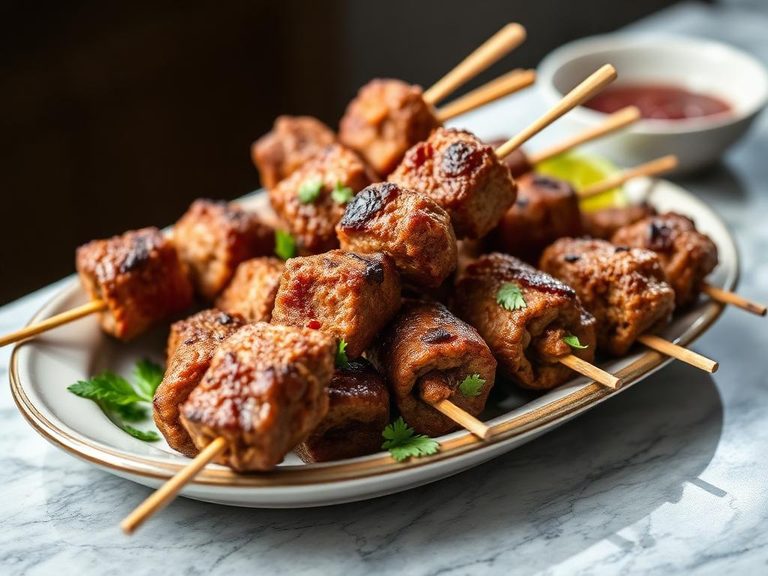
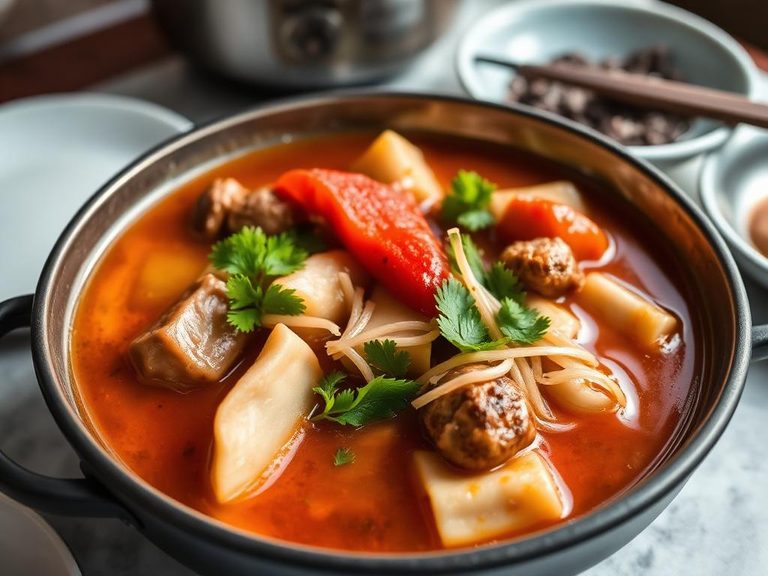
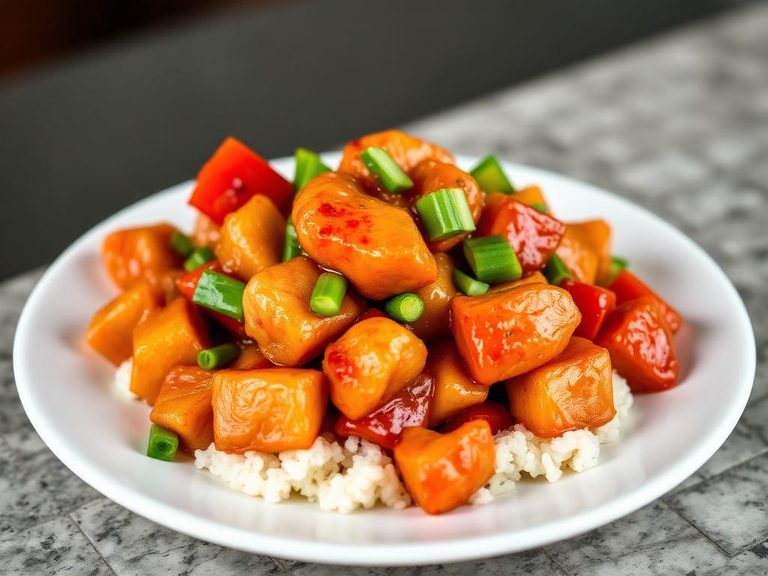
🌍 Where it's eaten
💡 Did you know?
The 'bone' in a mock chicken leg is traditionally a small wooden stick or bamboo skewer, which is left in during cooking to help the gluten hold its iconic drumstick shape.
Full nutrition (USDA data · scales with serving)
| Water | 55.3 g |
| Energy | 242 kcal |
| Protein | 21.5 g |
| Total lipid (fat) | 13.6 g |
| Carbohydrate, by difference | 8.0 g |
| Fiber, total dietary | 0.30 g |
| Total Sugars | 0.13 g |
| Calcium, Ca | 17.0 mg |
| Iron, Fe | 1.1 mg |
| Magnesium, Mg | 24.0 mg |
| Phosphorus, P | 182 mg |
| Potassium, K | 254 mg |
| Sodium, Na | 313 mg |
| Zinc, Zn | 1.4 mg |
| Copper, Cu | 0.09 mg |
| Selenium, Se | 28.2 ug |
| Vitamin C, total ascorbic acid | 0.00 mg |
| Thiamin | 0.35 mg |
| Riboflavin | 0.24 mg |
| Niacin | 6.5 mg |
| Vitamin B-6 | 0.48 mg |
| Folate, total | 19.0 ug |
| Folic acid | 13.0 ug |
| Folate, food | 6.0 ug |
| Folate, DFE | 28.0 ug |
| Choline, total | 84.4 mg |
| Vitamin B-12 | 1.2 ug |
| Vitamin B-12, added | 0.00 ug |
| Vitamin A, RAE | 2.0 ug |
| Retinol | 2.0 ug |
| Carotene, beta | 0.00 ug |
| Carotene, alpha | 0.00 ug |
| Cryptoxanthin, beta | 0.00 ug |
| Lycopene | 0.00 ug |
| Lutein + zeaxanthin | 7.0 ug |
| Vitamin E (alpha-tocopherol) | 1.9 mg |
| Vitamin E, added | 0.00 mg |
| Vitamin D (D2 + D3) | 0.50 ug |
| Vitamin K (phylloquinone) | 9.6 ug |
| Alcohol, ethyl | 0.00 g |
| Caffeine | 0.00 mg |
| Theobromine | 0.00 mg |
Fat & fatty acid profile (per 100g)
| Fatty acids, total saturated | 2.8 g |
| SFA 4:0 | 0.00 g |
| SFA 6:0 | 0.00 g |
| SFA 8:0 | 0.00 g |
| SFA 10:0 | 0.00 g |
| SFA 12:0 | 0.00 g |
| SFA 14:0 | 0.08 g |
| SFA 16:0 | 1.8 g |
| SFA 18:0 | 0.79 g |
| Fatty acids, total monounsaturated | 5.7 g |
| MUFA 16:1 | 0.15 g |
| MUFA 18:1 | 5.5 g |
| MUFA 20:1 | 0.08 g |
| MUFA 22:1 | 0.00 g |
| Fatty acids, total polyunsaturated | 4.0 g |
| PUFA 18:2 | 3.5 g |
| PUFA 18:3 | 0.41 g |
| PUFA 18:4 | 0.00 g |
| PUFA 20:4 | 0.04 g |
| PUFA 20:5 n-3 (EPA) | 0.00 g |
| PUFA 22:5 n-3 (DPA) | 0.00 g |
| PUFA 22:6 n-3 (DHA) | 0.00 g |
| Cholesterol | 57.0 mg |
FAQ
What is mock chicken leg made of?
It is primarily made from vital wheat gluten (seitan), which is washed wheat flour dough, mixed with water, spices, and sometimes soy sauce or other flavorings to form a dough that is then shaped and cooked.
Is mock chicken leg healthy?
It can be a healthy part of a diet as it's a good source of protein and low in sugar. However, it's a processed food that can be high in sodium and is not suitable for gluten-free diets. Balance is key.
How do I cook mock chicken legs?
They are often sold pre-cooked. You can pan-fry, deep-fry, braise, or add them directly to soups, curries, and stir-fries. Braising in a flavorful sauce is a popular method to infuse taste.
Nutrient density (calculated · NRF9.3)
Nutrient Rich Foods index: beneficial nutrients (protein, fiber, vitamins, minerals) minus saturated fat, added sugar & sodium, per 100 kcal.
NRF9.3 index — Fulgoni, Keast & Drewnowski, 2009. Computed from USDA nutrients.
Weight-loss friendliness (composite index)
Energy density 2.42 kcal/g · 36% calories from protein · 0.3 g fiber · 0.1 g sugar per 100 g.
Composite of energy density (Rolls et al., 1999), protein & fiber satiety, minus sugar. A calculated heuristic — ranks satiety-per-calorie, not a clinical measure.
Dietary load (calculated from USDA values)
Potential renal acid load. Positive = acid-forming, negative = alkaline-forming.
Sodium-to-potassium ratio: 1.23 (lower is better — aim for ≤ 1)
Sodium:potassium per WHO potassium guidance. Computed from USDA nutrients.