Melons, cantaloupe, raw
Whole food · Fruits and Fruit Juices
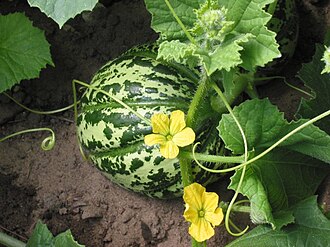
Photo: Wikipedia
Cantaloupe is a sweet, musky melon with a distinctive netted rind and vibrant orange flesh that offers a juicy, tender bite. Its high water content and natural sweetness make it a refreshing, low-calorie treat. It is an exceptional source of beta-carotene, providing over 100% of the daily value for vitamin A in a single cup.
💚 Why it's loved
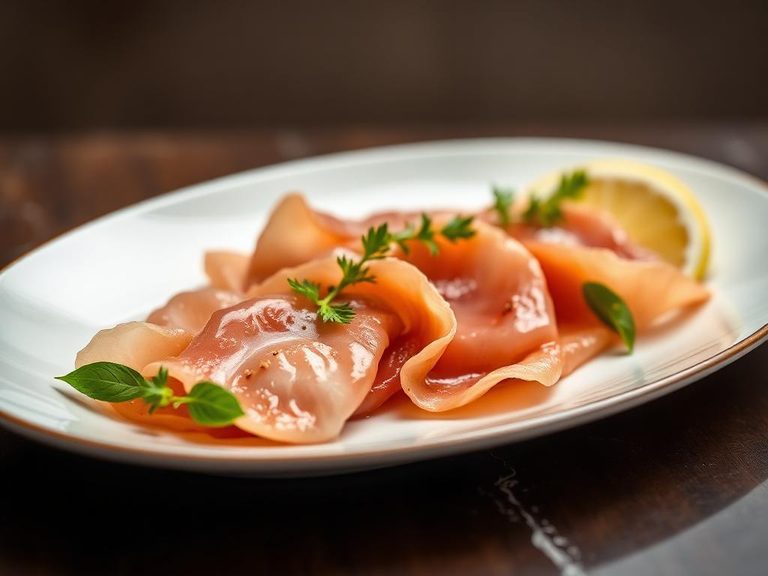
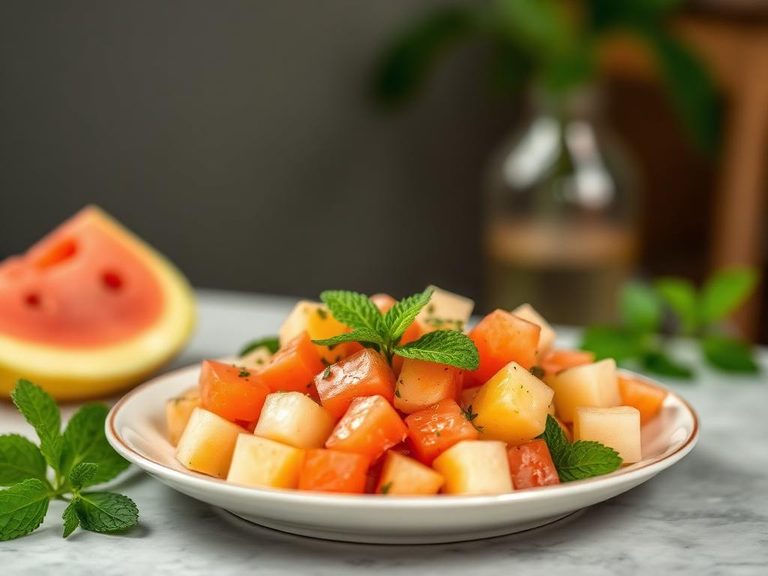
People adore cantaloupe for its intensely sweet, floral aroma and juicy, refreshing texture that epitomizes summer. Its versatility shines in both sweet and savory contexts, from breakfast bowls to prosciutto-wrapped appetizers.
⚠️ Watch-outs & how to enjoy it better
Cantaloupe's natural sugars can cause a rapid blood sugar spike, so individuals managing diabetes should practice portion control. Its porous rind can harbor bacteria, so it's crucial to wash the exterior thoroughly before cutting. Pairing it with a source of protein or fat, like Greek yogurt or nuts, can help moderate the glycemic response.
Key benefits
- Rich in beta-carotene, a precursor to vitamin A for eye health
- Excellent source of vitamin C, supporting immune function
- High water content aids hydration
- Provides potassium, which helps regulate blood pressure
- Low in calories and fat, suitable for weight management
🍽️ Popular dishes
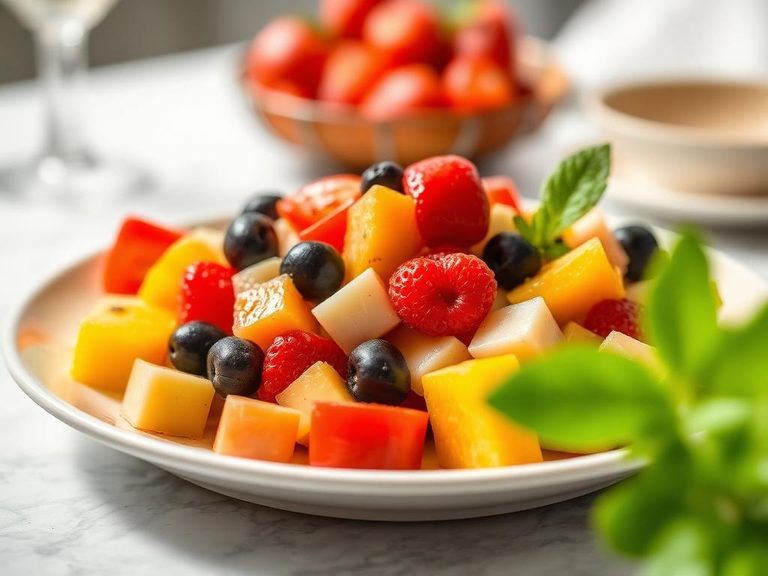

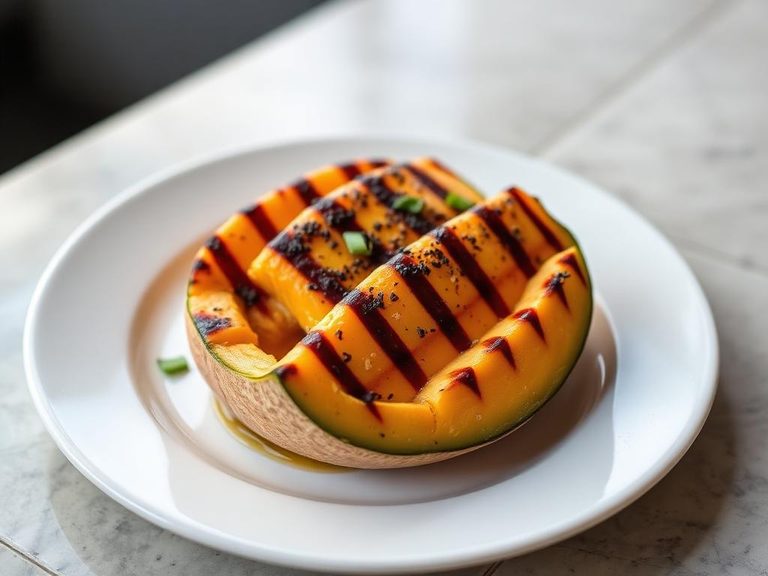
🌍 Where it's eaten
💡 Did you know?
The 'netting' on a cantaloupe's rind is actually scar tissue from the melon's rapid growth, which causes the outer skin to crack and heal.
Full nutrition (scales with serving)
| Water | 90.2 g |
| Energy | 34.0 kcal |
| Energy | 141 kj |
| Nitrogen | 0.13 g |
| Protein | 0.82 g |
| Total lipid (fat) | 0.18 g |
| Ash | 0.63 g |
| Carbohydrate, by difference | 8.2 g |
| Carbohydrate, by summation | 8.7 g |
| Fiber, total dietary | 0.80 g |
| Fiber, soluble | 0.30 g |
| Fiber, insoluble | 0.50 g |
| Sugars, Total | 7.9 g |
| Sucrose | 3.3 g |
| Glucose | 2.1 g |
| Fructose | 2.4 g |
| Lactose | 0.00 g |
| Maltose | 0.02 g |
| Galactose | 0.06 g |
| Starch | 0.02 g |
| Calcium, Ca | 9.0 mg |
| Iron, Fe | 0.38 mg |
| Magnesium, Mg | 13.0 mg |
| Phosphorus, P | 17.0 mg |
| Potassium, K | 157 mg |
| Sodium, Na | 30.0 mg |
| Zinc, Zn | 0.44 mg |
| Copper, Cu | 0.09 mg |
| Manganese, Mn | 0.05 mg |
| Selenium, Se | 1.7 ug |
| Vitamin C, total ascorbic acid | 10.9 mg |
| Thiamin | 0.05 mg |
| Riboflavin | 0.03 mg |
| Niacin | 0.69 mg |
| Pantothenic acid | 0.09 mg |
| Vitamin B-6 | 0.04 mg |
| Folate, total | 14.0 ug |
| Vitamin A, RAE | 232 ug |
| Carotene, beta | 2780 ug |
| Carotene, alpha | 0.00 ug |
| Cryptoxanthin, beta | 0.00 ug |
| Lycopene | 0.00 ug |
| Lutein + zeaxanthin | 32.0 ug |
| Vitamin K (phylloquinone) | 2.7 ug |
| Vitamin K (Dihydrophylloquinone) | 0.00 ug |
| Tryptophan | 0.00 g |
| Threonine | 0.01 g |
| Isoleucine | 0.02 g |
| Leucine | 0.02 g |
| Lysine | 0.02 g |
| Methionine | 0.01 g |
| Cystine | 0.00 g |
| Phenylalanine | 0.02 g |
| Tyrosine | 0.01 g |
| Valine | 0.03 g |
| Arginine | 0.02 g |
| Histidine | 0.01 g |
| Alanine | 0.08 g |
| Aspartic acid | 0.11 g |
| Glutamic acid | 0.17 g |
| Glycine | 0.02 g |
| Proline | 0.02 g |
| Serine | 0.03 g |
FAQ
How do I pick a ripe cantaloupe?
Look for a creamy, pale yellow 'field spot' where it sat on the ground, a sweet, musky aroma at the stem end, and a heavy feel for its size with a slightly soft blossom end.
Is cantaloupe safe to eat if I'm pregnant?
Yes, but it's important to wash the rind thoroughly before cutting to prevent potential contamination from Listeria or Salmonella that can be present on the surface.
Why does my cantaloupe taste bland?
Bland flavor often results from being picked too early. For better taste, choose melons with a strong fragrance and a golden undertone, and let them ripen at room temperature for a day or two after purchase.