

Lentils, sprouted, cooked, stir-fried, without salt
Whole food · Vegetables and Vegetable Products

Photo: Wikipedia
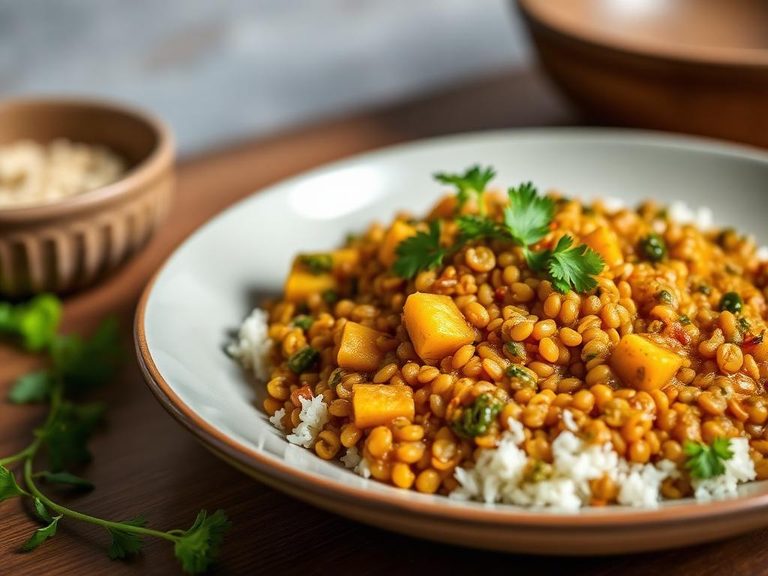
Sprouted lentils, stir-fried without salt, are tiny, tender legumes with a mild, earthy flavor and a satisfying, slightly crisp bite. They are a nutritional powerhouse, offering a remarkable 8.8 grams of complete plant protein for just 101 calories per 100g. Their light cooking method preserves their delicate texture and fresh, beany notes.
Calorie split: 28% protein · 68% carbs · 3% fat
↓ Full nutrition💚 Why it's loved
People love sprouted lentils for their quick cooking time and versatile, mild taste that absorbs sauces and spices beautifully. They are a staple in health-conscious and traditional cuisines alike, valued for their ability to add substance and nutrition to a dish without heaviness.
⚠️ Watch-outs & how to enjoy it better
As a legume, they contain antinutrients like phytates that can slightly reduce mineral absorption, and sprouting helps mitigate this. Their high carbohydrate content (21.25g per 100g) may require portion awareness for those monitoring blood sugar. Tip: Pair with a source of healthy fat (like olive oil) or acid (like lemon juice) to further enhance mineral absorption and balance the meal.
Key benefits
- Excellent source of plant-based protein for muscle maintenance.
- Low in fat and calories, supporting weight management.
- Sprouting increases bioavailability of nutrients like iron and zinc.
- Provides a steady source of complex carbohydrates for energy.
🍽️ Popular dishes
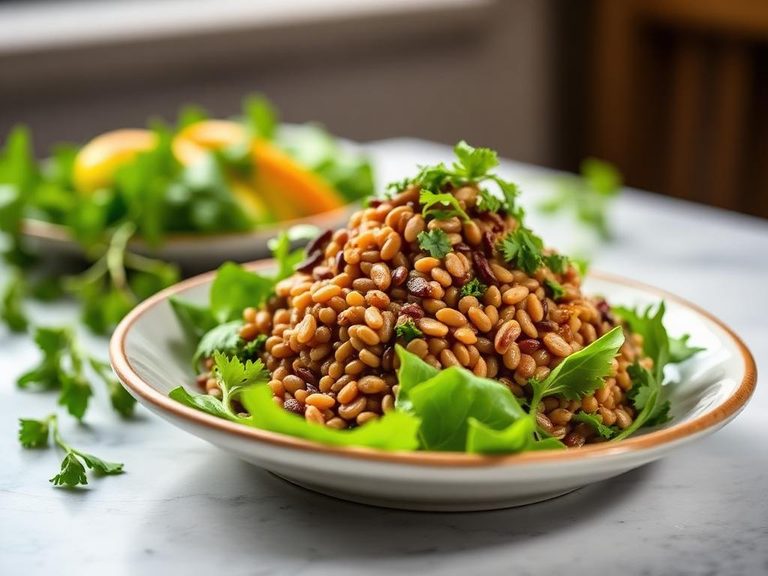
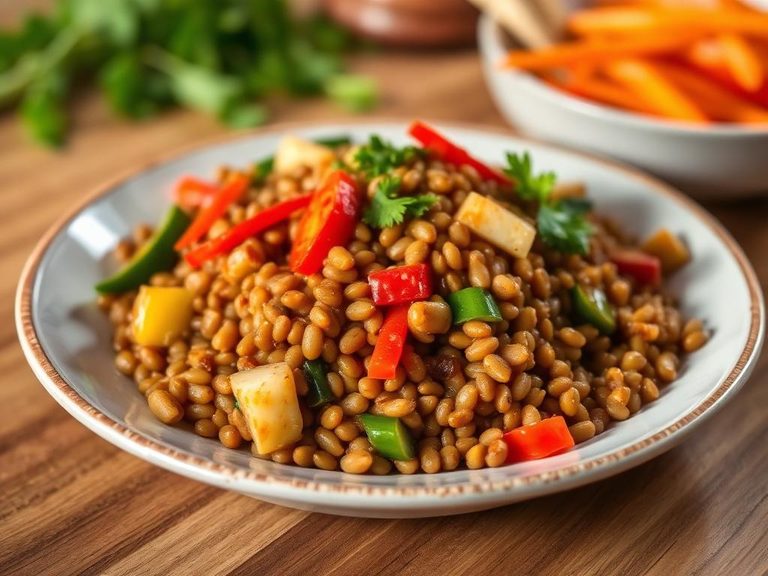
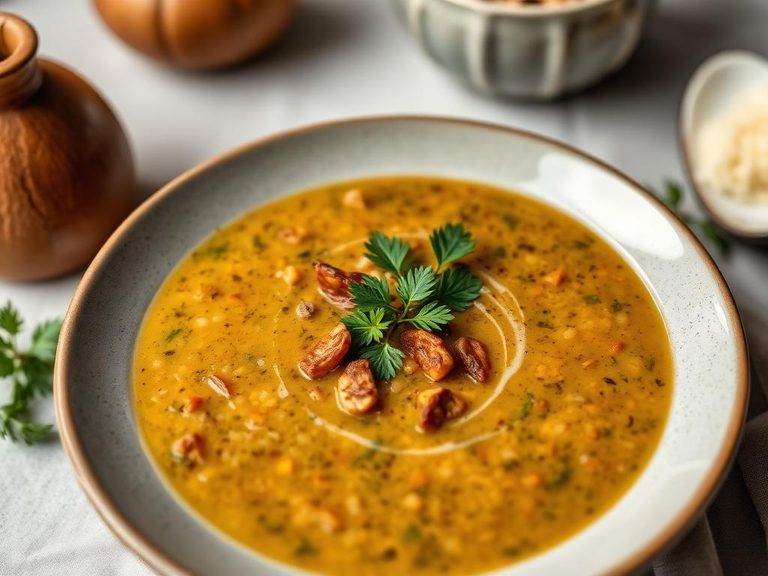
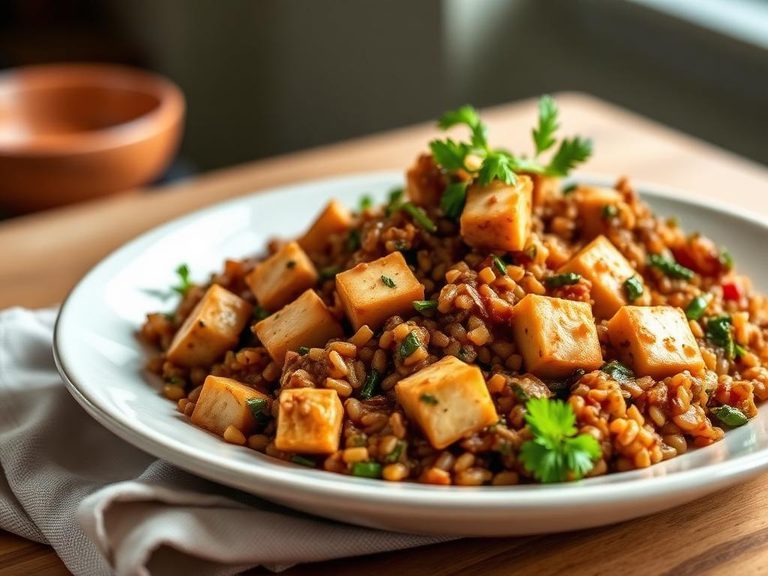
🌍 Where it's eaten
💡 Did you know?
The sprouting process can increase the vitamin C content in lentils, a nutrient not typically abundant in dried legumes.
Full nutrition (USDA data · scales with serving)
| Water | 68.7 g |
| Energy | 101 kcal |
| Energy | 423 kj |
| Protein | 8.8 g |
| Total lipid (fat) | 0.45 g |
| Ash | 0.80 g |
| Carbohydrate, by difference | 21.3 g |
| Calcium, Ca | 14.0 mg |
| Iron, Fe | 3.1 mg |
| Magnesium, Mg | 35.0 mg |
| Phosphorus, P | 153 mg |
| Potassium, K | 284 mg |
| Sodium, Na | 10.0 mg |
| Zinc, Zn | 1.6 mg |
| Copper, Cu | 0.34 mg |
| Manganese, Mn | 0.50 mg |
| Selenium, Se | 0.60 ug |
| Vitamin C, total ascorbic acid | 12.6 mg |
| Thiamin | 0.22 mg |
| Riboflavin | 0.09 mg |
| Niacin | 1.2 mg |
| Pantothenic acid | 0.57 mg |
| Vitamin B-6 | 0.16 mg |
| Folate, total | 67.0 ug |
| Folic acid | 0.00 ug |
| Folate, food | 67.0 ug |
| Folate, DFE | 67.0 ug |
| Vitamin B-12 | 0.00 ug |
| Vitamin A, RAE | 2.0 ug |
| Retinol | 0.00 ug |
| Vitamin A, IU | 41.0 iu |
| Vitamin D (D2 + D3), International Units | 0.00 iu |
| Vitamin D (D2 + D3) | 0.00 ug |
Fat & fatty acid profile (per 100g)
| Fatty acids, total saturated | 0.05 g |
| SFA 16:0 | 0.05 g |
| SFA 18:0 | 0.01 g |
| Fatty acids, total monounsaturated | 0.10 g |
| MUFA 18:1 | 0.10 g |
| Fatty acids, total polyunsaturated | 0.20 g |
| PUFA 18:2 | 0.17 g |
| PUFA 18:3 | 0.04 g |
| Fatty acids, total trans | 0.00 g |
| Cholesterol | 0.00 mg |
Amino acid profile (per 100g)
| Threonine | 0.32 g |
| Isoleucine | 0.32 g |
| Leucine | 0.62 g |
| Lysine | 0.70 g |
| Methionine | 0.10 g |
| Cystine | 0.33 g |
| Phenylalanine | 0.43 g |
| Tyrosine | 0.25 g |
| Valine | 0.39 g |
| Arginine | 0.60 g |
| Histidine | 0.25 g |
| Alanine | 0.35 g |
| Aspartic acid | 1.4 g |
| Glutamic acid | 1.2 g |
| Glycine | 0.31 g |
| Proline | 0.35 g |
| Serine | 0.49 g |
FAQ
What is the difference between regular cooked lentils and sprouted, stir-fried lentils?
Sprouted lentils are germinated before cooking, which can increase certain nutrients and give them a lighter, crisper texture. Stir-frying without salt keeps the calorie and sodium content very low compared to many prepared lentil dishes.
Are sprouted lentils a complete protein?
Yes, lentils, including sprouted ones, are considered a complete protein source, meaning they contain all nine essential amino acids, though they are slightly lower in methionine. Pairing with grains easily balances this.
How can I use sprouted, stir-fried lentils in my cooking?
They are incredibly versatile. Toss them into salads, grain bowls, or wraps for a protein boost. Use them as a base for a hearty vegetable stir-fry, or fold them into an omelet or frittata.
Nutrient density (calculated · NRF9.3)
Nutrient Rich Foods index: beneficial nutrients (protein, fiber, vitamins, minerals) minus saturated fat, added sugar & sodium, per 100 kcal.
NRF9.3 index — Fulgoni, Keast & Drewnowski, 2009. Computed from USDA nutrients.
Weight-loss friendliness (composite index)
Energy density 1.01 kcal/g · 35% calories from protein · 0.0 g fiber · 0.0 g sugar per 100 g.
Composite of energy density (Rolls et al., 1999), protein & fiber satiety, minus sugar. A calculated heuristic — ranks satiety-per-calorie, not a clinical measure.
Dietary load (calculated from USDA values)
Potential renal acid load. Positive = acid-forming, negative = alkaline-forming.
Sodium-to-potassium ratio: 0.04 (lower is better — aim for ≤ 1)
Sodium:potassium per WHO potassium guidance. Computed from USDA nutrients.