

Lamb, Australian, imported, fresh, separable fat, raw
Whole food · Lamb, Veal, and Game Products

Photo: Wikipedia
This is pure, raw lamb fat, typically trimmed from the carcass or cuts. It has a waxy, firm texture when cold that renders into a rich, silky, and intensely savory liquid when heated. Nutritionally, it is almost entirely composed of fat, providing a dense source of energy and flavor.
Calorie split: 4% protein · 0% carbs · 96% fat
↓ Full nutrition💚 Why it's loved
People love it for the unparalleled, deep savory flavor it imparts when rendered and used to cook other ingredients. It's a cornerstone of traditional cuisines for creating crispy textures and a rich, satisfying mouthfeel in everything from roasted vegetables to pastries.
⚠️ Watch-outs & how to enjoy it better
It is extremely high in saturated fat and calories, making it unsuitable for low-fat diets or those monitoring cardiovascular health. To counteract this, use it sparingly as a flavor enhancer rather than a primary fat, and balance meals with fiber-rich vegetables and lean proteins.
Key benefits
- High in calories for energy-dense cooking
- Source of saturated and monounsaturated fats
- Traditional cooking medium for high-heat searing
- Adds rich flavor and mouthfeel to dishes
- Can be rendered into tallow for long-term storage
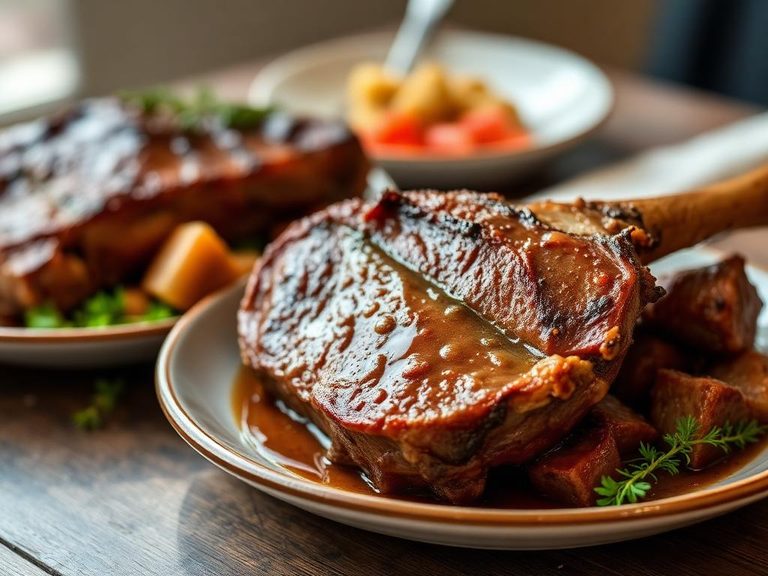
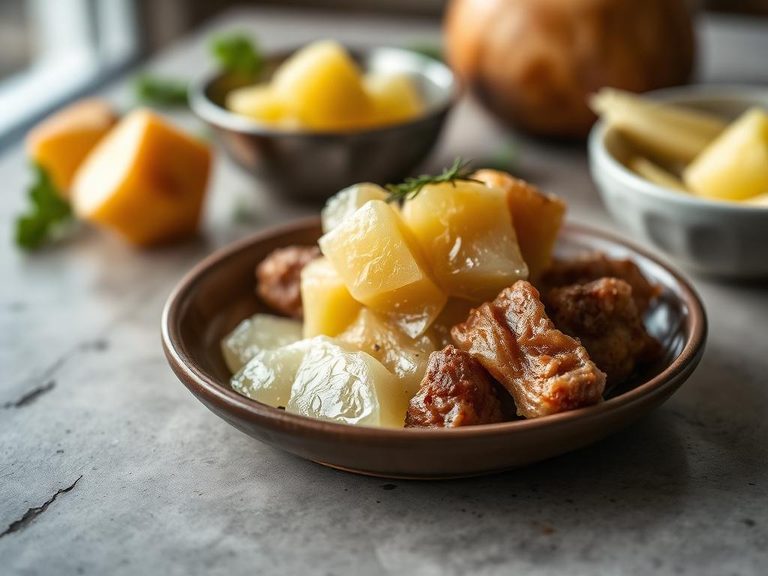
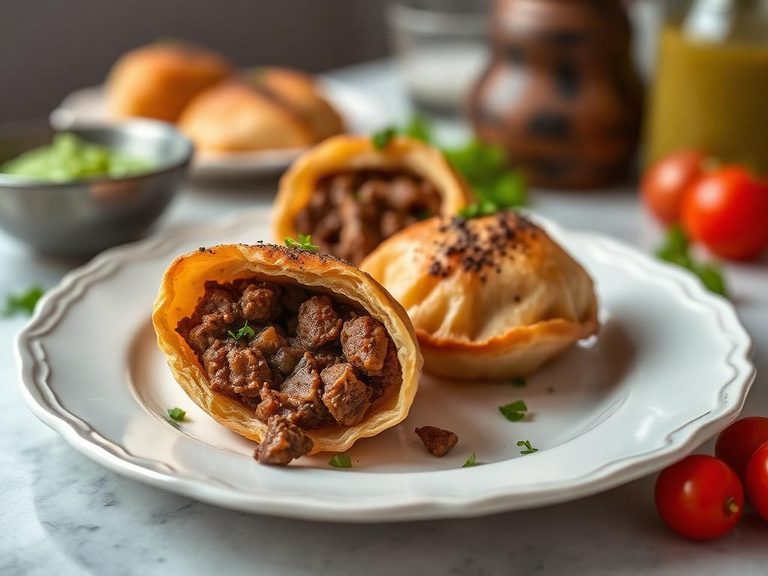
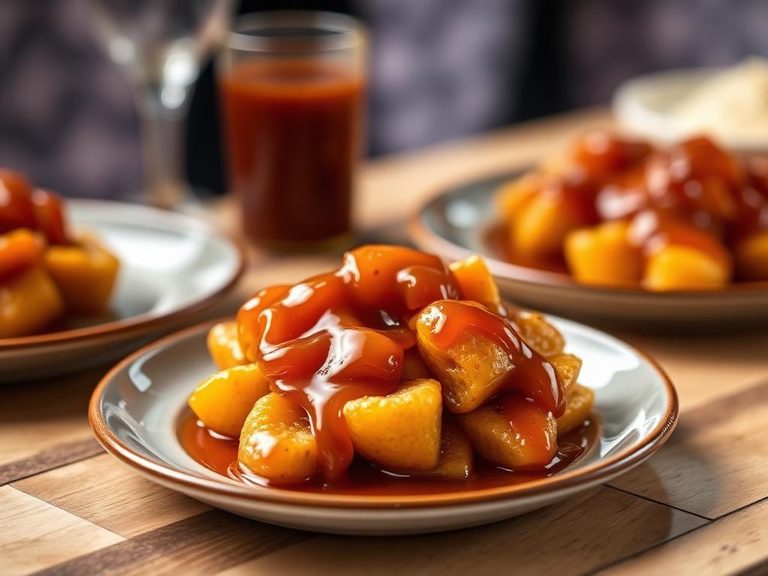
🍽️ Popular dishes
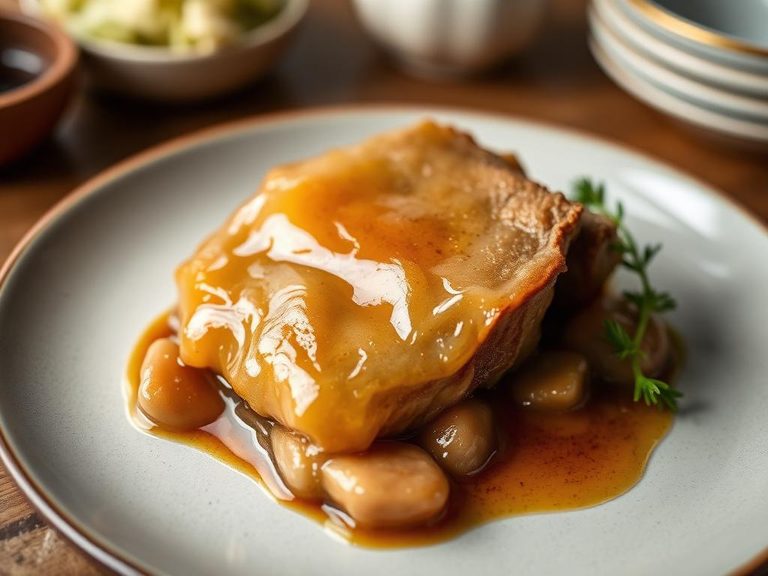
🌍 Where it's eaten
💡 Did you know?
Lamb tallow was historically used as a waterproofing agent for leather and as a fuel for oil lamps before the widespread use of kerosene.
Full nutrition (USDA data · scales with serving)
| Water | 25.1 g |
| Energy | 648 kcal |
| Energy | 2711 kj |
| Protein | 6.3 g |
| Total lipid (fat) | 68.9 g |
| Ash | 0.35 g |
| Carbohydrate, by difference | 0.00 g |
| Calcium, Ca | 19.0 mg |
| Iron, Fe | 0.63 mg |
| Magnesium, Mg | 7.0 mg |
| Phosphorus, P | 71.0 mg |
| Potassium, K | 112 mg |
| Sodium, Na | 33.0 mg |
| Zinc, Zn | 1.1 mg |
| Copper, Cu | 0.05 mg |
| Selenium, Se | 4.0 ug |
| Thiamin | 0.06 mg |
| Riboflavin | 0.11 mg |
| Niacin | 1.8 mg |
| Pantothenic acid | 0.26 mg |
| Vitamin B-6 | 0.11 mg |
| Vitamin B-12 | 1.1 ug |
Fat & fatty acid profile (per 100g)
| Fatty acids, total saturated | 35.4 g |
| SFA 10:0 | 0.14 g |
| SFA 12:0 | 0.24 g |
| SFA 14:0 | 2.9 g |
| SFA 15:0 | 0.47 g |
| SFA 16:0 | 16.2 g |
| SFA 17:0 | 1.1 g |
| SFA 18:0 | 14.1 g |
| SFA 20:0 | 0.13 g |
| Fatty acids, total monounsaturated | 28.0 g |
| MUFA 14:1 | 0.12 g |
| MUFA 16:1 | 1.3 g |
| MUFA 18:1 | 25.8 g |
| MUFA 20:1 | 0.25 g |
| Fatty acids, total polyunsaturated | 2.8 g |
| PUFA 18:2 | 1.7 g |
| PUFA 18:3 | 0.80 g |
| PUFA 20:4 | 0.26 g |
| Cholesterol | 77.0 mg |
Amino acid profile (per 100g)
| Tryptophan | 0.07 g |
| Threonine | 0.27 g |
| Isoleucine | 0.30 g |
| Leucine | 0.49 g |
| Lysine | 0.55 g |
| Methionine | 0.16 g |
| Cystine | 0.07 g |
| Phenylalanine | 0.26 g |
| Tyrosine | 0.21 g |
| Valine | 0.34 g |
| Arginine | 0.37 g |
| Histidine | 0.20 g |
| Alanine | 0.38 g |
| Aspartic acid | 0.55 g |
| Glutamic acid | 0.91 g |
| Glycine | 0.31 g |
| Proline | 0.26 g |
| Serine | 0.23 g |
FAQ
How is it different from lamb tallow?
Raw separable fat is the unprocessed fat trimmed from the meat. Lamb tallow is the result of rendering (slowly melting and straining) that raw fat, which removes impurities and creates a stable, shelf-stable cooking fat.
Can I use it for high-heat cooking?
Yes, once rendered into tallow, it has a high smoke point (around 250°C / 480°F), making it excellent for searing, roasting, and deep-frying.
How should I store it?
Raw fat should be used quickly or frozen. Rendered tallow, once strained and cooled, can be stored in an airtight container in the refrigerator for months or frozen for over a year.
Nutrient density (calculated · NRF9.3)
Nutrient Rich Foods index: beneficial nutrients (protein, fiber, vitamins, minerals) minus saturated fat, added sugar & sodium, per 100 kcal.
NRF9.3 index — Fulgoni, Keast & Drewnowski, 2009. Computed from USDA nutrients.
Weight-loss friendliness (composite index)
Energy density 6.48 kcal/g · 4% calories from protein · 0.0 g fiber · 0.0 g sugar per 100 g.
Composite of energy density (Rolls et al., 1999), protein & fiber satiety, minus sugar. A calculated heuristic — ranks satiety-per-calorie, not a clinical measure.
Dietary load (calculated from USDA values)
Potential renal acid load. Positive = acid-forming, negative = alkaline-forming.
Sodium-to-potassium ratio: 0.29 (lower is better — aim for ≤ 1)
Sodium:potassium per WHO potassium guidance. Computed from USDA nutrients.