

Game meat, moose, raw
Whole food · Lamb, Veal, and Game Products

Photo: Wikipedia
Moose meat is a lean, dark red game meat with a fine-grained texture and a rich, slightly sweet flavor reminiscent of high-quality beef but with a subtle earthy, wild undertone. Its nutritional profile is exceptionally high in protein and remarkably low in fat, making it a powerhouse for muscle maintenance and a lean alternative to conventional red meats.
Calorie split: 93% protein · 0% carbs · 7% fat
↓ Full nutrition💚 Why it's loved
People cherish moose for its deep, clean flavor that stands up to bold preparations and its cultural significance in northern regions, where it represents both a connection to the land and a prized, lean protein source.
⚠️ Watch-outs & how to enjoy it better
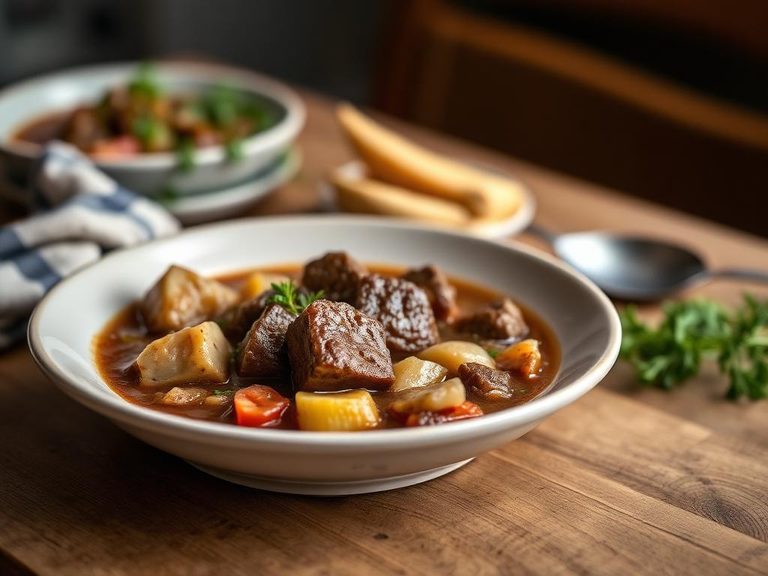
Its extreme leanness can lead to dryness if overcooked, and its strong flavor may not appeal to those accustomed to milder meats. To counteract dryness, use moist-heat cooking methods like braising or stewing, or marinate it. Pair with a flavorful sauce or fat source (like a berry reduction or butter) to enhance palatability.
Key benefits
- Excellent source of high-quality, complete protein
- Very low in total fat and saturated fat
- Rich in iron, zinc, and B vitamins (especially B12)
- Naturally free from carbohydrates and sugars
- Sustainable and often grass-fed wild game
🍽️ Popular dishes
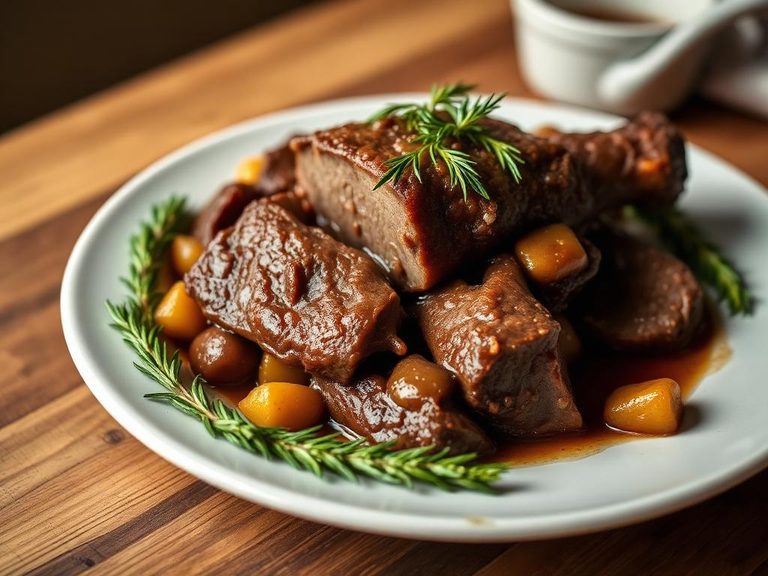
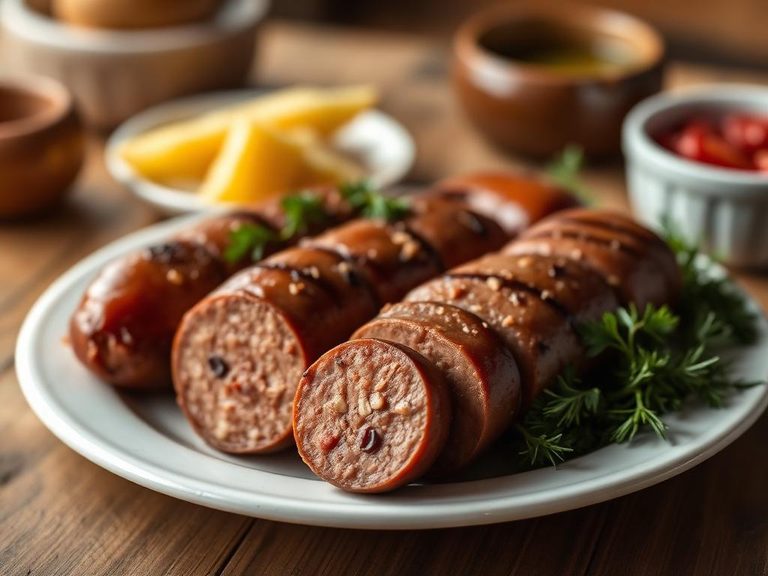
🌍 Where it's eaten
💡 Did you know?
A single adult moose can yield over 300 pounds of boneless meat, making it one of the most prolific sources of wild game protein in a single harvest.
Full nutrition (USDA data · scales with serving)
| Water | 75.5 g |
| Energy | 102 kcal |
| Energy | 427 kj |
| Protein | 22.2 g |
| Total lipid (fat) | 0.74 g |
| Ash | 1.1 g |
| Carbohydrate, by difference | 0.00 g |
| Fiber, total dietary | 0.00 g |
| Calcium, Ca | 5.0 mg |
| Iron, Fe | 3.2 mg |
| Magnesium, Mg | 23.0 mg |
| Phosphorus, P | 158 mg |
| Potassium, K | 317 mg |
| Sodium, Na | 65.0 mg |
| Zinc, Zn | 2.8 mg |
| Copper, Cu | 0.07 mg |
| Manganese, Mn | 0.01 mg |
| Selenium, Se | 9.6 ug |
| Vitamin C, total ascorbic acid | 4.0 mg |
| Thiamin | 0.06 mg |
| Riboflavin | 0.27 mg |
| Niacin | 5.0 mg |
| Vitamin A, RAE | 0.00 ug |
| Retinol | 0.00 ug |
| Vitamin A, IU | 0.00 iu |
Fat & fatty acid profile (per 100g)
| Fatty acids, total saturated | 0.22 g |
| SFA 14:0 | 0.00 g |
| SFA 16:0 | 0.09 g |
| SFA 18:0 | 0.13 g |
| Fatty acids, total monounsaturated | 0.15 g |
| MUFA 16:1 | 0.01 g |
| MUFA 18:1 | 0.14 g |
| Fatty acids, total polyunsaturated | 0.24 g |
| PUFA 18:2 | 0.14 g |
| PUFA 18:3 | 0.03 g |
| PUFA 20:4 | 0.07 g |
| Cholesterol | 59.0 mg |
Amino acid profile (per 100g)
| Threonine | 1.0 g |
| Isoleucine | 1.1 g |
| Leucine | 2.0 g |
| Lysine | 2.0 g |
| Methionine | 0.57 g |
| Phenylalanine | 0.96 g |
| Tyrosine | 0.82 g |
| Valine | 1.2 g |
| Arginine | 1.4 g |
| Histidine | 0.75 g |
| Alanine | 1.3 g |
| Aspartic acid | 2.1 g |
| Glutamic acid | 3.6 g |
| Glycine | 0.97 g |
| Proline | 0.90 g |
| Serine | 0.80 g |
FAQ
How does moose meat taste compared to beef?
Moose is leaner and has a richer, slightly sweeter and more complex flavor than beef, with a subtle wild or gamey note. The texture is finer and denser due to lower fat content.
What is the best way to cook moose to prevent it from being tough?
Because it's so lean, quick, high-heat methods for tender cuts (like loin) or long, slow, moist methods (like braising or stewing for tougher cuts) are best. Always avoid overcooking; use a meat thermometer and let it rest after cooking.
Is moose meat safe to eat raw or rare?
Like any wild game, it should be cooked to a safe internal temperature (145°F/63°C with a 3-minute rest) to eliminate potential parasites. It is not recommended to eat it raw.
Nutrient density (calculated · NRF9.3)
Nutrient Rich Foods index: beneficial nutrients (protein, fiber, vitamins, minerals) minus saturated fat, added sugar & sodium, per 100 kcal.
NRF9.3 index — Fulgoni, Keast & Drewnowski, 2009. Computed from USDA nutrients.
Weight-loss friendliness (composite index)
Energy density 1.02 kcal/g · 87% calories from protein · 0.0 g fiber · 0.0 g sugar per 100 g.
Composite of energy density (Rolls et al., 1999), protein & fiber satiety, minus sugar. A calculated heuristic — ranks satiety-per-calorie, not a clinical measure.
Dietary load (calculated from USDA values)
Potential renal acid load. Positive = acid-forming, negative = alkaline-forming.
Sodium-to-potassium ratio: 0.21 (lower is better — aim for ≤ 1)
Sodium:potassium per WHO potassium guidance. Computed from USDA nutrients.