

Fruit punch, made with fruit juice and soda
Common food

Photo: Wikipedia
A vibrant, effervescent blend of fruit juices and carbonated water, this punch delivers a sweet, tangy burst with a playful, fizzy texture. Nutritionally, it's a light, hydrating treat primarily composed of quick-energy carbohydrates from natural and added sugars.
Calorie split: 2% protein · 97% carbs · 1% fat
↓ Full nutrition💚 Why it's loved
People adore its festive, nostalgic appeal—it's the quintessential party punch that evokes summer picnics and childhood celebrations. Its customizable nature allows for endless flavor variations, making it a versatile crowd-pleaser.
⚠️ Watch-outs & how to enjoy it better
Its high sugar content can lead to rapid blood sugar spikes and subsequent energy crashes, making it a poor choice for those managing diabetes or seeking sustained energy. To mitigate this, consider diluting it further with sparkling water, pairing it with a source of protein or healthy fat (like nuts or cheese) to slow sugar absorption, or strictly controlling portion size.
Key benefits
- Provides quick energy from carbohydrates
- Offers hydration with a flavorful alternative to plain water
- Contains small amounts of fruit-derived vitamins
- Low in fat and protein, making it a light beverage option
- Can be a base for creative, non-alcoholic mocktails
🍽️ Popular dishes
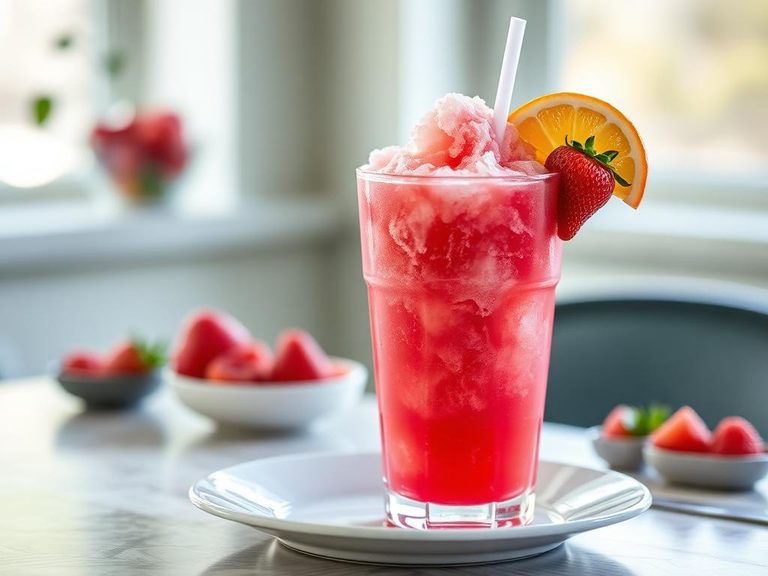
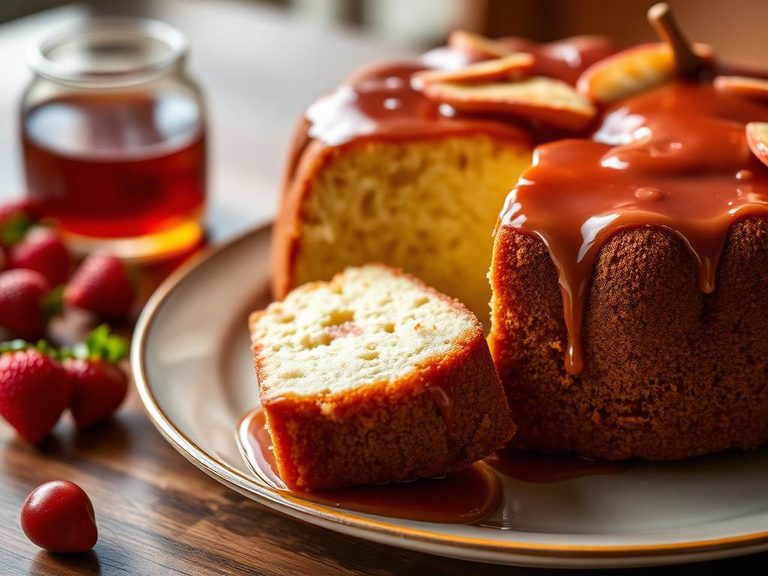

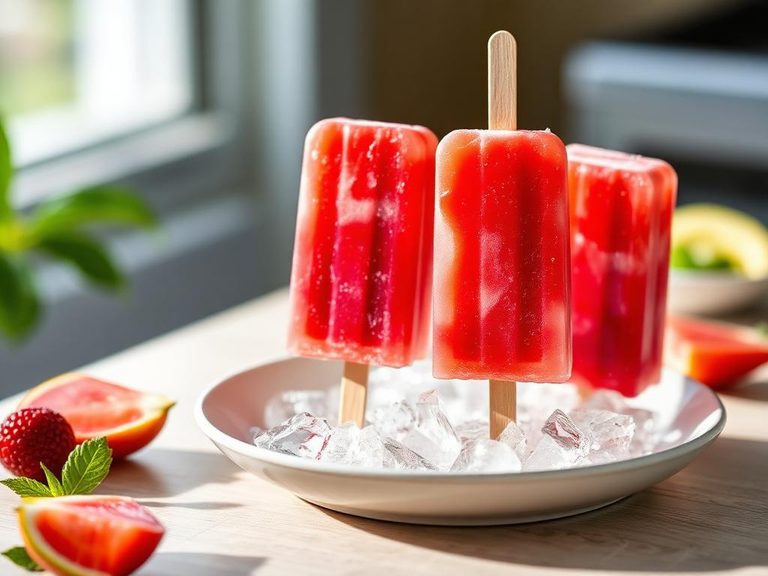
🌍 Where it's eaten
💡 Did you know?
The classic 'Hawaiian Punch' was originally created in 1934 as a topping for ice cream before being diluted and sold as a beverage.
Full nutrition (USDA data · scales with serving)
| Water | 88.8 g |
| Energy | 44.0 kcal |
| Protein | 0.18 g |
| Total lipid (fat) | 0.06 g |
| Carbohydrate, by difference | 10.8 g |
| Fiber, total dietary | 0.10 g |
| Total Sugars | 9.4 g |
| Calcium, Ca | 8.0 mg |
| Iron, Fe | 0.24 mg |
| Magnesium, Mg | 6.0 mg |
| Phosphorus, P | 4.0 mg |
| Potassium, K | 66.0 mg |
| Sodium, Na | 4.0 mg |
| Zinc, Zn | 0.08 mg |
| Copper, Cu | 0.04 mg |
| Selenium, Se | 0.10 ug |
| Vitamin C, total ascorbic acid | 5.0 mg |
| Thiamin | 0.03 mg |
| Riboflavin | 0.01 mg |
| Niacin | 0.10 mg |
| Vitamin B-6 | 0.05 mg |
| Folate, total | 9.0 ug |
| Folic acid | 0.00 ug |
| Folate, food | 9.0 ug |
| Folate, DFE | 9.0 ug |
| Choline, total | 1.6 mg |
| Vitamin B-12 | 0.00 ug |
| Vitamin B-12, added | 0.00 ug |
| Vitamin A, RAE | 0.00 ug |
| Retinol | 0.00 ug |
| Carotene, beta | 2.0 ug |
| Carotene, alpha | 0.00 ug |
| Cryptoxanthin, beta | 0.00 ug |
| Lycopene | 0.00 ug |
| Lutein + zeaxanthin | 0.00 ug |
| Vitamin E (alpha-tocopherol) | 0.01 mg |
| Vitamin E, added | 0.00 mg |
| Vitamin D (D2 + D3) | 0.00 ug |
| Vitamin K (phylloquinone) | 0.20 ug |
| Alcohol, ethyl | 0.00 g |
| Caffeine | 0.00 mg |
| Theobromine | 0.00 mg |
Fat & fatty acid profile (per 100g)
| Fatty acids, total saturated | 0.00 g |
| SFA 4:0 | 0.00 g |
| SFA 6:0 | 0.00 g |
| SFA 8:0 | 0.00 g |
| SFA 10:0 | 0.00 g |
| SFA 12:0 | 0.00 g |
| SFA 14:0 | 0.00 g |
| SFA 16:0 | 0.00 g |
| SFA 18:0 | 0.00 g |
| Fatty acids, total monounsaturated | 0.01 g |
| MUFA 16:1 | 0.00 g |
| MUFA 18:1 | 0.01 g |
| MUFA 20:1 | 0.00 g |
| MUFA 22:1 | 0.00 g |
| Fatty acids, total polyunsaturated | 0.02 g |
| PUFA 18:2 | 0.01 g |
| PUFA 18:3 | 0.01 g |
| PUFA 18:4 | 0.00 g |
| PUFA 20:4 | 0.00 g |
| PUFA 20:5 n-3 (EPA) | 0.00 g |
| PUFA 22:5 n-3 (DPA) | 0.00 g |
| PUFA 22:6 n-3 (DHA) | 0.00 g |
| Cholesterol | 0.00 mg |
FAQ
Is fruit punch the same as fruit juice?
No. Fruit juice is typically 100% juice from fruit, while fruit punch is a blend of fruit juices, water, sugar, and often added flavors and carbonation, resulting in a lower juice percentage and different nutritional profile.
Can I make a healthier version at home?
Absolutely. Blend real fruit juices (like orange, pineapple, and cranberry) with sparkling water and a touch of honey or maple syrup. This increases fiber and nutrient content while reducing added sugars.
Why does it sometimes cause a stomach ache?
The combination of high sugar content and carbonation can lead to bloating and digestive discomfort in some individuals. Drinking it slowly and in moderation can help.
Nutrient density (calculated · NRF9.3)
Nutrient Rich Foods index: beneficial nutrients (protein, fiber, vitamins, minerals) minus saturated fat, added sugar & sodium, per 100 kcal.
NRF9.3 index — Fulgoni, Keast & Drewnowski, 2009. Computed from USDA nutrients.
Weight-loss friendliness (composite index)
Energy density 0.44 kcal/g · 2% calories from protein · 0.1 g fiber · 9.4 g sugar per 100 g.
Composite of energy density (Rolls et al., 1999), protein & fiber satiety, minus sugar. A calculated heuristic — ranks satiety-per-calorie, not a clinical measure.
Dietary load (calculated from USDA values)
Potential renal acid load. Positive = acid-forming, negative = alkaline-forming.
Sodium-to-potassium ratio: 0.06 (lower is better — aim for ≤ 1)
Sodium:potassium per WHO potassium guidance. Computed from USDA nutrients.