

Fish, cusk, cooked, dry heat
Whole food · Finfish and Shellfish Products
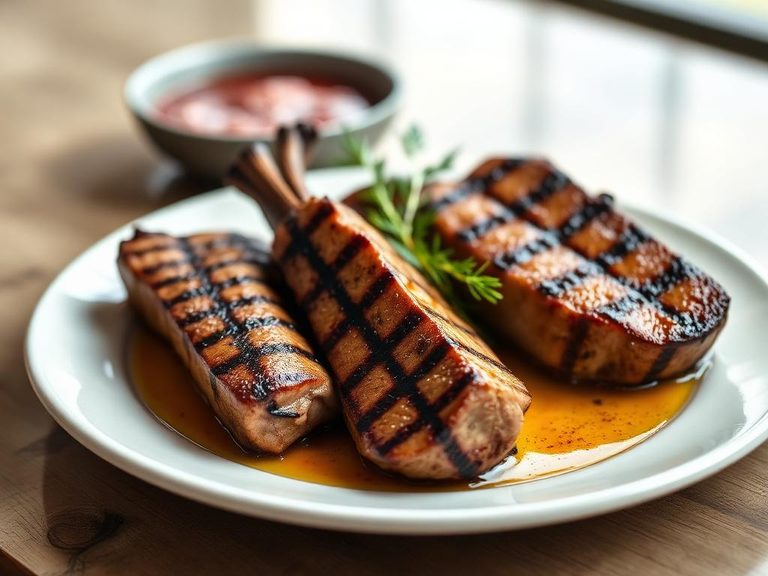
Cusk is a lean, deep-water cod-like fish prized for its exceptionally mild, sweet flavor and firm, flaky texture that holds up beautifully to dry-heat cooking. Its snow-white flesh is remarkably low in fat and calories while being a powerhouse of complete protein, making it a clean, versatile canvas for bold seasonings or simple preparations.
Calorie split: 92% protein · 0% carbs · 8% fat
↓ Full nutrition💚 Why it's loved
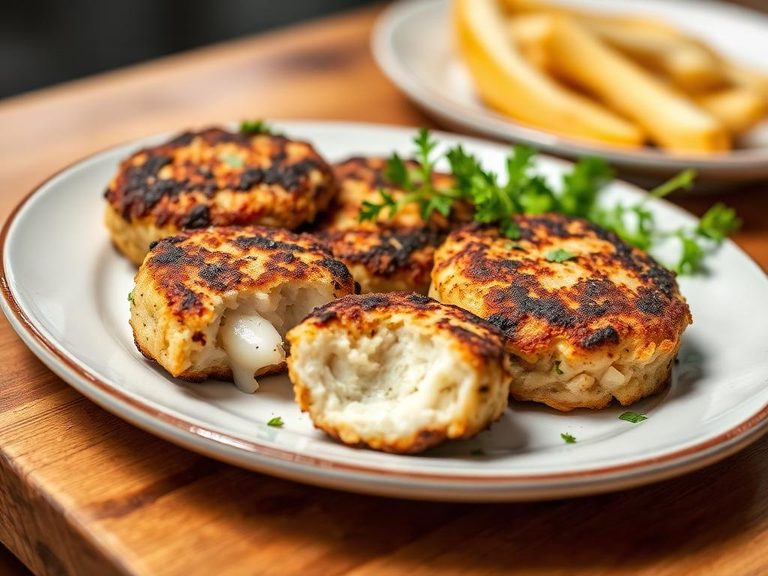
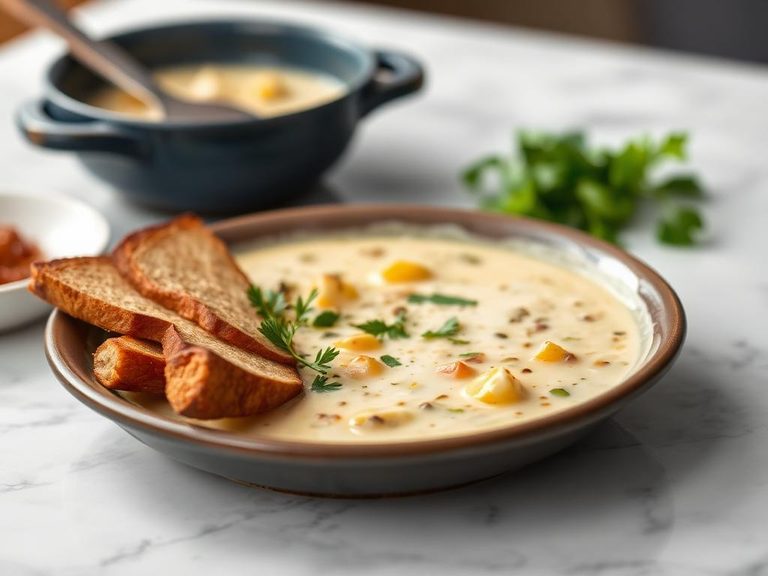
People love cusk for its delicate, non-fishy taste that appeals even to those wary of seafood, and its robust texture that doesn't fall apart on the grill or in the oven. It's a beloved staple in New England for its use in classic fish cakes and chowders, valued for its ability to absorb surrounding flavors.
⚠️ Watch-outs & how to enjoy it better
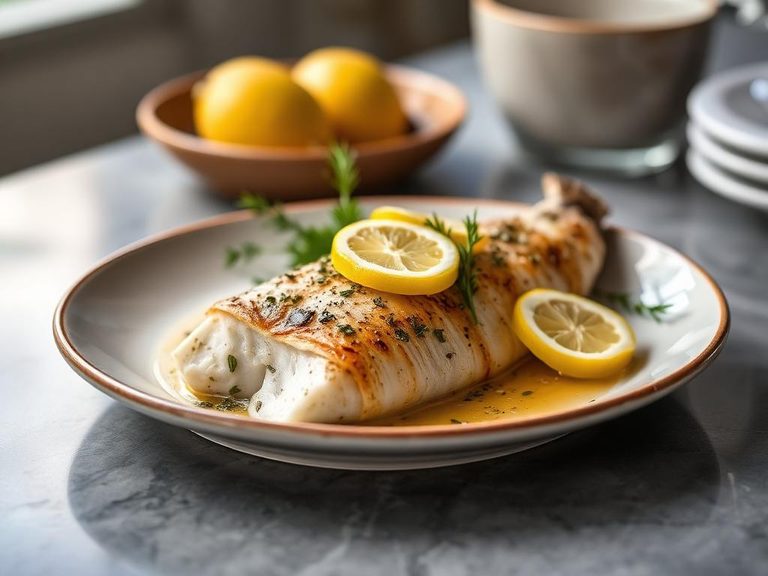
Its very mild flavor can be perceived as bland if not seasoned well, and its low fat content means it can dry out if overcooked. As with all finfish, it is a common allergen. To counteract dryness, marinate briefly or brush with a small amount of oil before cooking; for flavor, pair with acidic elements like lemon or bold sauces.
Key benefits
- Excellent source of high-quality, complete protein (24g per 100g)
- Very low in calories (112 kcal per 100g) and fat (<1g)
- Contains essential nutrients like phosphorus, selenium, and B vitamins
- Naturally free of carbohydrates and sugars
🍽️ Popular dishes
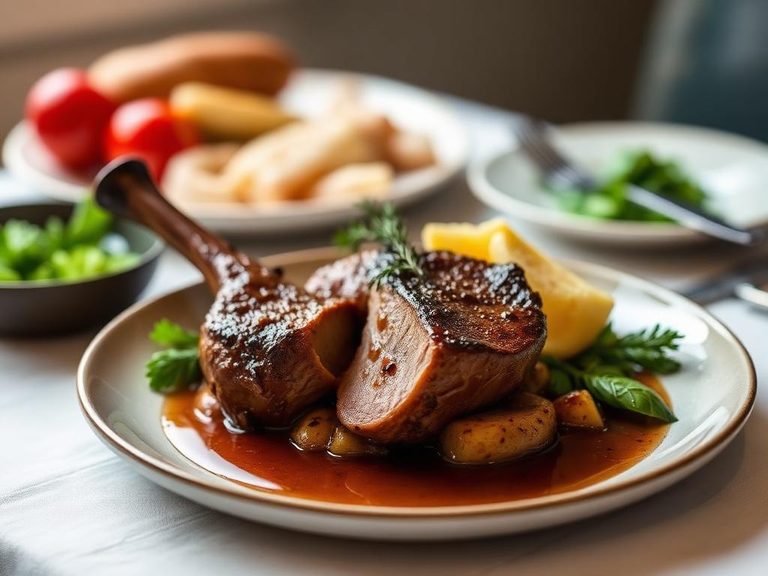
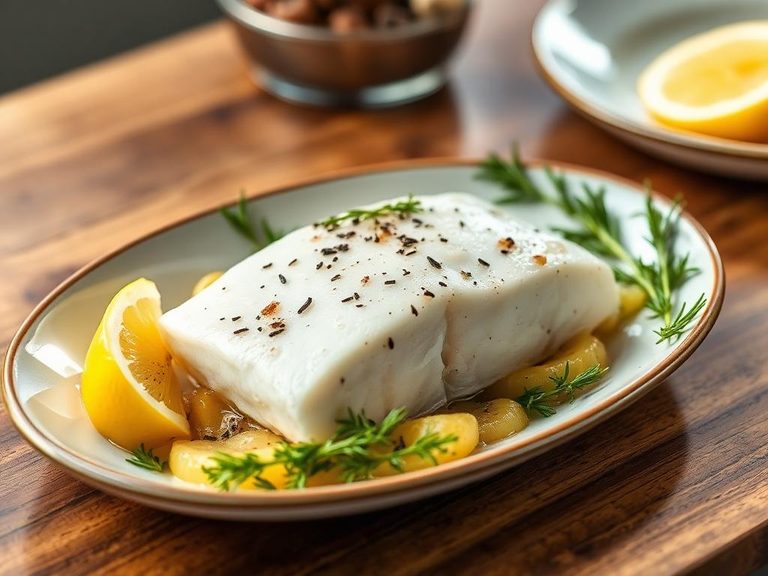
🌍 Where it's eaten
💡 Did you know?
Despite its name, cusk (Brosme brosme) is not a true cod but belongs to the same family (Gadidae), and it's often called 'ling' or 'tusk' in different regions, leading to frequent confusion with other fish.
Full nutrition (USDA data · scales with serving)
| Water | 69.7 g |
| Energy | 112 kcal |
| Energy | 469 kj |
| Protein | 24.4 g |
| Total lipid (fat) | 0.88 g |
| Ash | 1.6 g |
| Carbohydrate, by difference | 0.00 g |
| Fiber, total dietary | 0.00 g |
| Calcium, Ca | 13.0 mg |
| Iron, Fe | 1.1 mg |
| Magnesium, Mg | 40.0 mg |
| Phosphorus, P | 262 mg |
| Potassium, K | 503 mg |
| Sodium, Na | 40.0 mg |
| Zinc, Zn | 0.49 mg |
| Copper, Cu | 0.02 mg |
| Manganese, Mn | 0.02 mg |
| Selenium, Se | 46.8 ug |
| Vitamin C, total ascorbic acid | 0.00 mg |
| Thiamin | 0.05 mg |
| Riboflavin | 0.16 mg |
| Niacin | 3.3 mg |
| Pantothenic acid | 0.32 mg |
| Vitamin B-6 | 0.45 mg |
| Folate, total | 2.0 ug |
| Folic acid | 0.00 ug |
| Folate, food | 2.0 ug |
| Folate, DFE | 2.0 ug |
| Vitamin B-12 | 1.2 ug |
| Vitamin A, RAE | 21.0 ug |
| Retinol | 21.0 ug |
| Vitamin A, IU | 69.0 iu |
Fat & fatty acid profile (per 100g)
| Cholesterol | 53.0 mg |
Amino acid profile (per 100g)
| Tryptophan | 0.27 g |
| Threonine | 1.1 g |
| Isoleucine | 1.1 g |
| Leucine | 2.0 g |
| Lysine | 2.2 g |
| Methionine | 0.72 g |
| Cystine | 0.26 g |
| Phenylalanine | 0.95 g |
| Tyrosine | 0.82 g |
| Valine | 1.3 g |
| Arginine | 1.5 g |
| Histidine | 0.72 g |
| Alanine | 1.5 g |
| Aspartic acid | 2.5 g |
| Glutamic acid | 3.6 g |
| Glycine | 1.2 g |
| Proline | 0.86 g |
| Serine | 0.99 g |
FAQ
How does cusk differ from cod or haddock?
Cusk has a firmer, denser texture and a slightly sweeter, milder flavor than cod or haddock. Its flesh holds together better in soups and stews, making it ideal for chowders and fish cakes.
What's the best way to cook cusk to keep it moist?
Given its low fat, avoid overcooking. Methods like baking en papillote (in parchment), quick pan-searing, or poaching in a flavorful liquid help retain moisture. An internal temperature of 145°F (63°C) is ideal.
Is cusk sustainable to eat?
Sustainability varies by region and fishery. Look for cusk sourced from well-managed Atlantic fisheries with certifications like Marine Stewardship Council (MSC), as stocks can be vulnerable to overfishing.
Nutrient density (calculated · NRF9.3)
Nutrient Rich Foods index: beneficial nutrients (protein, fiber, vitamins, minerals) minus saturated fat, added sugar & sodium, per 100 kcal.
NRF9.3 index — Fulgoni, Keast & Drewnowski, 2009. Computed from USDA nutrients.
Weight-loss friendliness (composite index)
Energy density 1.12 kcal/g · 87% calories from protein · 0.0 g fiber · 0.0 g sugar per 100 g.
Composite of energy density (Rolls et al., 1999), protein & fiber satiety, minus sugar. A calculated heuristic — ranks satiety-per-calorie, not a clinical measure.
Dietary load (calculated from USDA values)
Potential renal acid load. Positive = acid-forming, negative = alkaline-forming.
Sodium-to-potassium ratio: 0.08 (lower is better — aim for ≤ 1)
Sodium:potassium per WHO potassium guidance. Computed from USDA nutrients.