Corn, fresh, cooked, no added fat
Common food

Photo: Wikipedia
Fresh cooked corn kernels burst with a sweet, milky juice when bitten, offering a tender yet satisfyingly crisp texture. At just 86 calories per 100g, it's a naturally low-fat, energy-dense carbohydrate source, providing a quick lift from its natural sugars and fiber.
💚 Why it's loved
People adore its sunny, sweet flavor that tastes like summer itself, and its incredible versatility makes it a beloved staple from the cob to the kernel in countless global cuisines.
⚠️ Watch-outs & how to enjoy it better
Its high carbohydrate and natural sugar content can cause blood-sugar spikes, so those monitoring glucose should practice portion control. To counteract this, pair corn with a source of protein (like beans or chicken) or healthy fat (like avocado or olive oil) to slow digestion and stabilize energy release.
Key benefits
- Excellent source of dietary fiber for digestive health
- Provides antioxidants like lutein and zeaxanthin for eye health
- Naturally low in fat and cholesterol-free
- Good source of plant-based protein for muscle maintenance
- Contains essential minerals like magnesium and phosphorus
🍽️ Popular dishes
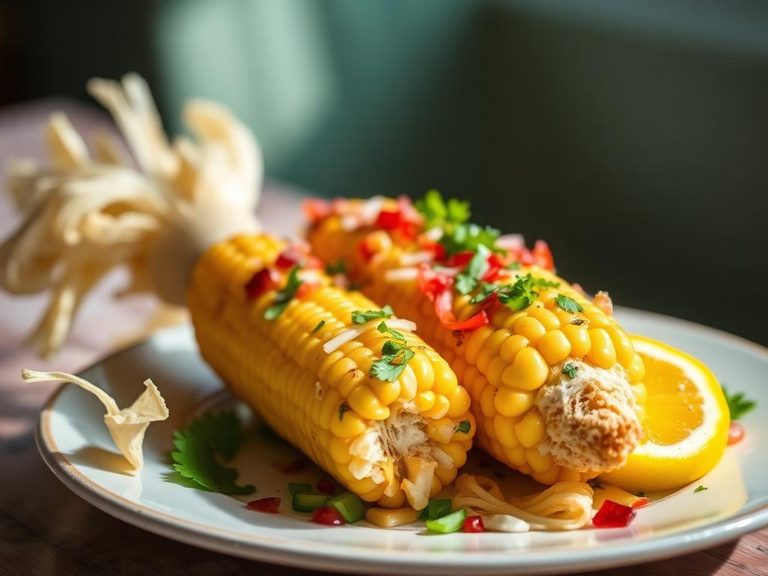
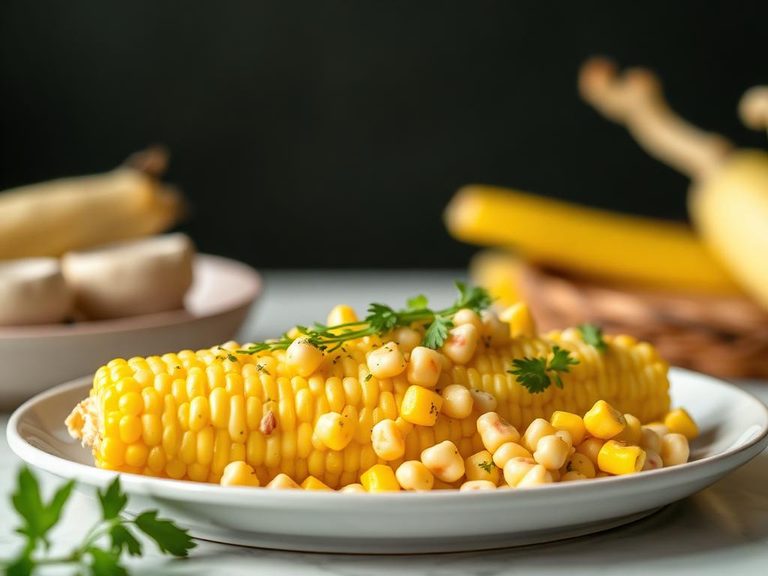
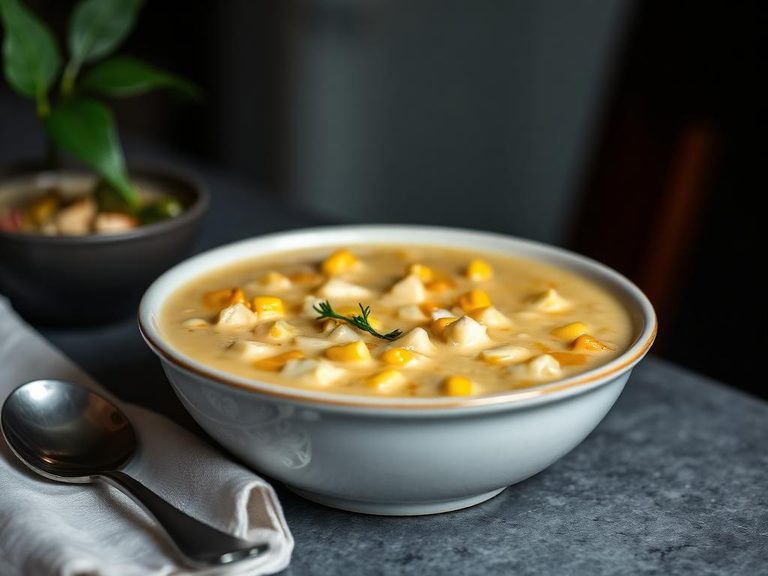
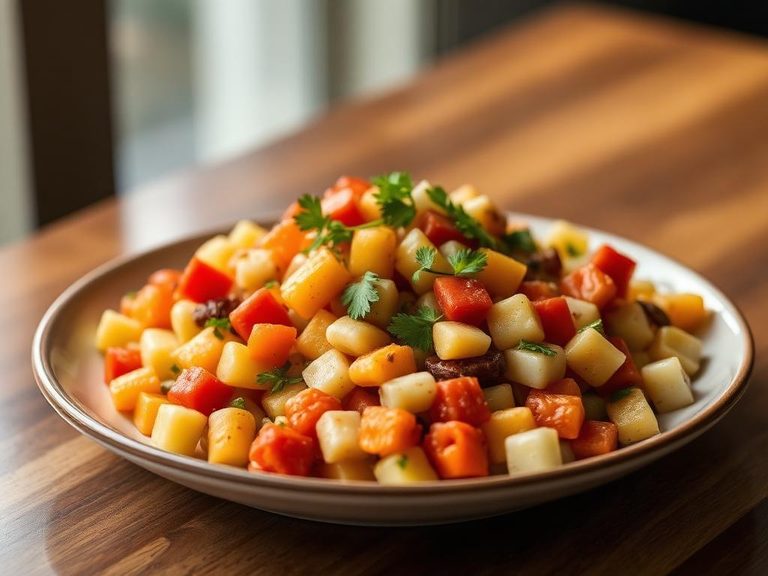
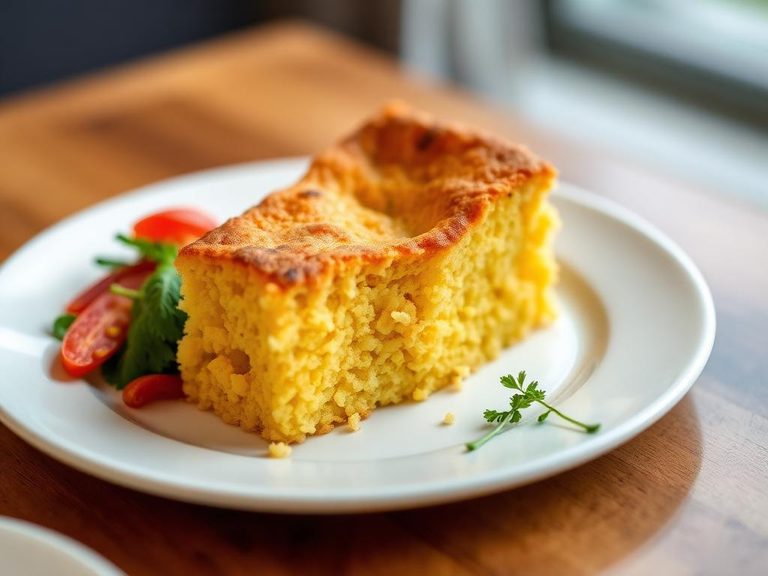
🌍 Where it's eaten
💡 Did you know?
A single ear of corn has an average of 800 kernels arranged in an even number of rows, typically 16.
Full nutrition (scales with serving)
| Water | 75.8 g |
| Energy | 86.0 kcal |
| Protein | 3.3 g |
| Total lipid (fat) | 1.4 g |
| Carbohydrate, by difference | 18.6 g |
| Fiber, total dietary | 2.0 g |
| Total Sugars | 6.2 g |
| Calcium, Ca | 2.0 mg |
| Iron, Fe | 0.52 mg |
| Magnesium, Mg | 37.0 mg |
| Phosphorus, P | 89.0 mg |
| Potassium, K | 269 mg |
| Sodium, Na | 131 mg |
| Zinc, Zn | 0.46 mg |
| Copper, Cu | 0.05 mg |
| Selenium, Se | 0.60 ug |
| Vitamin C, total ascorbic acid | 5.8 mg |
| Thiamin | 0.14 mg |
| Riboflavin | 0.05 mg |
| Niacin | 1.7 mg |
| Vitamin B-6 | 0.08 mg |
| Folate, total | 36.0 ug |
| Folic acid | 0.00 ug |
| Folate, food | 36.0 ug |
| Folate, DFE | 36.0 ug |
| Choline, total | 22.9 mg |
| Vitamin B-12 | 0.00 ug |
| Vitamin B-12, added | 0.00 ug |
| Vitamin A, RAE | 9.0 ug |
| Retinol | 0.00 ug |
| Carotene, beta | 45.0 ug |
| Carotene, alpha | 15.0 ug |
| Cryptoxanthin, beta | 109 ug |
| Lycopene | 0.00 ug |
| Lutein + zeaxanthin | 610 ug |
| Vitamin E (alpha-tocopherol) | 0.07 mg |
| Vitamin E, added | 0.00 mg |
| Vitamin D (D2 + D3) | 0.00 ug |
| Vitamin K (phylloquinone) | 0.30 ug |
| Fatty acids, total saturated | 0.32 g |
| SFA 4:0 | 0.00 g |
| SFA 6:0 | 0.00 g |
| SFA 8:0 | 0.00 g |
| SFA 10:0 | 0.00 g |
| SFA 12:0 | 0.00 g |
| SFA 14:0 | 0.00 g |
| SFA 16:0 | 0.26 g |
| SFA 18:0 | 0.04 g |
| Fatty acids, total monounsaturated | 0.43 g |
| MUFA 16:1 | 0.00 g |
| MUFA 18:1 | 0.42 g |
| MUFA 20:1 | 0.01 g |
| MUFA 22:1 | 0.00 g |
| Fatty acids, total polyunsaturated | 0.49 g |
| PUFA 18:2 | 0.47 g |
| PUFA 18:3 | 0.01 g |
| PUFA 18:4 | 0.00 g |
| PUFA 20:4 | 0.00 g |
| PUFA 20:5 n-3 (EPA) | 0.00 g |
| PUFA 22:5 n-3 (DPA) | 0.00 g |
| PUFA 22:6 n-3 (DHA) | 0.00 g |
| Cholesterol | 0.00 mg |
| Alcohol, ethyl | 0.00 g |
| Caffeine | 0.00 mg |
| Theobromine | 0.00 mg |
FAQ
Is fresh corn a vegetable or a grain?
Botanically, it's a whole grain (a fruit of the grass family). Nutritionally, it's often treated as a starchy vegetable due to its carb content.
Why does corn sometimes pass through undigested?
The outer hull of corn kernels is made of cellulose, which human digestive enzymes can't break down. This is normal and contributes insoluble fiber.
Is canned corn as nutritious as fresh?
Canned corn is picked at peak ripeness and retains most nutrients. Choose 'no salt added' versions and rinse before use to reduce sodium.