

Coleslaw dressing
Common food

Photo: Wikipedia
Coleslaw dressing is a rich, creamy emulsion, typically mayonnaise-based, that coats shredded cabbage and carrots with a tangy, sweet, and savory flavor. Its texture is smooth and velvety, providing a luxurious contrast to the crisp vegetables it dresses. Nutritionally, it is very energy-dense, with over 34g of fat and 21g of sugar per 100g, making it a high-calorie condiment.
Calorie split: 1% protein · 22% carbs · 77% fat
↓ Full nutrition💚 Why it's loved
People love coleslaw dressing for its perfect balance of creamy, tangy, and sweet notes that elevate simple shredded vegetables into a satisfying side. Its cultural ubiquity at barbecues, delis, and picnics makes it a beloved comfort food staple.
⚠️ Watch-outs & how to enjoy it better
The high fat and sugar content can contribute to excess calorie intake and may cause blood sugar spikes for some individuals. To counteract this, practice strict portion control (using 1-2 tablespoons per serving) and pair it with a lean protein source like grilled chicken or fish to improve satiety and balance the meal.
Key benefits
- Provides a quick source of energy from fats and carbohydrates.
- Enhances the palatability and consumption of raw cruciferous vegetables.
- Acts as a fat-soluble vitamin carrier (like Vitamin K from cabbage).
- Offers a versatile flavor base that can be customized with spices and acids.
🍽️ Popular dishes
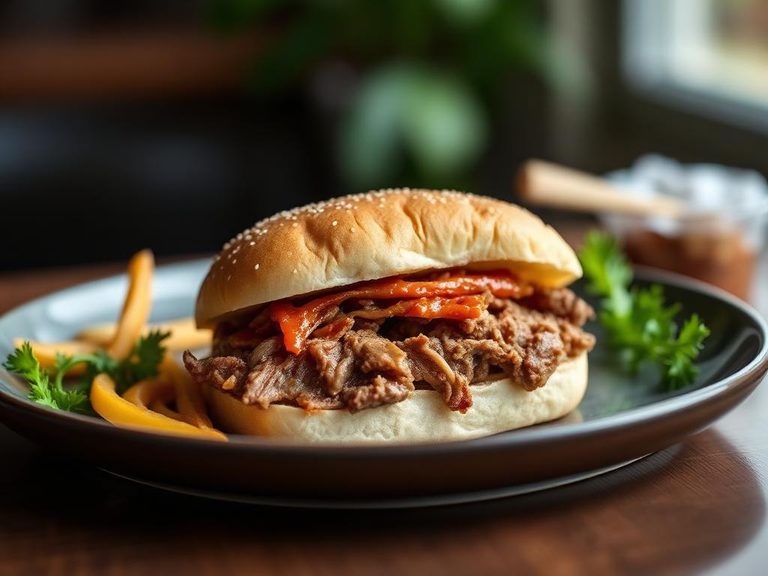
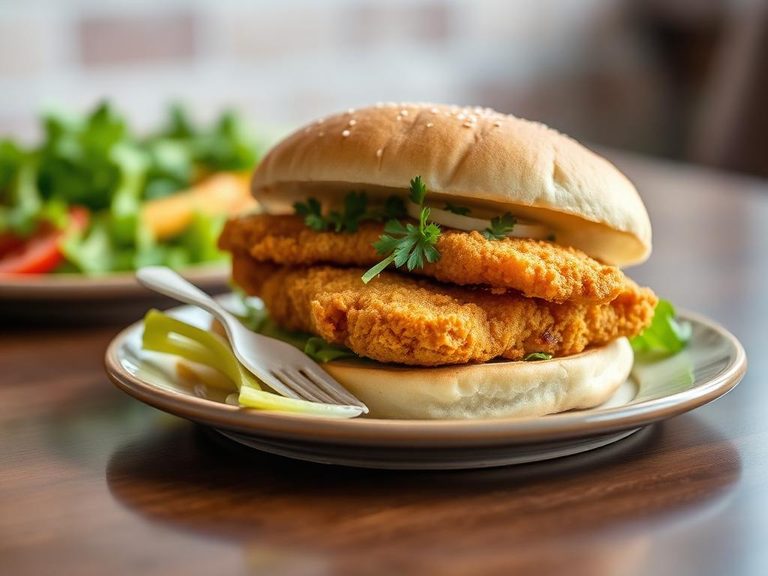
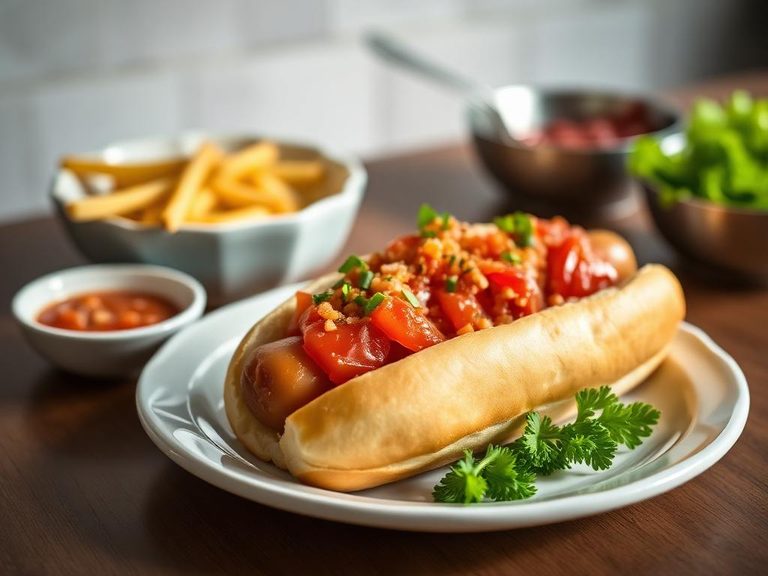
🌍 Where it's eaten
💡 Did you know?
The classic creamy American coleslaw dressing is essentially a variation of mayonnaise, which is itself a cold emulsion of oil, egg yolk, and an acid like vinegar or lemon juice.
Full nutrition (USDA data · scales with serving)
| Water | 39.9 g |
| Energy | 404 kcal |
| Protein | 0.85 g |
| Total lipid (fat) | 34.5 g |
| Carbohydrate, by difference | 22.4 g |
| Fiber, total dietary | 0.00 g |
| Total Sugars | 21.2 g |
| Calcium, Ca | 9.0 mg |
| Iron, Fe | 0.33 mg |
| Magnesium, Mg | 3.0 mg |
| Phosphorus, P | 42.0 mg |
| Potassium, K | 35.0 mg |
| Sodium, Na | 850 mg |
| Zinc, Zn | 0.16 mg |
| Copper, Cu | 0.02 mg |
| Selenium, Se | 4.8 ug |
| Vitamin C, total ascorbic acid | 0.60 mg |
| Thiamin | 0.03 mg |
| Riboflavin | 0.06 mg |
| Niacin | 0.06 mg |
| Vitamin B-6 | 0.01 mg |
| Folate, total | 4.0 ug |
| Folic acid | 0.00 ug |
| Folate, food | 4.0 ug |
| Folate, DFE | 4.0 ug |
| Choline, total | 14.6 mg |
| Vitamin B-12 | 0.09 ug |
| Vitamin B-12, added | 0.00 ug |
| Vitamin A, RAE | 17.0 ug |
| Retinol | 16.0 ug |
| Carotene, beta | 4.0 ug |
| Carotene, alpha | 2.0 ug |
| Cryptoxanthin, beta | 1.0 ug |
| Lycopene | 0.00 ug |
| Lutein + zeaxanthin | 48.0 ug |
| Vitamin E (alpha-tocopherol) | 3.1 mg |
| Vitamin E, added | 0.00 mg |
| Vitamin D (D2 + D3) | 0.00 ug |
| Vitamin K (phylloquinone) | 66.1 ug |
| Alcohol, ethyl | 0.00 g |
| Caffeine | 0.00 mg |
| Theobromine | 0.00 mg |
Fat & fatty acid profile (per 100g)
| Fatty acids, total saturated | 5.3 g |
| SFA 4:0 | 0.01 g |
| SFA 6:0 | 0.00 g |
| SFA 8:0 | 0.03 g |
| SFA 10:0 | 0.01 g |
| SFA 12:0 | 0.01 g |
| SFA 14:0 | 0.03 g |
| SFA 16:0 | 3.6 g |
| SFA 18:0 | 1.4 g |
| Fatty acids, total monounsaturated | 7.4 g |
| MUFA 16:1 | 0.04 g |
| MUFA 18:1 | 7.1 g |
| MUFA 20:1 | 0.18 g |
| MUFA 22:1 | 0.07 g |
| Fatty acids, total polyunsaturated | 19.4 g |
| PUFA 18:2 | 16.8 g |
| PUFA 18:3 | 2.6 g |
| PUFA 18:4 | 0.00 g |
| PUFA 20:4 | 0.02 g |
| PUFA 20:5 n-3 (EPA) | 0.00 g |
| PUFA 22:5 n-3 (DPA) | 0.00 g |
| PUFA 22:6 n-3 (DHA) | 0.01 g |
| Cholesterol | 41.0 mg |
FAQ
What is the main difference between creamy and vinegar-based coleslaw dressings?
Creamy dressings are mayonnaise-based, offering a rich, thick texture and higher fat content. Vinegar-based dressings are lighter, tangier, and typically lower in calories and fat, using oil, vinegar, and sugar.
Can I make coleslaw dressing healthier?
Yes. You can substitute some or all of the mayonnaise with Greek yogurt or buttermilk to reduce fat and add protein. Using less sugar or a natural sweetener and increasing the vinegar or citrus juice can also lower the glycemic impact.
How long does homemade coleslaw dressing last?
Stored in an airtight container in the refrigerator, homemade creamy coleslaw dressing will typically keep for 3 to 5 days. The quality of the mayonnaise and the freshness of any added ingredients like lemon juice will affect its shelf life.
Nutrient density (calculated · NRF9.3)
Nutrient Rich Foods index: beneficial nutrients (protein, fiber, vitamins, minerals) minus saturated fat, added sugar & sodium, per 100 kcal.
NRF9.3 index — Fulgoni, Keast & Drewnowski, 2009. Computed from USDA nutrients.
Weight-loss friendliness (composite index)
Energy density 4.04 kcal/g · 1% calories from protein · 0.0 g fiber · 21.2 g sugar per 100 g.
Composite of energy density (Rolls et al., 1999), protein & fiber satiety, minus sugar. A calculated heuristic — ranks satiety-per-calorie, not a clinical measure.
Dietary load (calculated from USDA values)
Potential renal acid load. Positive = acid-forming, negative = alkaline-forming.
Sodium-to-potassium ratio: 24.29 (lower is better — aim for ≤ 1)
Sodium:potassium per WHO potassium guidance. Computed from USDA nutrients.